Tax Returns at Risk: Ticino-Lombardy Clash
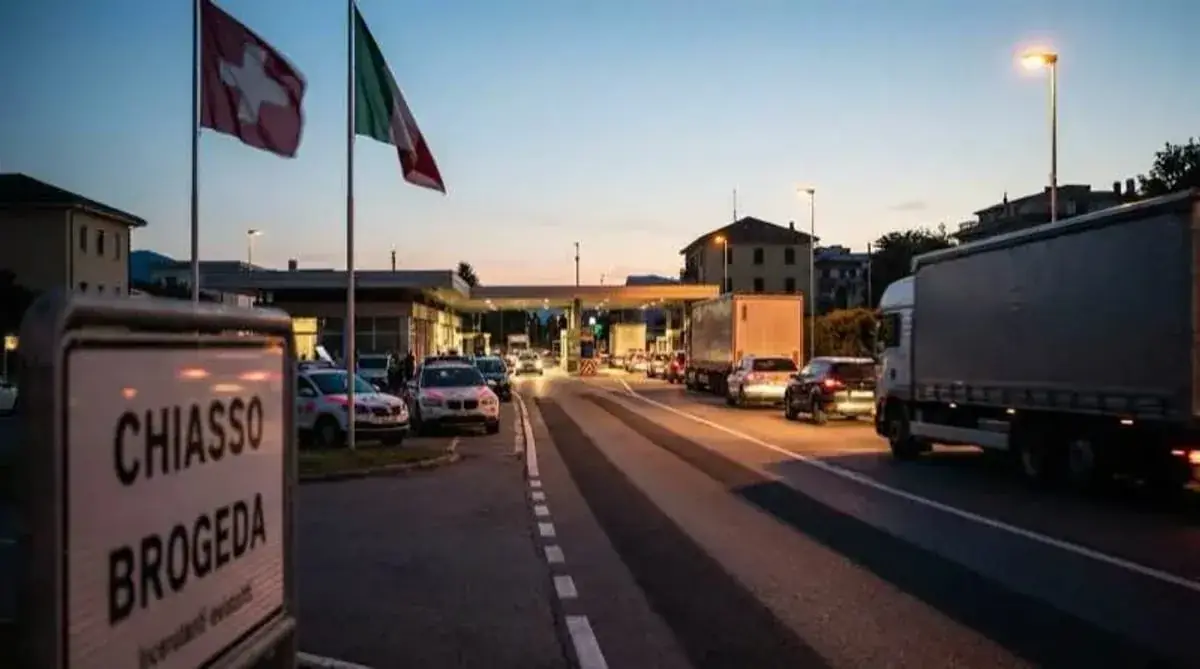
A Ticino motion to block fiscal returns is stirring politics in Lombardy. Alfieri, Mastromarino, and Augurusa criticize the move but admit: the health tax must be abolished.
Context
TL;DR
- Ticino proposes blocking fiscal returns to Italian border municipalities.
- Italy introduces 'health tax' for cross-border workers.
- Lombardy politicians call the proposal a 'wrong choice'.
- Tensions rise over fiscal decisions affecting cross-border workers.
Key facts
- Percentuale ristorni: 40%
- Data di introduzione nuovo accordo fiscale: July 17, 2023
- Tipo di imposta contestata: health tax
- Paesi coinvolti: Svizzera, Italia
- Regioni coinvolte: Ticino, Lombardia
- Data articolo: February 20, 2026
The atmosphere between Bellinzona and Rome, with its epicenter between Chiasso and Como, is growing increasingly tense. A motion presented in the Ticino Grand Council to block fiscal returns (ristorni) intended for Italian border municipalities has triggered an immediate and concerned reaction in Lombardy. This drastic proposal did not come out of nowhere. It is the Ticino political world's response to what is perceived as an unfair move by Italy: the introduction of the so-called "health tax" for cross-border workers. This new contribution, which directly affects the paychecks of workers enrolled in the Italian National Health Service, is seen in Ticino as a violation of the spirit of the new tax agreement, which only recently came into effect.
The reaction from the Italian side of the border was swift. Prominent Lombard politicians such as Senator Alessandro Alfieri, regional councilor Samuele Astuti, and the general secretary of CGIL Varese, Stefano Augurusa, while calling the Ticino proposal a "wrong choice," do not hide the Italian government's faults. Their message is clear and direct, almost an admission of guilt: the health tax is problematic and must be removed. This stance, reported by the newspaper laRegione, highlights a split in the Italian front and de facto recognizes the legitimacy of Ticino's concerns. The standoff over the ristorni, therefore, is just the tip of the iceberg of a deeper discontent, fueled by unilateral fiscal decisions that undermine mutual trust.
Operational details
The Core of the Dispute: Health Tax vs. Ristorni
To understand the scope of the clash, one must analyze the two key elements. On one hand, the ristorni: this is 40% of the withholding taxes paid in Switzerland by "new" cross-border workers (hired after July 17, 2023), which Switzerland, according to the agreement, transfers to the Italian state, which in turn distributes them to the border municipalities. These funds are vital for local administrations, financing essential services for communities that live in symbiosis with the Ticino labor market.
On the other hand, the controversial "health tax." This is a contribution to the Italian National Health Service (SSN), calculated as a percentage of the cross-border worker's net income, with a maximum cap. This tax, introduced by the Meloni government, was immediately seen as an unfair imposition, further reducing the net salary of workers already subject to taxation in Switzerland. Ticino politicians interpret it as an Italian attempt to recover tax revenue, contravening the principles of fairness in the bilateral agreement.
The position of the Lombard politicians is emblematic: 'The health tax is problematic and should be removed, but let's stop there.'
⚠️ Blocking the ristorni would be an unprecedented move, a true diplomatic "nuclear option." Although the Ticino motion currently has political value, its eventual approval would create an institutional and legal short circuit that would be difficult to resolve, jeopardizing the entire framework of the new tax agreement. The tension remains extremely high, with cross-border workers caught in the middle of a conflict played out entirely on their backs and their salaries.
Key points
What Does This Mean for Cross-Border Workers?
In the short term, blocking the ristorni would not have a direct impact on an individual worker's paycheck. The withholding tax in Switzerland would continue as planned. However, the escalation of political tension is a warning sign that no cross-border worker can ignore. A climate of conflict between Ticino and Italy could translate in the future into greater operational difficulties, stricter controls at the Brogeda or Ponte Tresa crossings, and a general deterioration of relations that could influence future negotiations on crucial topics like remote work or traffic management.
💡 The real problem today remains the health tax, which erodes purchasing power. It is crucial for every worker to carefully check their payslip to understand the exact amount of this new deduction. Political uncertainty and new tax regulations make it more necessary than ever to have full control over one's finances. Understanding how these dynamics affect one's monthly net salary is the first step towards effective financial planning.
This unstable situation makes having a clear view of your net salary even more crucial. Tax variations and new taxes can impact disposable income. To avoid surprises, it is essential to use updated tools. Try our net salary calculator to simulate the impact of these deductions and plan your finances with precision.
(Source: laRegione, February 20, 2026)
Frequently Asked Questions
- What are the causes of the escalation of political tension between Ticino and Italy?
- The main cause is the controversy over the health tax introduced by the Italian government, which Ticino politicians see as an attempt to recover tax revenue, in contravention of the principles of fairness of the bilateral agreement.
- What is the immediate impact of the 'health tax' on the net salary of cross-border workers?
- The 'health tax' reduces the net salary of cross-border workers through a contribution to the Italian NHS, calculated as a percentage of net income with a ceiling.
- What are the practical consequences of the blocking of rebates for Italian border municipalities?
- If the rebates were blocked, Italian municipalities could lose about 40% of the withholding taxes they receive from Switzerland, compromising funding for public services and local infrastructure, and increasing discontent among border communities.
Related articles
- All articles: Taxes
- Ticino: blocco ristorni in discussione per tensione con Italia
- Crisi Ristorni: Ticino contro Berna per la Tassa Salute Frontalieri
- Scontro Ticino-Italia: Sospesi i Ristorni dei Frontalieri?
- Tassa salute frontalieri: scontro tra Lombardia e Ticino
- Blocco ristorni Ticino-Italia: cosa cambia per i frontalieri