Cantonal elections in Zurich: a guide to the calendar and voting
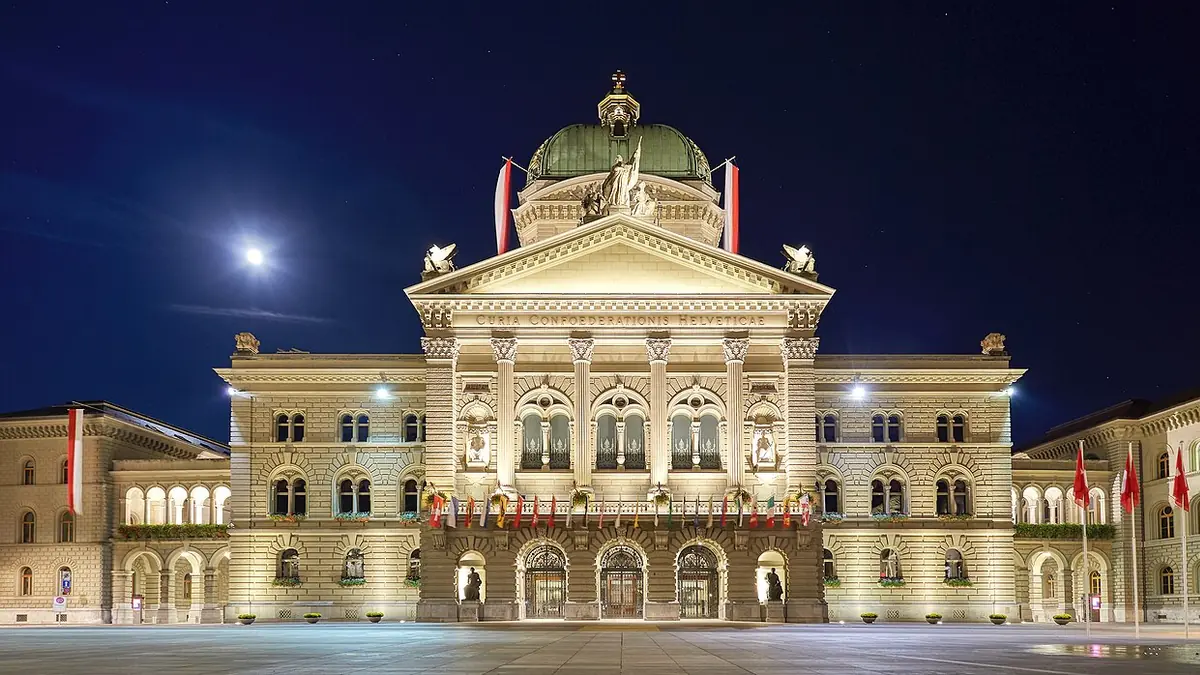
Practical guide to the cantonal elections in the Canton of Zurich: what to check regarding the election schedule, voting methods, lists, and official information.
Context
TL;DR
- Focus: cantonal elections in the Canton of Zurich
- To check: calendar, voting procedures and lists
- Official information: responsible electoral office
- Federal voting: four dates per year
Key facts
- Topic and focus → cantonal elections in the Canton of Zurich; electoral system, calendar and voting procedures
- Official information → lists and responsible electoral office
- Federal voting → 4 dates per year
- Initiative/referendum → 100'000 signatures in 18 months / 50'000 in 100 days
- Constitution → double majority of the people and the Cantons
The Canton of Zurich is the scope of this guide to cantonal elections. The approach is practical: bringing together the electoral system, calendar, voting procedures, lists and electoral office responsible for official information. These are five distinct points of reference, but they serve the same purpose: understanding the cantonal vote without replacing official guidance with rules taken from other institutional levels.
The first distinction is between cantonal and federal voting. Federal direct democracy provides for four voting dates per year. This number concerns the federal level and is not sufficient to determine the calendar for cantonal elections in the Canton of Zurich. The date, the specific procedure and the lists must therefore be checked in the information from the responsible electoral office, which is the indicated reference for official communications.
Federal rules as a comparison
Within the framework of direct democracy, a popular initiative requires 100'000 signatures in 18 months. The optional referendum, on the other hand, requires 50'000 signatures in 100 days. A constitutional amendment requires a double majority: that of the people and that of the Cantons. These are federal thresholds and rules, useful for understanding the distinction between participation instruments, but they do not replace specific information on the cantonal elections in Zurich.
The same caution is needed when voting is linked to economic issues. The Swiss tax system has three levels: direct federal tax, cantonal tax and municipal tax. Each Canton has its own law and its own multiplier; municipalities apply a multiplier to the cantonal tax. AFC/ESTV administers the IFD and IVA, while cantonal administrations handle the cantonal and municipal levels. For the practical part of the tax return, one can consult dichiarazione delle imposte, while keeping the tax procedure separate from the voting instructions.
Social responsibilities must also be understood precisely: UFAS/BSV concerns social security, including AVS/AHV, AI and LPP/BVG, and does not set taxes. UST/BFS produces statistics and does not set tax rates. A guide to cantonal voting is more useful when these responsibilities remain separate.
Operational details
The powers to weigh
A guide to cantonal elections has practical value when it helps distinguish decisions that fall under the Cantons from those that remain federal. For those who live or work in Switzerland, the difference can be seen in services, permits and certain cost-of-living items, not in a mere list of electoral slates.
On taxation, the distinction has a concrete effect: cantonal law and the multiplier are separate from direct federal tax and VAT. AFC/ESTV remains the reference for direct federal tax and VAT, while cantonal administrations handle cantonal and municipal matters. When reading a list, to avoid assigning responsibilities incorrectly, it is worth asking which level the measure under discussion belongs to.
Social assistance is generally managed by Cantons and municipalities according to need. The same territorial logic applies to motor vehicle tax, energy incentives, building permits and contributions to continuing education: the rules and offices are cantonal. Requirements, deadlines and amounts must be checked with the Canton’s official source.
The cost of living makes another boundary visible. LAMal is mandatory for residents and must be taken out within three months of arrival. It is private insurance with per-capita premiums, not a tax or a payroll contribution. Premiums depend on the Canton and region, while premium reductions are a cantonal subsidy. To put this item into context, consult costo della vita in Svizzera.
Protection also has a cantonal dimension: building insurance is mandatory or organized differently depending on the Canton. Civil protection is coordinated at cantonal level under federal law; call-ups and allowances must be checked with the competent authority.
Finally, the employment framework shows the same need to separate the levels: there is no federal minimum wage, although some Cantons have their own. Maximum working hours are 45 hours per week in industry, offices and retail, or 50 in other sectors. These facts are not the election calendar, but they help explain why a cantonal choice does not replace the federal framework.
Useful planning tools
To estimate your pension strategy, use the pension planner and the pillar 3 simulator.
Key points
An operational check avoids two errors: using a federal date for a cantonal election and attributing to an authority a responsibility that belongs to another level. The procedure can remain streamlined, provided that each step refers to the correct official information.
Five operational steps
1. Define the level. Clearly state that the search concerns the cantonal elections in the Canton of Zurich. Keep the four federal voting dates per year separate: they are information at the federal level and do not replace the cantonal calendar.
2. Find the right office. Use the electoral office responsible for official information. Check the electoral system, calendar, voting method and lists there. If a detail does not appear in the official guidance, do not fill it in with a federal rule or the practice of another canton.
3. Identify the financial jurisdiction. For taxes, separate IFD and VAT, which fall under the AFC/ESTV, from cantonal and municipal taxes handled by the cantonal administrations. When moving from voting to your tax situation, open dichiarazione delle imposte and keep personal calculation and electoral information separate.
4. Check the administrative implications. For social assistance, motor vehicle tax, energy incentives, building permits and contributions to continuing education, check the requirements, deadlines and amounts at the canton’s official source. For building insurance, civil protection, summonses and allowances, use the competent authority indicated for the case.
5. Check the personal items. If you are a resident and need to take out LAMal, the stated deadline is within three months of arrival. Remember that premiums are per capita, vary by canton or region and premium reductions are cantonal. For work, note that there is no federal minimum wage, while some cantons have their own.
This process avoids looking in the cantonal calendar for what belongs to the federal vote and reading a LAMal entry as a tax or payroll contribution. To connect the review of the rules to your budget, use calcolatore stipendio e imposte.
Frequently Asked Questions
- What elements does the cantonal election guide in the Canton of Zurich cover?
- The guide focuses on the electoral system, calendar, voting methods, lists and the electoral office responsible for official information. These elements serve to orientate the cantonal vote without confusing it with the four federal voting dates scheduled each year. For operational details, the reference remains the official information of the responsible electoral office.
- Are the four annual federal vote dates the Zurich calendar?
- No. The four dates per year indicated in the framework of direct democracy concern the federal vote. They do not allow to derive the calendar of cantonal elections in the Canton of Zurich. Date, voting methods and lists must be checked in the information of the responsible electoral office, without replacing the cantonal indications with federal rules.
- What are the thresholds for initiative and optional referendum?
- The popular initiative requires 100,000 signatures collected in 18 months. The optional referendum requires 50,000 signatures in 100 days. They are rules of federal direct democracy and should be kept separate from specific information on the calendar, lists and modalities of cantonal elections in the Canton of Zurich, to be verified at the responsible electoral office.
- What cantonal competences affect practical issues?
- Social assistance is generally administered by cantons and municipalities as needed. Vehicle tax, energy incentives, building permits and contributions to continuing education follow cantonal rules and offices. Requirements, terms and amounts must be verified at the official source of the Canton. Building insurance and civil protection also have a cantonal organisation to be checked with the competent authority.
- Is LAMal a tax or a wage contribution?
- No. LAMal is the mandatory health insurance for residents, to be taken out within three months of arrival. It is private insurance at per capita premiums, not a tax or wage contribution. Premiums vary by Canton and region, while premium reduction is a cantonal subsidy managed at the cantonal level.
Related articles
- All articles: Agreements and politics
- Elezioni cantonali nel Canton Lucerna: calendario e voto
- Elezioni cantonali Berna: guida a calendario, voto e competenze
- Giorni festivi Cantone Zurigo: guida a calendario e regole
- Voto cantonale Lucerna: guida a iniziative e referendum
- Voto cantonale a Zurigo: iniziative e referendum