Ticino climate: seasonality, temperatures and rainfall (cross-border guide)
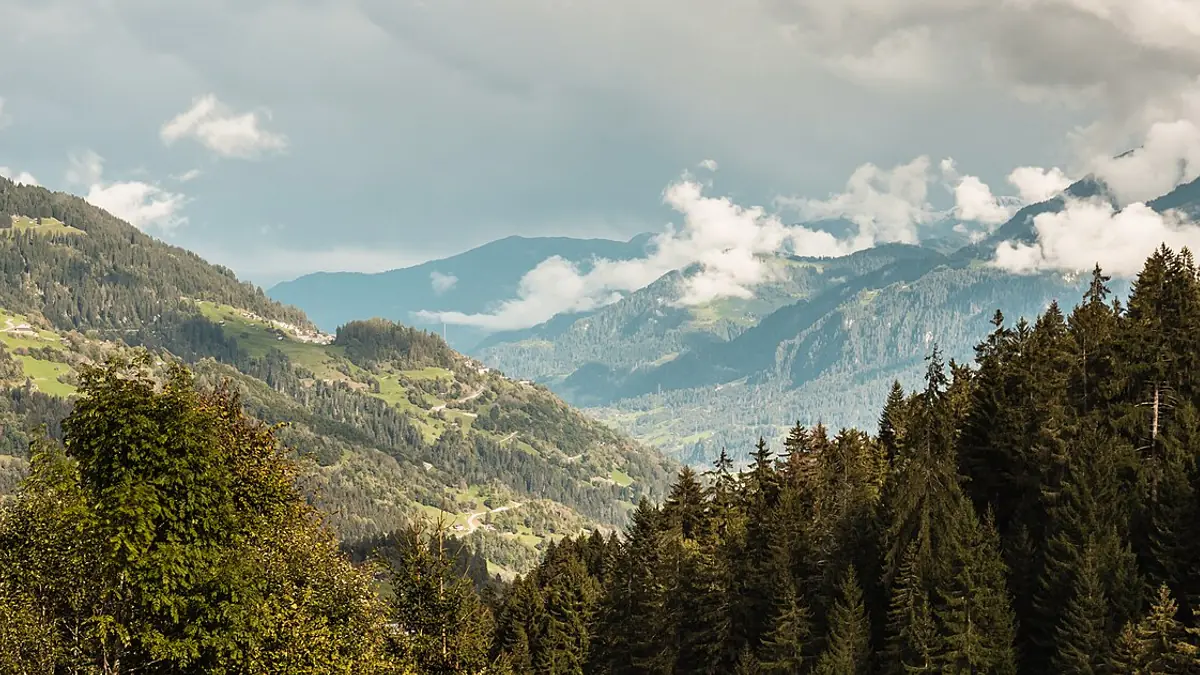
Ticino offers a temperate climate with four clearly distinguishable seasons. The average temperature in summer is about 25°C, while in winter it is about 0°C.
Context
Ticino Climate: Seasonality, Temperatures and Precipitation - A unique place for all climatic aspects
Ticino, the Swiss Mediterranean oasis, offers a temperate climate with four clearly distinguishable seasons. The average temperature in summer is about 25°C, while in winter it is around 0°C.
Seasonality
Ticino is famous for its mild climate and perfect for summer holidays, with temperatures that never fall below 20°C. During the month of July, the average temperature is around 25°C, while in August it rises to around 27°C. However, do not worry if the sky threatens rain, Ticino is also famous for its beautiful sunny and light rainy days.
Temperatures
The minimum temperature recorded in Ticino was -11°C during the month of January, while the maximum was 38°C during the month of July. The average temperature in winter is about 0°C, while in summer it rises to about 25°C. The climate in Ticino is unique for its stability and thermal stability, an ideal feature for all fans of winter and summer sports.
Precipitation
Rainfall in Ticino is evenly distributed throughout the year, with an annual average of 1,500 mm. The wettest season is autumn, while winter is generally dry. The driest month in Ticino is July, with a daily average of sunshine and sunshine.
Norms and Regulations
Ticino has a number of local regulations and
Operational details
Practical analysis
The climate of Ticino, a highly touristic and agricultural region in the southeast of Switzerland, has a significant seasonality and stable average temperatures. In summer, the average temperature is around 25°C, while in winter it does not exceed 0°C. The region is also famous for its mild and sunny climate, even during the winter months, thanks to its geographical location and the effect of the Tyrrhenian Sea.
Humidity is another fundamental aspect of the Ticino climate. The region receives an annual average of about 1500-2000 mm of precipitation, with an average altitude of 700-800 meters above sea level, which enhances its water capacity. The phenomenon of favonium, a wind that blows from the southwest and brings moisture, is also typical of the summer season and affects local vegetation and agriculture.
As far as tourism is concerned, Ticino is a popular tourist destination for its nature, traditions and gastronomy. The largest city, Lugano, offers numerous attractions, including Lake Maggiore, the old city and several works of art. Other cities such as Bellinzona and Locarno are also known for their cultural heritage and natural beauty.
As far as agriculture is concerned, Ticino is famous for the production of fine grape varieties such as Pinot Noir and Chardonnay, used in the production of fine wines. In addition, the territory is rich in woods and meadows, which are home to numerous
Recommended tools
For an updated estimate, use the net salary calculator and the CHF-EUR exchange comparator.
Key points
Ticino climate: seasonality, temperatures and rainfall
The climate of Ticino, a region of the Swiss Coast, is characterised by significant seasonality and variable temperatures and rainfall. This can result in cautious planning for patrons and investors.
Summer: The summer season is hot and sunny, with average temperatures ranging from 20°C to 25°C. It is essential to protect your skin and clothing from any sunburn or sunburn. In addition, humidity can be high, especially in the hottest hours and in the areas closest to the lake. To address this, it is important to use sunscreens with high protection factor and wear lightweight and breathable clothes.
Winter: The winter season is cold and harsh, with average temperatures ranging from 0°C to 5°C. To prepare for this season, it is important to have warm, waterproof and windproof clothing. Pointed boots are also useful for tackling snowfall.
Precipitation: Ticino is subject to heavy rainfall throughout the year, especially in winter. Almost 70% of the region experiences at least one wave of rain or snow at any time of the year. To address this, it is important to have waterproof equipment and the right snow equipment. In addition, you can use public transport or taxi in case of heavy snowfall.
Regulations: Ticino has several regulations with
Discover Ticino job offers updated daily: 4,000+ positions from Swiss companies hiring cross-border workers.
Frequently Asked Questions
- What is the average summer temperature in Ticino?
- The average summer temperature in Ticino is about 25°C.
- What is the average winter temperature in Ticino?
- The average winter temperature in Ticino is about 0°C.
- How many mm of precipitation does Ticino receive per year?
- The region receives an average of 1500-2000 mm of precipitation per year.