Initiative on neutrality rejected by the Swiss people (cross-border guide)
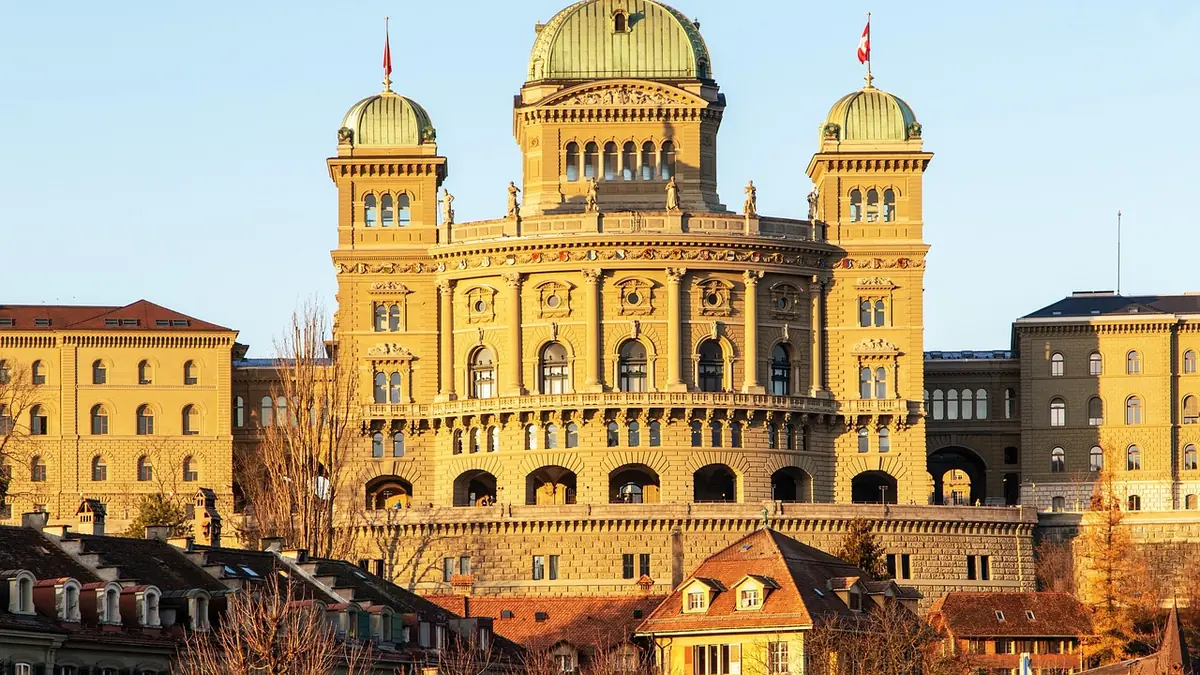
The neutrality initiative was rejected with approximately 70% voting no; it did not obtain a majority of the cantons after the count in 15 of them, while Ticino shows a slight divergence.
Context
In brief
- The neutrality initiative was rejected at the ballot box
- The proposal did not win a majority of the Cantons
- Projections indicate around 70% no
- Ticino partly diverges from the national rejection
Key facts
- Proponents → Pro Svizzera and UDC
- Outcome → rejection of the neutrality initiative
- Count → 15 Cantons
- Projection → around 70% no
- March → 61,9% no to the radio-TV licence fee at 200 francs
- June → 54,8% no to a Switzerland of 10 million
The Swiss people rejected the neutrality initiative at the ballot box today. After the count in 15 Cantons, it is certain that the text did not obtain a majority of the Cantons. Ticino partly diverged from the clear national rejection indicated by the overall result.
The proposal was supported by Pro Svizzera and UDC. This is not the first time this year that Switzerland’s main party has failed to convince citizens of its proposals. Today’s result is in fact part of the sequence of votes recalled by the source.
Projections and experts’ comments
The result is not a surprise: polls had left little room for the initiative’s proponents to hope. Projections indicate around 70% no.
“UDC failed to mobilize beyond its own base,” said political scientist Urs Bieri of the gfs.bern institute on SRF radio.
According to the expert, apart from supporters of the Swiss People’s Party, there were few or no votes in favor of the initiative. Bieri’s proposed reading therefore concerns UDC’s ability to expand support beyond its core supporters.
The source also recalls two highly significant previous votes. In March, the proposal to lower the radio-TV licence fee to 200 francs was rejected with 61,9% no. In June, the initiative against a Switzerland of 10 million received 54,8% no.
Even the strong support, especially financial, from former Federal Councillor Christoph Blocher was not enough. Bieri observed that money alone does not make it possible to win: coalitions are needed, and the issue must be perceived as urgent.
Operational details
The practical meaning of the vote
For those who live or work in Switzerland, the available material makes it possible to establish the political outcome precisely, but not a personal consequence to apply to a payslip or an administrative matter. The source does not indicate amounts, deadlines, documents or procedures for residents and workers after the initiative was rejected.
| Reading level | Usable information |
|---|---|
| National | The neutrality initiative was rejected at the polls |
| Cantonal | The proposal did not obtain a majority of the Cantons |
| Vote count | The figure refers to the count in 15 Cantons |
| Ticino | The canton partly diverges from the national rejection |
| Personal effects | They are not quantified in the source |
This distinction prevents turning an electoral percentage into an economic figure. The 70% is presented as a projection of the no votes, while the text states with certainty that the initiative failed to obtain a majority of the Cantons and was rejected at the polls. These are different pieces of information and must be kept separate.
Comparison with the other votes
The two precedents cited by the source must also remain tied to their respective proposals. The 61.9% no vote in March concerned reducing the radio-TV fee to 200 francs; the 54.8% in June concerned the initiative against a Switzerland of 10 million. The figures help put the series of defeats recalled for the UDC into perspective, but they do not form a single index of political support and do not make it possible to calculate consequences for the household budget.
The same criterion applies to Ticino. The source points to a partial divergence from the national rejection, but does not provide a cantonal percentage or describe the precise direction of the deviation. Readers approaching the matter from a cantonal perspective must therefore avoid attributing a number or an effect not reported to the Ticino vote.
To compare this political result with separate data on daily spending, costo della vita in Svizzera is available. The link serves to keep the economic figures separate from the voting percentages. Likewise, dichiarazione delle imposte cannot be updated on the basis of indications that do not appear in the source.
Useful tools to protect your net income
To reduce FX leakage, compare CHF-EUR exchange options and banks for cross-border workers.
Key points
How to correctly verify the result
The source does not indicate a form, an individual request, or a deadline to meet after the vote. The concrete procedure permitted by the material is therefore an orderly verification of the information, useful for anyone who wants to understand what is certain and what, instead, is not available.
Four steps to avoid forcing the data
1. Start with the certain outcome. The initiative on neutrality was rejected at the polls and did not obtain a majority of the Cantons after the count in 15 of them. This is the firm point of the news.
2. Separate the projection from the result described as certain. The percentage of no votes around 70% is indicated by the projections. It should not be presented as data different from what the source attributes to the ballot count already considered.
3. Keep the national level distinct from the Ticino level. Ticino partly differs from the clear national rejection, but the text does not provide a local percentage. It is therefore not possible to derive a more precise measure from the source.
4. Always verify the attribution of the comments. The assessment of the SVP's mobilization comes from political scientist Urs Bieri, of the gfs.bern institute, who spoke on SRF radio. The reference to financial support, on the other hand, concerns former Federal Councillor Christoph Blocher.
This method makes it possible to use the comparisons indicated by the source without mixing them up. The 61.9% no vote in March remains linked to the 200-franc radio-TV licence fee; the 54.8% in June remains linked to the proposal against a Switzerland of 10 million. Neither piece of data provides a procedure to follow for one's personal situation.
For those who live or work in Switzerland, the most accurate practical consequence is therefore not to attribute to the vote amounts, documents, or deadlines that have not been indicated. For a separate check of your income, use the calcolatore stipendio.
Source: laregione.ch
Frequently Asked Questions
- What was the outcome of the vote on the neutrality initiative?
- The neutrality initiative was rejected at the polls, it did not reach the majority of cantons after the stripping in 15 cantons and the projections indicate a result of no around 70%. These data are reported directly from the source, which also specifies the partial stripping and the partial divergence of Ticino with respect to the national rejection.
- Who supported the initiative and what were the previous UDC votes mentioned in the source?
- The initiative was supported by Pro Switzerland and the UDC. The source recalls two previous votes: in March the rejection of the radio-tv fee at 200 francs with 61.9% of no and in June the rejection of the initiative against a 10 million Switzerland with 54.8% of no. These results are cited to show a series of defeats of the UDC throughout the year.
- What practical consequences does the result have for residents and workers in Switzerland according to the article?
- The source specifies that the vote on the neutrality initiative does not have direct effects on payroll, documents or administrative deadlines for residents and workers. No amounts, tax procedures or changes to the cost of living are indicated; therefore the result is to be considered exclusively a political fact without immediate economic repercussions on people.
Related articles
- All articles: Agreements and politics
- Iniziativa neutralità: bocciata dal 70,2% degli elettori
- Iniziativa alimentazione: bocciata con il 72,5% di no
- Iniziativa neutralità respinta al 71%: esito delle urne in Svizzera
- Voto Svizzera: neutralità e alimentazione
- Svizzera, bocciate neutralità e sicurezza alimentare