At school only 4 days, the experiment (for now) convinces (cross-border guide)
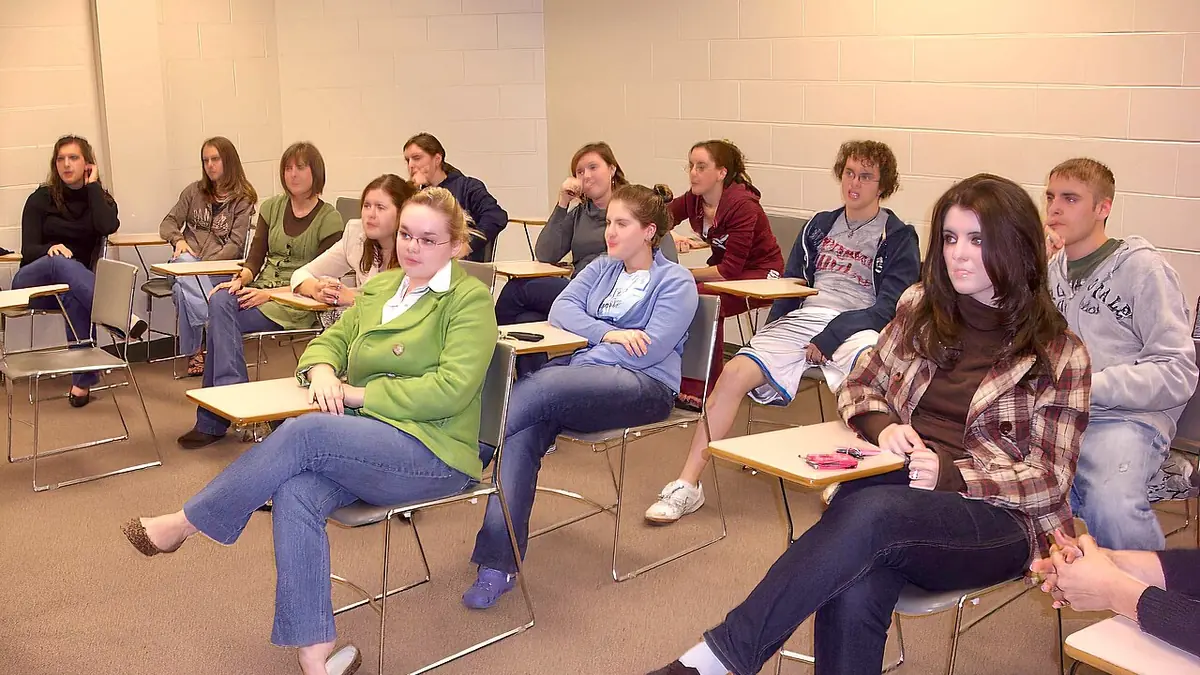
For three weeks, in Belp, in the Canton of Bern, a new pilot project has been underway with 4 days of school and 6 weeks of vacation.
Context
In a nutshell
- School experiment in Belp, Canton Bern
- 4 days of school, 6 weeks of vacation
- Parents and children enthusiastic
Key facts
- What: School experiment in Belp
- When: For three weeks
- Where: Belp, Canton Bern
- Who: 21 children and their families
- Amount: Not specified
A new pilot project has been underway for three weeks in Belp, Canton Bern. Less holiday-related stress, less attendance issues during after-school hours, and fewer trips between school, lunch, and home. For the 21 children of the Bernese school, the traditional lessons leave room for continuous supervision, even during the lunch break. Children attend school four days a week, from Monday to Thursday, instead of five but, in return, have only six weeks of vacation per year instead of thirteen.
The testimony of two mothers
"It was a good start, my daughter likes to go there," says Lisa, mother of one of the 21 children. Almost every day his daughter comes home with "a lot of experiences". And there's room for kids' ideas, too.
"She can't wait to attend the cooking class." For her daughter, in fact, one of the most pleasant moments is cooking together with the others. Since the children stay at school during the lunch break, they also help prepare the food: "She is always happy when she is assigned to the cooking group".
Longer days, but more energy.
Manuela, whose six-year-old daughter also participates
Operational details
Practical Implications
The school experiment at Belp could have significant implications for the Swiss education system. Reducing school days to four days could lead to better time management for families, reducing stress related to after-school hours and holidays. However, it is important to monitor the impact of longer days on children, especially younger ones, to ensure they do not become overly fatigued.
Comparison with the traditional model
The traditional model includes five days of school and thirteen weeks of vacation. The new experiment, on the other hand, offers four days of school and only six weeks of vacation. This change could affect the daily routine of families, allowing them to have one day off per week for activities and relaxation. However, it is necessary to assess whether the shorter holidays will be sufficient for rest and unstructured family time.
Possible scenarios
If the experiment proves positive, it could be adopted by other schools in Switzerland. This could lead to a reform of the education system, with a greater focus on the quality of daily life of children and their families. However, it is important to conduct further studies to better understand the long-term effects of this new model.
Recommended tools
For an updated estimate, use the net salary calculator and the CHF-EUR exchange comparator.
Key points
Concrete actions
If you are interested in learning more about this school experiment, you can visit the Belp school's official website for more information. In addition, you can participate in online discussions and educational forums to share your opinions and experiences with other parents and educators.
Useful tools
To deepen your understanding of the Swiss education system and its implications, you can use the calcolatore stipendio to assess how new education policies might affect your family budget. In addition, you can consult the educational guides for useful tips and resources for managing time and extracurricular activities.
Conclusion
The school experiment in Belp represents an innovative step towards a more balanced management of school time and holidays. Although it is still too early to draw definitive conclusions, the first testimonies of parents and children are promising. We will continue to monitor the development of this project and provide updates on any changes in the Swiss education system.
Source: tio.ch
Frequently Asked Questions
- What is the purpose of the school experiment in Belp?
- The goal is to reduce holiday-related stress, solve after-school attendance issues, and reduce commuting between school, lunch, and home.
- How are the reactions of parents and children?
- Parents and children are excited. Moms Lisa and Manuela reported that their children are happy and active during the day.
- What are the practical implications of this experiment?
- The experiment could lead to better time management for families and reduce stress related to after-school hours and holidays.