Public transport passes in Switzerland: costs and benefits (cross-border guide)
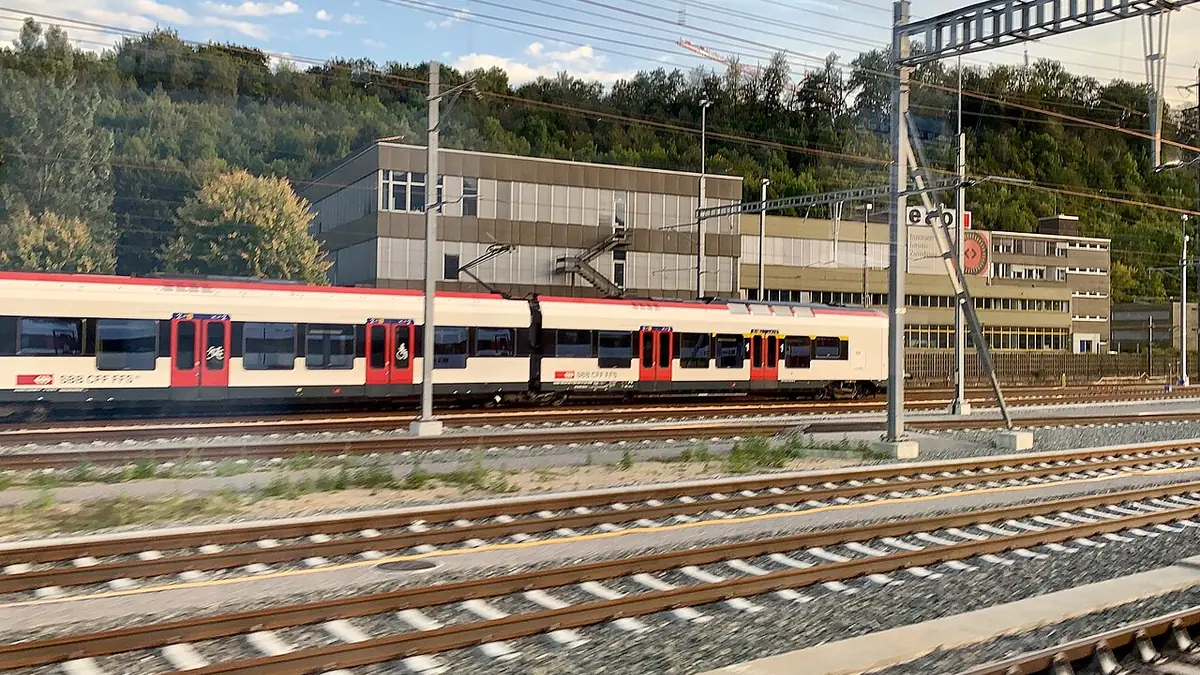
Find out details about public transport subscriptions in Switzerland, including AG, half fare, cantonal and community subscriptions.
Context
In short
- The Federal Tax Administration (AFC/ESTV) handles direct federal tax and VAT.
- The cantonal tax administrations manage the cantonal and municipal tax.
- The Federal Council has announced an increase in public transport fares starting from 1 January 2026.
Key facts
- What: Increase in public transport fares
- When: 1 January 2026
- Where: Switzerland
- Who: Federal Council
- Amount: Not yet specified
Facts from source The Federal Council has announced an increase in public transport fares from 1 January 2026. This increase will apply to all public transport in Switzerland, including trains, buses and urban transport lines. The Federal Council stated that this increase is necessary to ensure the financial sustainability of the public transport system.
Details on fare increases The Federal Council has announced that the increase in public transport fares will apply from 1 January 2026. This increase will apply to all public transport in Switzerland, including trains, buses and urban transport lines. The Federal Council stated that this increase is necessary to ensure the financial sustainability of the public transport system. The increase in public transport fares will apply to all cantons in Switzerland, including the cantons of However, according to estimates, the increase in public transport fares could have an impact of around 100 million Swiss francs per year on Switzerland's economy.
Consequences
The increase in public transport fares will have significant consequences on the economy of Switzerland. Here are some of the possible consequences: - Impact on public transport demand: Rising public transport fares could have an impact on public transport demand, particularly for people on low incomes. - Impact on the local economy: Increasing public transport fares could have an impact on the local economy, particularly for small and medium-sized enterprises. - Impact on environmental sustainability: Increasing public transport fares could have an impact on environmental sustainability, particularly if people opt for private transport.
Conclusions
The increase in public transport fares will be applied from 1 January 2026. This increase will apply to all cantons in Switzerland, including the cantons of Zurich, Bern, Lausanne and Geneva. The increase in public transport fares will have a significant impact on Switzerland's economy and could have consequences on public transport demand, the local economy and environmental sustainability.
Operational details
Public transport passes in Switzerland: costs and benefits
The increase in public transport fares will have a significant impact on Swiss citizens who regularly use public transport. Many of them will have to adapt to new rates and payment methods. In addition, the increase in fares could affect the choice to use public transport compared to the use of private means of transport.
The current situation
Currently, public transport ticket prices in Switzerland are among the highest in Europe. For example, a single ticket for a 2-hour train journey between Zurich and Bern costs CHF 67.40. This means that a Swiss citizen who regularly uses public transport to get to work could pay up to CHF 1,000 per month for tickets.
# Public transport price reform
In 2022, the Swiss government announced a reform of public transport prices. According to the reform, public transport ticket prices will increase by 10% by 2024. This means that a single ticket for a 2-hour train journey between Zurich and Bern will cost CHF 73.84.
The benefits of monthly tickets
Monthly public transport tickets can be a cheaper option for Swiss citizens who regularly use public transport. For example, a monthly ticket for a 2-hour train journey between Zurich and Bern costs
Useful tools to protect your net income
To reduce FX leakage, compare CHF-EUR exchange options and banks for cross-border workers.
Key points
Public transport passes in Switzerland: costs and benefits
To adapt to the increase in public transport fares, Swiss citizens can consider buying season tickets or long-term tickets. In addition, they can try to reduce public transport expenses by using alternative means of transport or by better planning their trips.
Membership Fees
The cost of public transport passes in Switzerland varies by canton and city. For example, in Zurich, a monthly subscription for the entire public transport network currently costs CHF 86.60. In Bern, the price of a monthly subscription for the entire network is CHF 84.60. In Geneva, the price of a monthly subscription for the entire network is CHF 93.40.
Membership Benefits
Public transport passes offer several benefits. Firstly, they allow you to save money compared to buying single tickets. Second, they offer more flexibility in planning trips. In addition, subscriptions can be purchased for a longer period of time, which can be useful for those who work or study in a city other than their hometown.
Concrete examples
A concrete example of how subscriptions can be useful is the following: if a worker from Zurich works in Bern and returns home every evening, a monthly subscription for the entire public transport network in Zurich and Bern
First day as a cross-border worker? Our practical guide walks you from cantonal registration to your first paycheck.
Frequently Asked Questions
- What are the benefits of public transport passes in Switzerland?
- Public transport passes in Switzerland offer significant discounts on the price of public transport tickets.
- What types of public transport passes are available in Switzerland?
- Several types of public transport subscriptions are available in Switzerland, including AG, half fare, cantonal and community subscriptions.
- How do I buy a public transport pass in Switzerland?
- To buy a public transport ticket in Switzerland, you can contact the local public transport companies or their official websites.
Related articles
- All articles: Transport and traffic
- Abbonamenti trasporti pubblici Canton Lucerna zone e tariffe
- Abbonamenti trasporti pubblici nel Cantone di Friburgo
- Abbonamenti trasporti pubblici Canton Obvaldo: zone e tariffe
- Abbonamenti trasporti pubblici nel Cantone Glarona
- Abbonamenti trasporti pubblici Canton Zugo zone e tariffe