Nursery and childcare in the Canton of Vaud: costs and subsidies (cross-border guide)
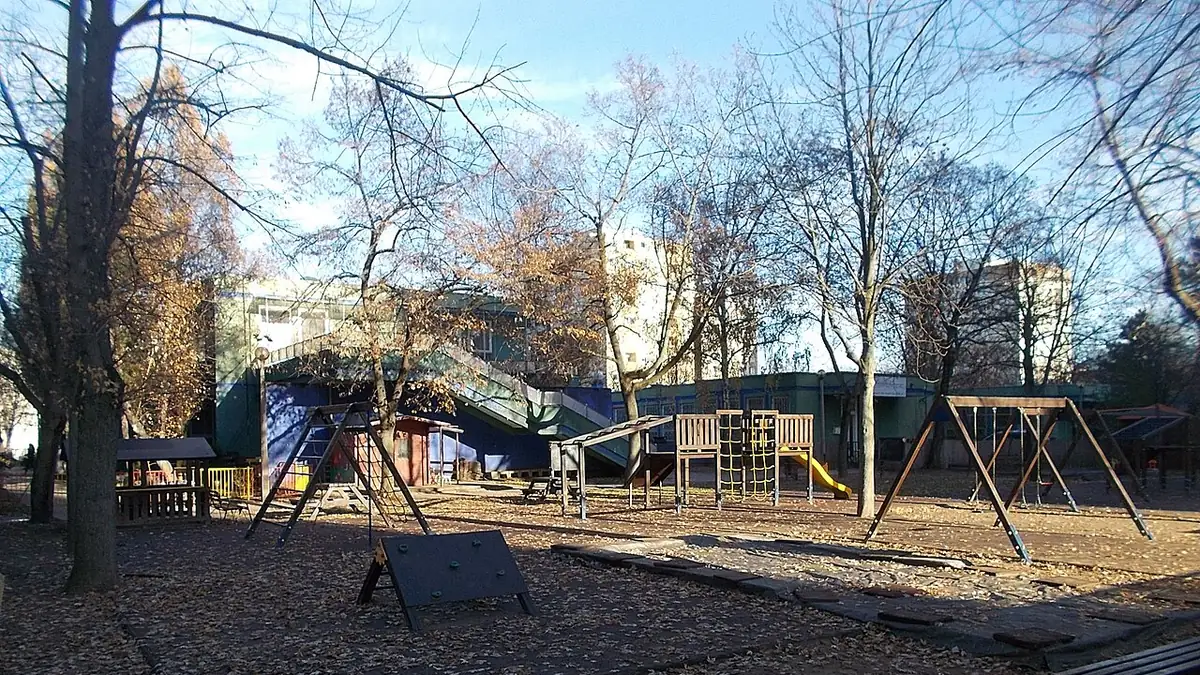
How custody works in the Canton of Vaud: kindergartens, day families, after-school with progressive income rates and available cantonal subsidies.
Context
In brief
- Childcare in the Canton of Vaud: daycare centers, day families, after-school care with income-based fees
- Cantonal subsidies available for low- to middle-income families
- Cantonal responsibility: each canton manages pre-school education and extracurricular services
- Access procedures to subsidies: income documentation and annual application
Key facts
- What: Childcare systems (daycare centers, day families, after-school care)
- Where: Canton of Vaud, Switzerland
- Who: Cantonal and municipal administrations, public and private providers
- Fees: Calculated on a progressive scale based on taxable income
- Subsidies: Available at the cantonal level for economic eligibility
In the Canton of Vaud, as in all of Switzerland, childcare and pre-school education are primarily cantonal responsibilities. The Swiss system provides a variety of models: daycare centers (full-time professional facilities), accredited day families (care provided by educators), and after-school care (for school-age children). This variety allows families to choose solutions suited to their context, although the available options and costs vary significantly from canton to canton and between municipalities.
A distinctive feature of Switzerland is the progressive approach to childcare fees: most cantons, including Vaud, apply pricing scales calculated on the family's income. This means that a family with a higher taxable income pays a higher fee compared to a family with a lower income, following principles of economic progressivity. In addition to fees, cantons offer public subsidies to reduce the financial burden on low- to middle-income families. These subsidies are important socio-economic policy tools: they facilitate access to education, support work-family balance, and promote equity in the quality of care.
…
Operational details
How do progressive fee scales work?
In the Swiss childcare system, progressive fees do not follow a single national model: each canton, and sometimes each municipality, applies its own criteria. The underlying principle remains constant: the family contributes according to its economic capacity. A higher taxable income results in a higher monthly cost; a lower income results in a reduced fee or sometimes a symbolic minimum rate.
Factors influencing the cost of childcare include the number of children in care (often the fee for the second child is reduced), the hours of use (full-time, part-time, specific days), the age of the child (the ranges 0-2 years and 2-4 years often have different fees), and the type of facility (public vs. private daycare, accredited family daycare, after-school care). In the canton of Vaud, as in other progressive cantons, municipal administrations have calculation tools—sometimes digital—that allow families to simulate the monthly fee once income, number of children, and details of the desired care are entered. This transparency is useful for family economic planning.
Variability between facilities and municipalities
Not all families have access to the same services. In urban municipalities of Vaud, the availability of places in public daycare centers is often higher than in rural municipalities. Municipal public facilities tend to apply lower fees compared to private services, thanks to public co-financing. A family that does not find a place in a public daycare center may have to resort to a private facility, with significantly higher costs.
…
Key points
How to access childcare subsidies
In the Canton of Vaud, as in many other Swiss cantons, access to childcare subsidies is subject to clear eligibility criteria, although specific to each municipality. Subsidies are generally reserved for low- to middle-income families (defined by taxable income thresholds per household), working or studying parents (to encourage participation in the labor market), and stable residents of the canton (Swiss citizens, holders of a residence permit, or equivalent situations). Some cantons extend subsidies to parents engaged in job search or training activities, recognizing that childcare is a prerequisite for economic participation.
Access Procedure: Main Steps
The access path to subsidies generally follows these steps: first, contact the municipality of residence — the social affairs or education office provides information on available subsidies, income thresholds, and required documents. Second, gather documentation, which generally includes income tax returns (copy of federal or cantonal declaration), employment documentation (employer certificate, employment contract), household composition (cohabitation certificate), and proof of childcare (contract with daycare, family daycare, after-school care).
Third, submit the application within the deadlines specified by the municipality — often annual — by submitting the complete file. Fourth, the municipal administration verifies eligibility and calculates the subsidy amount based on income and agreed rates. Fifth, if approved, the subsidy is paid monthly or at a defined frequency (monthly, quarterly, annually).
…
Frequently Asked Questions
- In the Canton of Vaud, do public nurseries always have rates calculated on income?
- Yes, cantonal practice provides progressive rates based on taxable income. However, the calculation methods and thresholds vary between municipalities. It is important to check directly with the local municipal administration, as some municipalities may apply specific variants such as minimum rates, ceilings or different family coefficients. Contact the education office of your municipality for precise details.
- What documents are needed to apply for a custody allowance in the Vaud?
- Generally: federal and cantonal tax return for the last 12 months, work documentation (employer's certificate, contract), certificate of cohabitation or marital status, and a copy of the contract stipulated with the custodial structure (kindergarten, daytime family, after-school). Each municipality may require variants or additional documents. It is advisable to contact the municipal office for a complete checklist before submitting the application.
- Can I get after-school benefits in the Canton of Vaud?
- Many Vaudian municipalities offer after-school subsidies, following the same income principles used for kindergartens and day families. However, the amount of the allowance is often lower than that provided for full-time custody, as the after-school covers fewer hours per week. Check with your municipality for specific availability, eligibility criteria and expected grant amounts.
- If my income changes during the year, is the allowance recalculated?
- Generally no: the subsidy is calculated only once a year on the basis of the income documentation submitted, usually referring to the previous tax year. However, significant changes in income — such as sudden unemployment, job change, or reduced hourly availability — may warrant an early review. It is advisable to report such changes to the municipality promptly to assess whether they qualify for a grant adjustment.
- Is there an income limit beyond which subsidies cannot be accessed?
- Yes, each canton and municipality sets maximum income eligibility thresholds. In the Canton of Vaud, the thresholds vary between municipalities but generally concern low-medium taxable income. Beyond the established threshold, the family unit is not entitled to the subsidy and pays the full fee. Consult your municipality's specific guidelines to determine if your household income falls within the current eligibility range.