Made in Europe: Switzerland seeks place in EU procurement
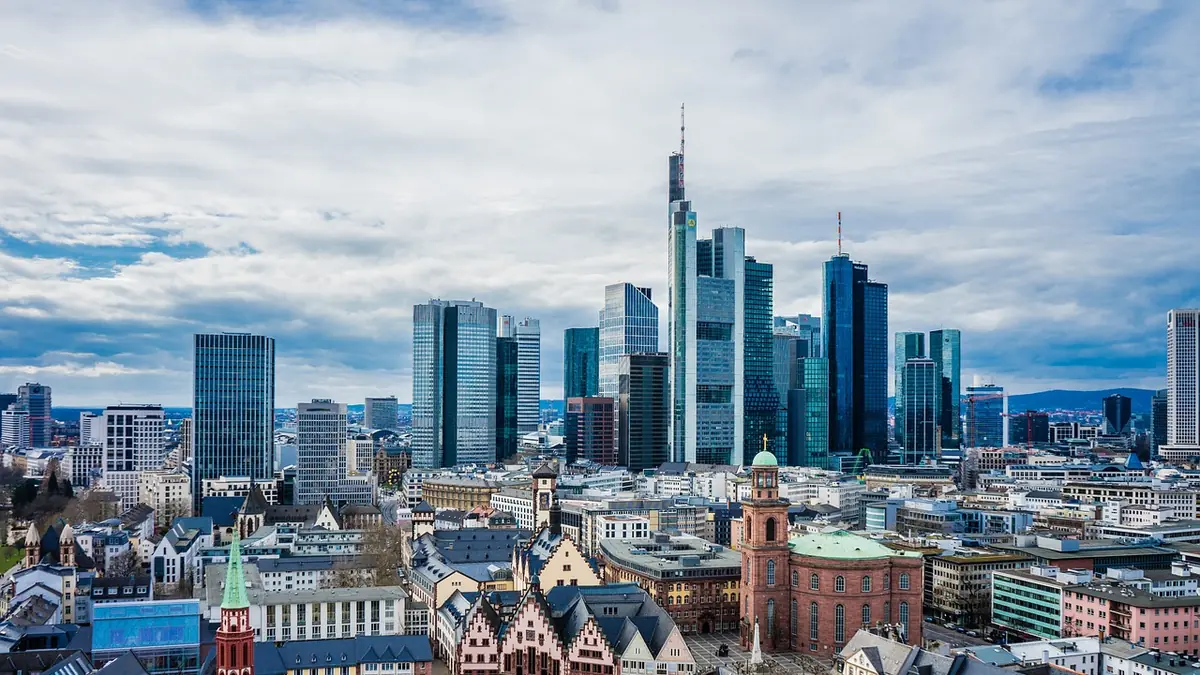
On 24 September 2026 in Brussels, the inclusion of Switzerland in the EU industrial acceleration law was discussed, with Germany in favour and France against.
Context
In brief
- Germany opens to Switzerland in the «Made in Europe» initiative
- France wants public funds only for EU industry
- Poland still considers Swiss inclusion open
- The issue is discussed in Brussels on 24 September 2026
Key facts
- What: industrial acceleration law
- Objective: «European preference» in public procurement
- Germany: «Made with Europe» approach
- France: public funds for industries of the 27 EU Member States
- Poland: possible different criterion per sector
- Spain: initial group of the 27 EU Member States
On 24 September 2026 in Brussels, the possibility of including Switzerland was discussed in the European debate on the future «Made in Europe» initiative. German Economy Minister Katherina Reiche asked to include trade partners such as Switzerland; French Industry Minister Sébastien Martin argued instead that public funds should go only to industries of the EU Member States.
The discussion took place as the two ministers arrived at the Competitiveness Council, a meeting attended by the competent ministers of the 27 EU Member States. On the table was strengthening European industry. The concept of «Made in Europe» falls under the industrial acceleration law proposed by the European Commission in spring.
European preference in procurement
The proposal aims to introduce a «European preference» in public procurement for certain industrial sectors. The still controversial point is the definition of «European»: it remains to be established whether and to what extent third countries such as Switzerland can fall under this setting.
Reiche spoke of «Made with Europe» and indicated production in Europe together with trade partners, citing Norway, Switzerland and Canada. Martin replied that in «Made in Europe» there is «Europe», referring to the 27 EU States. He clarified that the proposal does not foresee tariffs and that the priority is an agreement among the 27; Switzerland, he added, does not sit in the Council.
Poland and Spain also left various possibilities open. Polish Secretary of State for the Economy Michal Baranowski said it is too early to decide whether Switzerland will be included, pointing to the involvement of key partners and different rules for product categories, provided they are simple. Spanish Industry Minister Jordi Hereu first indicated the group of the 27, then a possible enlarged group with the EEA States and consolidated partners, among which Switzerland could be included. A third group would comprise countries with free‑trade agreements or other specific accords.
Swiss economic associations and the Confederation are closely following the negotiations. In early September, a high‑level economic delegation travelled to Brussels.
Operational details
...
Useful tools to protect your net income
To reduce FX leakage, compare CHF-EUR exchange options and banks for cross-border workers.
Key points
translated text
For a precise net salary calculation, use our tax comparator: compare take-home pay between G and B permits with all 2026 deductions.
Source: tio.ch
Frequently Asked Questions
- What is the aim of the EU Industrial Acceleration Law discussed in Brussels?
- The aim is to introduce a "European preference" in public procurement in certain industrial sectors, without imposing duties, as stated by French Minister Sébastien Martin. The proposal aims to favour European industries in state purchases.
- What are the positions of Germany, France, Poland and Spain regarding the inclusion of Switzerland?
- The German Katherina Reiche proposes "Made with Europe", including partners such as Switzerland, Norway and Canada. France's Sébastien Martin wants public funds only for the 27 EU states. The Polish Michal Baranowski opens up to different rules for each sector, as long as they are simple. The Spaniard Jordi Hereu suggests expanded groups that could include Switzerland.
- What are the Swiss economic associations and the Confederation doing to follow up on the dossier?
- They closely monitor the negotiations in Brussels; at the beginning of September a high-level economic delegation went to Brussels. They follow which position will end up in the Industrial Acceleration Act, as Switzerland's inclusion remains controversial and no final decision has been made.