AVS Graubünden: Pension Fund and Supplemental Benefits (cross-border guide)
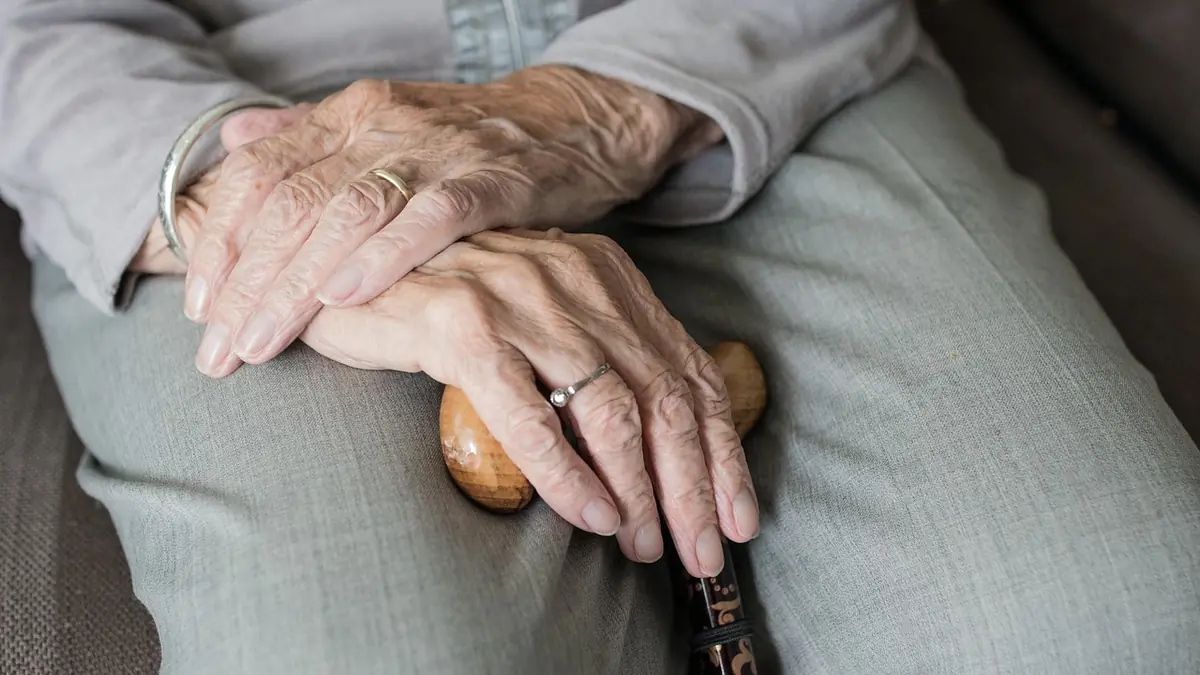
In the canton of Graubünden, the compensation office links AHV calculations, contribution gaps and supplementary benefits for the minimum subsistence.
Context
At a Glance
- The cantonal compensation fund operates under the first pillar in Graubünden.
- The AHV calculation must be considered in conjunction with any contribution gaps.
- Supplementary benefits cover the minimum subsistence level.
Key Facts
- Scope → First Pillar
- Territory → Canton of Graubünden
- Reference → Cantonal compensation fund
- Checks → AVS pension calculation and contribution gaps
- Support → Supplementary benefits to cover the minimum subsistence level
The Starting Point
In the Canton of Graubünden, the analysis of the first pillar begins with the cantonal compensation fund. The process combines three elements: the calculation of the AVS pension, the identification of any contribution gaps, and the assessment of supplemental benefits when the minimum subsistence level is not covered.
The logic is practical. A pension cannot be assessed by looking solely at the final amount: first, one must understand which AHV calculation is being examined and whether there are any gaps in the contribution history. Contribution gaps are therefore a crucial step in the review process, not an issue to be overlooked. If the financial situation remains below the subsistence minimum, supplemental benefits come into play.
Who Does What
To avoid directing questions to the wrong agency, it’s important to distinguish between the different levels. The cantonal compensation office serves as the point of contact for this process in the canton of Graubünden. The Federal Social Insurance Office (UFAS/BSV), on the other hand, is part of the social security system and oversees the AVS, AI, and BVG; it does not levy taxes. The BVG is therefore part of the Swiss pension framework, but the focus here remains on the first pillar and should not be confused with the AVS calculation.
The acronym also helps: AVS/AHV refers to the first-pillar pension. The UST/BFS plays a statistical role, while the AFC/ESTV handles direct federal tax and VAT. These responsibilities do not replace the need to check with the cantonal fund.
For those who live or work in Switzerland, the question goes beyond the name of the agency. The advantage of this approach is that it distinguishes between the benefit being calculated, contribution continuity, and any support intended to ensure a minimum standard of living. These are three related but not interchangeable questions. For a coordinated overview of the AVS and LPP, refer to guida AVS e LPP.
Operational details
Three Separate Perspectives
The results become easier to understand if each item addresses a different question. In Graubünden’s first pillar, the practical comparison can be organized as follows:
| Item | Practical Question | What It Clarifies |
|---|---|---|
| AVS/AHV | Which pension calculation are you looking at? | Your status in the first pillar |
| Contribution gaps | Are there periods in your contribution history that need to be verified? | A possible issue to discuss with your pension fund |
| Supplementary Benefits | Does the total amount meet the minimum subsistence level? | The need to review coverage |
Before the review, these three issues may appear to be a single problem: a person views their retirement benefits as a single overall figure. Once they are separated, the question becomes more concrete. The AHV calculation concerns the pension; contribution gaps concern the continuity of the contributions taken into account; supplemental benefits concern coverage of the minimum subsistence level. These three are not synonymous and should not be treated as if they were.
The Family Budget
The minimum subsistence level is not assessed in a vacuum. For those living in Switzerland, the cost of living is the daily variable used to gauge the sustainability of income, but it does not replace a review of one’s AVS status. The LAMal/KVG must also be kept separate: it is mandatory health insurance for residents, with per-capita premiums; it is not a tax, nor is it an employer contribution. Including this item in the budget analysis helps avoid confusing insurance expenses with pension contributions.
The same caution applies in tax matters. Direct federal tax and VAT fall under the jurisdiction of the AFC/ESTV, while the UFAS/BSV deals with social security and does not levy taxes. If the question concerns an AVS pension or a contribution gap, looking for an answer within the tax framework is a red herring; if it concerns a tax, the question is of a different nature.
Before and After the Review
The useful comparison is not between isolated figures, but between two practical situations. First, the reader faces an open-ended issue: they do not know whether the problem lies in the calculation, a gap in contributions, or coverage of the minimum cost of living. Afterward, they have a roadmap to present to the cantonal pension fund. This roadmap helps avoid confusing the first pillar with the LPP/BVG and allows for an accurate assessment of the cost of living using the correct categories. To explore the day-to-day implications in greater depth, the costo della vita in Svizzera is available.
Useful planning tools
To estimate your pension strategy, use the pension planner and the pillar 3 simulator.
Key points
Practical Procedure in the Canton of Graubünden
Four Steps
Anyone needing to navigate the first pillar can follow a simple process without mixing different agencies and topics.
1. Define the scope of your inquiry. Specify that your inquiry concerns the AVS/AHV in the Canton of Graubünden and the cantonal compensation fund, not direct federal income tax, VAT, or the LAMal/KVG. This prevents confusion between pension, tax, and health insurance matters. 2. Request the calculation. Ask the fund to review the calculation of the AVS pension. The goal is to establish a clear baseline before discussing the rest of the pension picture. 3. Check for gaps. Verify whether there are any contribution gaps in your record and keep this separate from the pension amount. If an issue arises, submit it to the same fund as part of the process for the first pillar. 4. Examine the subsistence minimum. If your pension income does not cover the subsistence minimum, consider supplemental benefits as the specific area to explore further. Do not confuse them with the LPP/BVG or the LAMal/KVG: they are distinct components of the social security framework and your financial picture.
The advantage of this approach is that you have a well-documented inquiry before seeking an answer. A note listing the three headings—AVS calculation, contribution gaps, and supplementary benefits—helps prevent jumping directly to conclusions about the numbers. The review of the first pillar must remain grounded in your own situation and in comparison with the cantonal pension fund, not in a standard value.
Final Checks
Before concluding the review, re-examine the results through three filters. First: Does the answer actually pertain to the first pillar? Second: Have the gaps been addressed, or merely mentioned? Third: Has the issue of the minimum subsistence level been addressed through supplemental benefits, without confusing it with tax, statistics, or health insurance? These are methodological checks; they do not replace the guidance provided by the relevant agency.
To complete the analysis of disposable income and relate it to daily life, use the calcolatore stipendio.
Frequently Asked Questions
- What is the role of the cantonal compensation office in Graubünden?
- In the first pillar of the canton of Graubünden, the cantonal compensation office is the reference point for examining the calculation of the AHV pension and any contribution gaps. The topic of supplementary benefits completes the review when it comes to considering the coverage of the minimum subsistence. It should not be confused with the activity of the FTA/ESTV, which concerns direct federal tax and VAT.
- What should be checked for contribution gaps?
- Contribution gaps are the point to be checked in the continuity of the path considered for the AHV pension. Their verification should be linked to the calculation of one's position with the cantonal compensation office, without replacing it with a standard estimate. The topic remains distinct from supplementary benefits: these concern the coverage of the minimum subsistence and must be examined as a specific chapter of the first pillar.
- When are supplementary benefits considered?
- Supplementary benefits come into play when the question is to cover the minimum subsistence level. They are therefore a chapter to be evaluated alongside the calculation of the AHV pension, not a synonym for the pension itself. To find your way around the canton of Graubünden, the path indicated starts from the cantonal compensation office and also keeps contribution gaps separate.
- Do AHV, BVG and KVG cover the same type of benefit?
- AHV/AHV concerns the first pillar. BVG/BVG belongs to the social security framework, but this guide focuses on AHV calculations, contribution gaps and supplementary benefits in Graubünden. KVG, on the other hand, is compulsory health insurance for residents, with per capita premiums: it is not a tax or a wage contribution.