Greens call for Secretary of State for climate (cross-border guide)
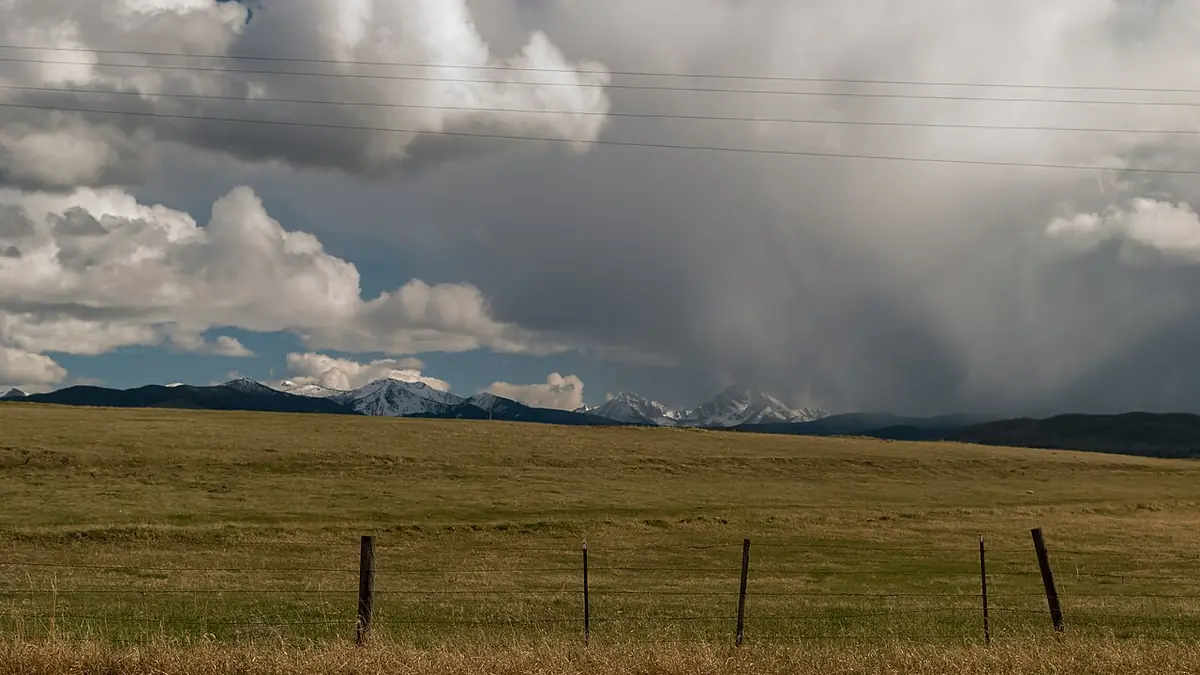
The Swiss Greens are calling for a Secretariat of State for Climate Protection and Exit from Fossil Energies. Rösti admitted: Switzerland will not meet the 2030 climate goals.
Context
In a nutshell
- The Swiss Greens call for the creation of a Secretariat of State for Climate Protection
- Federal Councillor Albert Rösti has admitted that Switzerland will not meet the 2030 climate targets
- The hot summer has endangered vulnerable people and caused water shortages
- The request is also supported by green-liberals, centrists and socialists
Key facts
- What: Creation of the Secretariat of State for climate protection and exit from fossil fuels
- Who: Green Party, president Lisa Mazzone (Geneva); national councillor Marionna Schlatter (Zurich); Greta Gysin (parliamentary group president)
- When: Announced during the hot summer that affected Switzerland
- Problem: Rösti admitted failure to achieve 2030 climate goals
- Economic impact: 8 billion francs per year go abroad for fossil fuels
- Consequences: suffocating heat in cities, water shortages, loss of crops, biodiversity risks
During a summer marked by scorching heat and water shortages, the Swiss Green Party launched an official request to the Federal Council: the creation of a Secretariat of State dedicated to climate protection. Lisa Mazzone, president of the Greens, presented the proposal at a press conference, highlighting how the wave of heatwave has endangered the most vulnerable people and caused the loss of numerous crops, with repercussions on the costo della vita e dei prezzi alimentari of families
Operational details
Switzerland among the countries most affected by the climate crisis
Switzerland is in a particular position with respect to the global climate crisis. Like island states, the country suffers disproportionate effects and must exploit every international platform to obtain binding climate measures. However, according to Mazzone, Switzerland's international credibility depends on its ability to solve climate problems at home. Without concrete action at the national level, Swiss calls for international climate agreements lose steam. Greta Gysin, chair of the Greens' parliamentary group, stressed that risks are not theoretical future scenarios, but current realities that will manifest themselves with increasing frequency and intensity in the years to come.
Real risks to health, the food economy and biodiversity
Heatwaves and drought pose real threats to many aspects of Swiss life. From a health point of view, the suffocating heat in the cities puts the most vulnerable people (the elderly, the chronically ill, children) at immediate risk. Effects on salute durante le ondate di calore include heat stroke, dehydration, and complications for those suffering from chronic diseases. On the economic and food front, water shortages and extreme temperatures cause the loss of crops, with direct repercussions on supermarket food prices and the family budget. The crisis also affects
Useful tools to protect your net income
To reduce FX leakage, compare CHF-EUR exchange options and banks for cross-border workers.
Key points
Next Steps: Parliamentary Debate in Autumn
The Greens intend to take advantage of the autumn parliamentary session to launch a topical debate on heatwaves and drought. The request is not limited to the ecological party: it is also supported by the Liberals, the Centrists, and the Socialists, which increases the chances that the Parliament will take it seriously. If the Federal Council continues to postpone concrete actions, it will be the Parliament that will have to take responsibility for climate protection, as Greta Gysin has stated. This shift in focus - from the Executive to the Legislative - could accelerate the adoption of more ambitious climate policies.
How a State Secretary would change Swiss climate policy
The establishment of a State Secretary dedicated to climate protection would have significant implications. Unlike Departments, a State Secretary has less autonomy, but can act as a transverse coordinator and vehicle for direct government priorities. A State Secretary for climate protection would have the explicit mandate to guide every federal decision towards exiting fossil fuels and reducing emissions. This means that policies on transport, energy, agriculture, construction, and industry would be evaluated not only on immediate economic basis, but also on climate impact. Exiting fossil fuels would also have economic repercussions: the CHF 8 billion annually spent abroad for energy imports would remain in Switzerland, financing sectors such as renewable energies, building efficiency, and clean technologies.
…
Frequently Asked Questions
- What difference does creating a Secretariat of State for Climate make compared to the current governance?
- A Secretary of State would have an explicit mandate to direct ALL federal policy decisions toward moving away from fossil fuels. According to the Greens, this would give climate a cross-cutting priority that is currently lacking, coordinating policies on transport, energy, construction and industry. A Secretariat can act as a direct vehicle for the priorities of the Federal Executive.
- What does' getting out of fossil fuels' mean for an average Swiss resident?
- It means transitioning to renewable energy sources (solar, wind, hydro) and reducing dependence on oil, natural gas and coal. For residents, this could translate into public incentives to clean up buildings, install solar panels, switch to alternative heating, and in the long run, lower energy costs and stable bills no longer exposed to international oil fluctuations.
- When could this Secretariat of State for Climate be established?
- The source does not specify a precise timing. The Greens announced their intention to organise a topical debate during the autumn parliamentary session (2026). If Parliament accepts the request, the time of establishment would depend on federal procedures and a possible decision of the Federal Council. It is a process that requires political discussion and consensus.
- What is the economic impact of fossil fuels imported into Switzerland?
- According to the source, every year 8 billion francs ends up abroad for fossil fuels. This sum fuels climate crisis and wars globally. The resources could instead be used for internal climate adaptation, to incentivise renewable energy, building efficiency and clean technologies, while maintaining added value in Switzerland.
- How does the Buildings Program help both climate and heat protection?
- Renovating buildings improves thermal insulation: in winter it maintains internal heat (less heating = less emissions), in summer it repels external heat (protection from heat without massive air conditioning). Replacing fossil plants with renewable sources reduces CO2 emissions. A single investment in rehabilitation produces double climate and housing benefits.