Nursery: gaps in controls on minors (cross-border guide)
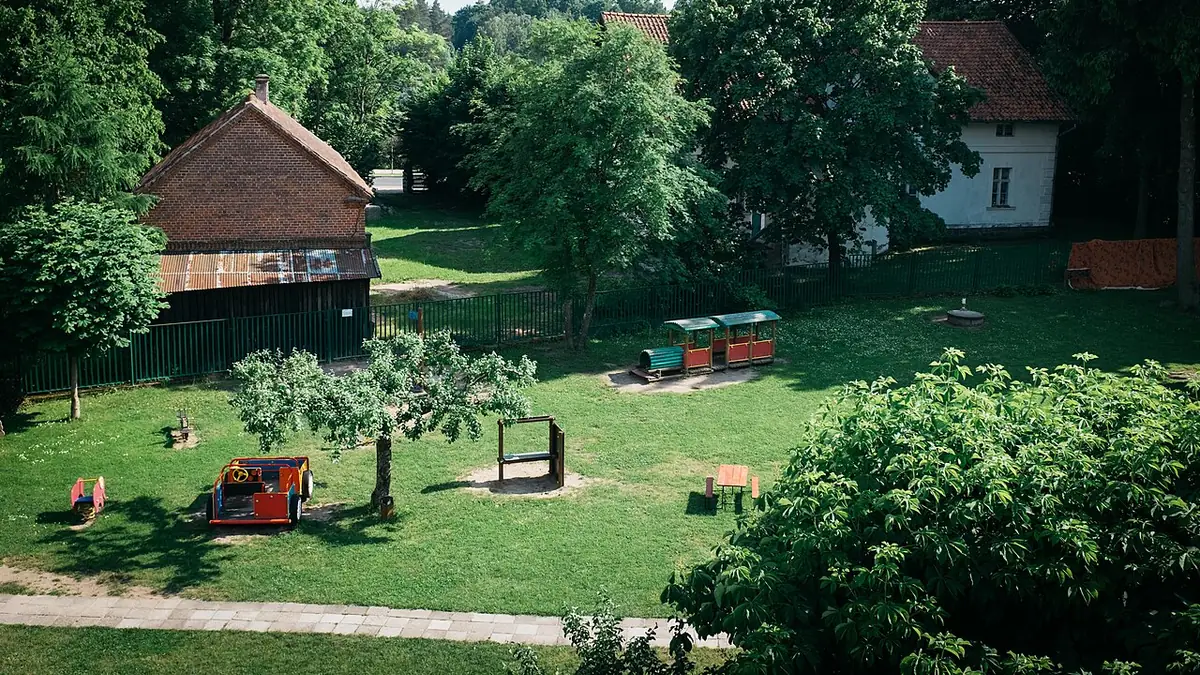
An educator reported for child pornography worked in a kindergarten for two years. How and why institutional controls failed in Switzerland.
Context
In brief
- A kindergarten educator reported in 2024 for pedopornographic interests
- Continued to work undisturbed until arrest in July 2026
- Criminal record remained clean, no ban on contact with minors
Key facts
- What: Report of online pedopornographic interests not followed by preventive actions
- When: January 2024 (report); June 2026 (critical episode); July 2026 (arrest)
- Where: Kindergarten in Saint-Sulpice (Canton Vaud)
- Who: An educator, Federal Police, Public Prosecutor's Office of North Vaud, parents
- Origin of report: National Center for Missing and Exploited Children
- Initial outcome: No prosecution by the Public Prosecutor
In January 2024, the National Center for Missing and Exploited Children reported to the Federal Police the online activities of a kindergarten educator in Saint-Sulpice (VD), which showed clear pedopornographic interests. The report was forwarded to the Public Prosecutor's Office of North Vaud, which however issued a no prosecution decision with a surprising justification: it was considered the "first complaint" and it was probably the case that the man "was not aware of acting illegally."
This decision had a critical consequence: the educator's criminal record remained clean. No criminal proceedings meant no ban on working with minors. And so, for two years, the man continued to operate in the public kindergarten without any restrictions.
…
Operational details
The Fragmented Chain of Responsibility
In Switzerland, the control of criminal records for operators of childcare facilities is a grey area shared between several institutional levels. The Federal Police manages coordination with international bodies such as the National Center for Missing and Exploited Children. The Public Prosecutor's Office of the cantons is responsible for deciding whether to initiate criminal proceedings. The Cantons administer the authorities that grant permits to childcare facilities and formally check the records at the time of recruitment. Municipalities directly manage public kindergartens.
In the case of Saint-Sulpice, each of these entities acted within its scope, without the information passing laterally. This is not an isolated case: the Swiss system of child protection is based on compartmentalization between federal, cantonal and municipal competences, without robust mechanisms for sharing reports external to official criminal proceedings.
### Failure in horizontal communication
The National Center for Missing and Exploited Children report came to the Federal Police in January 2024. The Public Prosecutor's Office has notified the Public Prosecutor's Office of northern Vodese. But that's where it all stopped. The Public Prosecutor's Office, deciding not to proceed, did not communicate the fact to either the Canton or the Municipality of Saint-Sulpice.
There is currently no mandatory mechanism that
Useful tools to protect your net income
To reduce FX leakage, compare CHF-EUR exchange options and banks for cross-border workers.
Key points
Requesting a blacklist: what it would mean
About sixty parliamentarians, following the case of Saint-Sulpice and others like it, asked Bern to create a blacklist (or more properly, a centralized list of reports) of childcare facility operators reported for inappropriate behavior. This would not necessarily mean automatically excluding a person from work — but it would create a central mechanism of tracking and communication between institutions.
Such a list would allow you to:
- Cantons and municipalities to check with an official instrument if a candidate has been reported in the past (even without conviction)
- Cantonal authorities to obtain information beyond the borders of the official criminal record
- International institutions to record risk signals even when they do not follow concluded criminal proceedings
- Facilities to make a more conscious assessment at the time of hiring
In the case of the Saint-Sulpice educator, such a system would have had to transfer the 2024 report from the Public Prosecutor's Office to the Canton, and from there to the Municipality. The decision to keep him on duty, or to subject him to surveillance, would have been a conscious choice — not the result of a lack of information.
# ## What to do concretely as a parent
If you are a parent of a child in a public or private kindergarten in Switzerland, you can already take action today:
Prior check : Ask
Discover Ticino job offers updated daily: 4,000+ positions from Swiss companies hiring cross-border workers.
Source: tio.ch
Frequently Asked Questions
- What is the National Center for Missing and Exploited Children?
- It is an international organization that collects and reports information about child pornography interests online. In the case of the Saint-Sulpice educator, he detected suspicious activity on the network and reported the profile to the Swiss Federal Police in January 2024. These reports are an important first step, but in Switzerland they do not always lead to immediate preventive actions.
- What does' no place to proceed 'mean?
- It is a decision of the Public Prosecutor's Office not to initiate formal criminal proceedings. In the case, the MP considered that it was the “first complaint” and that the man was “probably not aware of acting illegally”. The consequence is that the criminal record remains clean and no ban on working with minors is imposed.
- My son reported strange behavior by an educator. What should I do?
- Immediately contact the facility management in writing, documenting what your child has reported. Report the fact to the local authorities (Cantonal/Municipal Police) and to the municipal office responsible for children. Do not wait for clarification from management — the authorities must be informed promptly in order to verify. In the case of Saint-Sulpice, the parents contacted the management, but the escalation to the Carabinieri took place only after months.
- Does the Canton really check educators' criminal records?
- Yes, the Canton checks the criminal records at the time of authorisation of the facility and periodically. However, this check is limited to criminal proceedings concluded and registered in the official record. It does not include unfinished reports (such as the 2024 National Center for Missing and Exploited Children) or situations still under evaluation. It is a significant gap that MPs are trying to close with a centralised list.
- Could a centralized blacklist prevent these abuses?
- A centralized list does not prevent abuse, but it could limit the damage. It would have transferred the 2024 report from the Public Prosecutor's Office to the Canton and the Municipality, allowing them to make informed decisions (surveillance, restrictions, or early termination of the relationship). In Saint-Sulpice's case, such a system would have at least informed parents of the risk.