Buying a house in Canton Solothurn: prices and mortgage (cross-border guide)
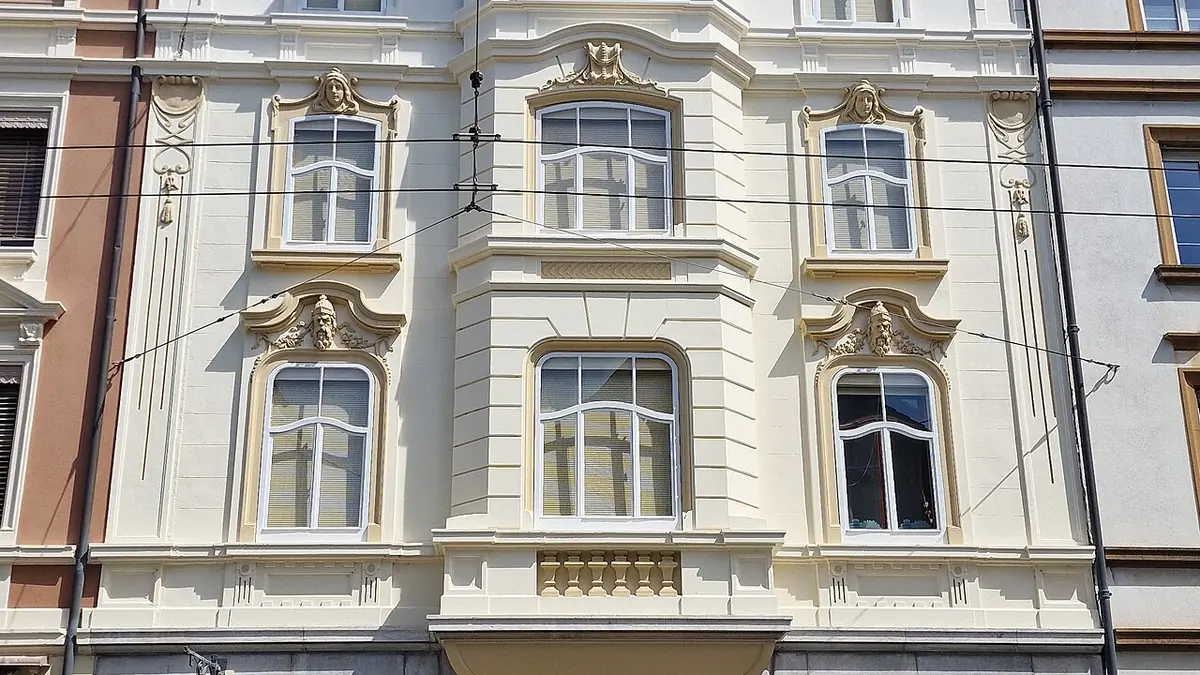
Buying a home in the Canton of Solothurn requires careful financial planning. Learn how mortgage, equity, transfer tax, and notary fees work.
Context
In a nutshell
- The purchase of a house is regulated by federal and cantonal regulations with a notarial procedure
- Mortgage loan and own funds (20-30%) are essential for financing
- Transfer tax and notary fees represent significant additional costs
- The sustainability of the mortgage is assessed by the banks according to conservative standards
Key facts
- What: Real estate purchase in the Canton of Solothurn with federal and cantonal procedure
- Where: Canton Solothurn, Switzerland, with registration in the cantonal land register
- Who: Buyer, bank, notary, cantonal financial administration
- Own funds: Typically 20-30% of the purchase price
- Costs: Transfer tax (varies per canton), notary fees 0.5-1.5%, municipal taxes
- Procedure: Offer → Mortgage application Banking → appraisal → Notary → Registration
Buying a home in the Canton of Solothurn requires careful financial planning and an understanding of different legal and tax aspects. In the Swiss real estate market, the procedure involves multiple actors: from the credit institution that provides the mortgage loan, to the notary that authenticates the transfer of ownership, to the cantonal authorities that collect the transfer tax. Switzerland is organized on three levels of taxation — federal, cantonal and municipal — and each applies its own rules on real estate. The main elements to be planned are the mortgage loan (main instrument of
Operational details
Transfer tax and notary fees: additional costs
Transfer tax (also known as real estate transfer tax, depending on cantonal terminology) is a cantonal tax applied to the transfer of real estate property between private individuals. It varies significantly from canton to canton: some cantons apply rates between 1% and 3% of the value of the sale, others reach 4-5%. In Canton Solothurn, as in other Swiss cantons, this tax is calculated on the basis of the purchase price or cadastral value, according to local regulations. It is essential to contact the Cantonal Administration of Finance of the Canton of Solothurn (or the competent tax office) to obtain precise and up-to-date figures, as the rates may vary and are sometimes differentiated according to the relationship between the parties (spouse, direct descendants, third parties). The municipalities of Soletta may also apply additional local sales taxes.
Notary fees are the fees due to the notary for the drafting, authentication and registration of the deed of sale with the land register. In Switzerland, notaries are regulated at cantonal level, which means that notary fees vary from canton to canton and sometimes even between municipalities. Generally, notary fees range from 0.5% to 1.5% of the purchase price, although this estimate must be verified directly with the competent notary in your
Recommended tools
For an updated estimate, use the net salary calculator and the CHF-EUR exchange comparator.
Key points
Step-by-step procedure for buying a house in Solothurn
Step 1 — Bank Prequalification: Before you begin your active search, consult a bank or mortgage broker for a free prequalification. You will bring your last year's pay slip, your bank statement (demonstrating your available equity), and your tax declaration (federal IFD form, cantonal declaration from the canton of Solothurn or canton of residence). The bank will communicate the maximum mortgage amount you can obtain and the estimated monthly installments based on current SNB/SNB rates and your personal circumstances.
Step 2 — Search and Offer: Once you have identified the property, negotiate the price with the seller or real estate agent. Sign a binding offer (in some cantons called "promise to sell" or "offer to purchase"), which specifies the price, conditions and deadlines.
Step 3 — Formal mortgage application: Submit the official mortgage application to the bank, attaching the appraisal of the chosen property. The bank orders a professional appraisal to ensure that the value of the property adequately covers the loan (typically at least 80% of the appraisal value).
Phase 4 — Involvement of the notary: Once the mortgage has been approved, the notary draws up the deed of sale (or "sales contract"). It is at this stage that the transfer tax and notary fees are calculated and paid. The notary registers the transfer in the land registry of the Canton of Solothurn and manages the payments to the seller and the tax authorities.
…
Frequently Asked Questions
- How is transfer tax calculated in the canton of Solothurn?
- Transfer tax is a cantonal tax levied on the transfer of real estate. The rate and tax base vary according to local cantonal regulations. In the canton of Solothurn, as in the other Swiss cantons, the tax is typically calculated on the purchase price or cadastral value. The relationship between the parties (spouse, descendants, third parties) may affect the applicable rate. Please contact the Solothurn Cantonal Finance Administration for accurate and up-to-date figures for your municipality.
- What is the minimum capital requirement for a mortgage loan in Switzerland?
- Swiss banks typically require equity of between 20% and 30% of the purchase price. However, some banks may accept lower percentages (10-15%) in specific cases, or require higher percentages for high-risk profiles. The exact percentage depends on your financial situation, employment stability, mortgage amount, and bank credit policy. A higher proportion of equity reduces banking risk and allows you to negotiate more favorable interest rates.
- How do banks assess the affordability of the mortgage loan?
- Swiss banks apply conservative rules: the monthly payment must typically not exceed 33% of the gross monthly income. In the calculation, banks consider net income (after deductions from AHV/AHV, LPP/BVG, unemployment insurance, KVG), job stability, and other verified sources of income. In addition, the valuation includes annual real estate taxes, estimated maintenance costs and a stress test of SNB/SNB rate hikes to ensure sustainability even in a higher interest rate environment.
- What are notary fees and how are they calculated?
- Notary fees are the notary's fees for drafting and authenticating the deed of sale. Regulated at cantonal level, the tariffs vary from canton to canton. They generally range between 0.5% and 1.5% of the purchase price. In addition, there are land registration fees and any minor administrative fees. Ask for a written quote from the notary before proceeding to understand the exact amount in your case.
- Can I deduct mortgage interest from my tax return?
- Yes, in many Swiss cantons, mortgage interest is deductible from taxable income in the tax return (federal and/or cantonal IFD). However, the rules vary slightly from canton to canton, and some regions have narrowed deductions in recent years. Check with your tax advisor or directly with the Cantonal Finance Administration of the Canton of Solothurn to fully understand the tax deductions applicable to your specific case.
Related articles
- All articles: Housing and rent
- Comprare casa Appenzello Esterno: guida al mutuo ipotecario
- Comprare casa a Zugo: mutuo e fiscalità
- Comprare casa nel Cantone di Soletta: prezzi, fondi propri, mutuo ipotecario, imposta sui trapassi e spese notarili
- Comprare casa Sciaffusa: prezzi, mutuo, tassazione
- Comprare casa nel Cantone di Svitto: prezzi e mutuo ipotecario