Buying a house in Zug: mortgage and taxation
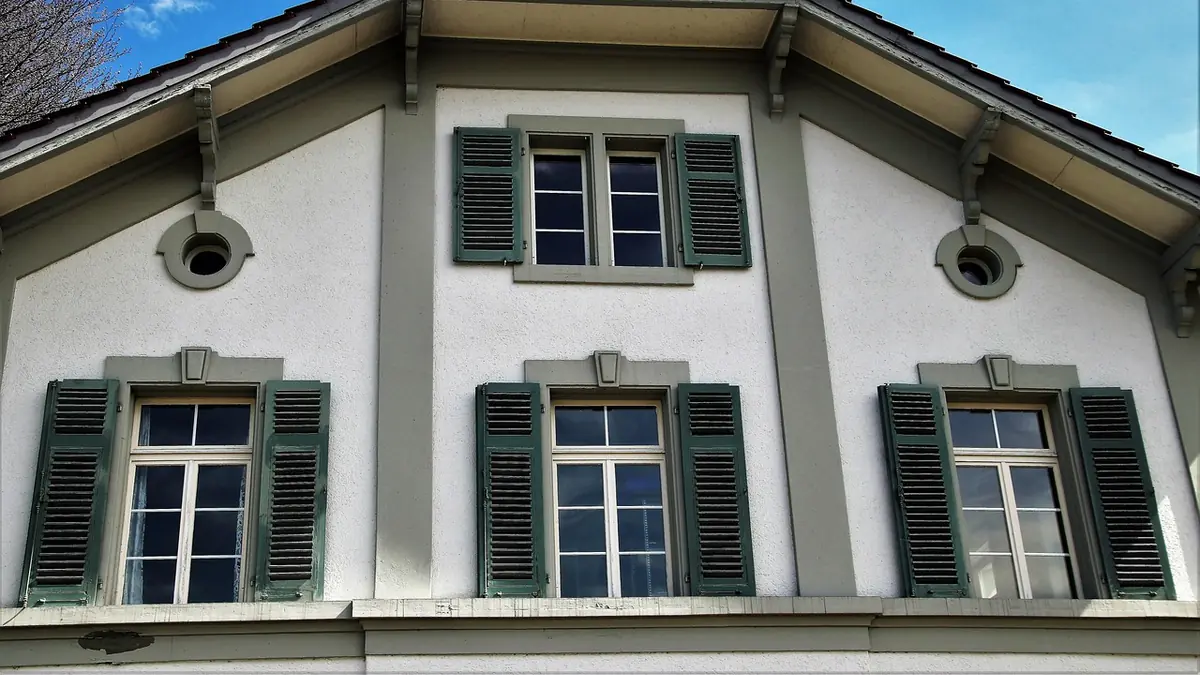
Complete guide to buying a house in the Canton of Zug: own funds required, mortgage loan, transfer tax and notary fees in Switzerland.
Context
In brief
- Mortgage up to 80% of value: minimum 20% own funds (some institutions accept 10%)
- Mortgage interest deductible from federal, cantonal and municipal taxes
- Transfer tax and notary fees vary by canton (check with notary)
- Affordability calculated based on repayment capacity and annual mortgage/income ratio
Key facts
- What: Purchase of a home with mortgage assessment, own funds, tax deductibility
- When: Process running in parallel with property search, viewing and negotiation
- Where: Canton of Zug, Switzerland
- Who: Resident buyer, bank/mortgage lender, cantonal notary
- Amount: Deductibility of interest up to 100% from federal, cantonal and municipal taxes
In the Canton of Zug, purchasing a home requires careful consideration of the mortgage, the own funds required, cantonal taxation and notary fees. Financial planning is crucial to ensure the long-term affordability of the real estate investment.
The Swiss mortgage system comprises three fundamental elements. First, financing: a bank typically finances up to 80% of the property's value, requiring minimum own funds of 20% from the buyer. Some mortgage lenders may accept 10% with additional conditions (higher interest rates, supplementary insurance). Second, the interest rate: it may be fixed (guaranteed for the entire period) or variable (adjusted to market rates). Third, the mortgage term: usually between 15 and 30 years; the longer the term, the lower the monthly payment but the greater the total amount of interest.
Swiss taxation operates at three distinct levels: federal, cantonal and municipal. Direct federal tax is established by Bern and applies throughout Switzerland. Cantonal tax is set by the Canton of Zug with its own rates and rules. Municipal tax is calculated using a multiplier applied to the cantonal taxable income; each municipality in the canton has its own multiplier.
Tax deductibility of mortgage interest
A significant advantage of a mortgage in Switzerland is the deductibility of interest paid. At the federal level, interest on a mortgage for a private property (primary residence) is deductible from the taxable income subject to direct federal tax. At the cantonal level, the Canton of Zug allows mortgage interest to be deducted from the cantonal taxable base. Consequently, municipalities also benefit from the reduction in taxable income. This tax deduction reduces the total tax due throughout all the years of the mortgage term, representing significant savings for buyers. Deductibility is not automatic: it must be declared in the annual income tax return using the cantonal form. The deductible amount is equal to the interest actually paid in the previous year.
Operational details
Mortgage affordability
Before a bank approves a mortgage, it assesses the buyer's financial affordability. The standard Swiss method applies the rule of thumb of «5 times the annual gross salary»: a family with an annual gross salary of CHF 120.000 could theoretically obtain a maximum mortgage of CHF 600.000. However, each mortgage institution adds its own assessments.
The bank examines three concrete factors. First, monthly repayment capacity: net salary minus all fixed expenses (current rent if a tenant, utilities, insurance, food, transport). A common threshold is that the new mortgage payment should not exceed 35% of the monthly gross salary. Second, the property's value as collateral: the bank conducts a technical appraisal to ensure that the actual value is sufficient to secure the mortgage. Third, credit history: the bank checks with credit information agencies whether the buyer has any defaults or payment problems.
Equity and its financial importance
Equity represents the initial capital that the buyer invests in the property. 20% is the minimum required by most Swiss mortgage institutions, but some banks may accept 10% with additional conditions (higher interest rates, supplementary mortgage insurance). Increasing equity brings concrete benefits: it reduces the amount of the mortgage required, lowers the monthly payment, improves the LTV (loan-to-value) ratio, and typically allows access to better interest rates. Equity can come from personal savings, inheritances, family gifts, or withdrawals from the third pillar (3a) in certain circumstances provided for by the Federal Act on Occupational Retirement, Survivors' and Disability Pension Plans. Most banks request documentation showing the origin of the equity (bank statements, deed of gift, inheritance certificate) to verify its legality and traceability.
Transfer tax and notarial fees
Transfer tax is a cantonal tax on the transfer of real estate ownership, applied to the property's value at the time of transfer. In Switzerland, each canton has different regulations: some cantons do not apply it, while others apply variable rates. The Canton of Zug has its own specific rules, which vary depending on the relationship between buyer and seller. This tax must be included in the total purchase budget and is among the tax deductions to be declared in the cantonal tax return.
Notarial fees represent the notary's fee for authenticating the purchase agreement, managing the transfer of funds, and registering the new property with the cantonal Land Registry (cadastre). These costs vary by canton according to the fee schedules of local professional associations. They must be added to the total budget (together with the transfer tax, cadastral registration fees, and any bank fees) for a realistic estimate of the total purchase cost.
Useful tools for your case
To practically check your scenario within/beyond 20 km, use the calcolatore stipendio netto and guida dichiarazione redditi.
Key points
Step-by-step procedure for buying a home in Zug
The purchase process follows a logical sequence from the search to the transfer of ownership.
Phase 1: Financial preparation. Assess your total available budget (own funds you have set aside). Contact several Swiss banks or mortgage institutions to obtain an indicative pre-approval for a mortgage based on your salary and assets. The pre-approval is not binding, but it gives you a clear idea of what property price range you are able to finance. During this phase, simulate different scenarios with calcolatore mutuo ipotecario to understand the impact of the monthly payment on your budget.
Phase 2: Property search and evaluation. Once you know your budget, start looking for properties in the Canton of Zug. Before signing any preliminary agreement, it is advisable to have an independent technical assessment of the property carried out by a registered expert. This assessment ensures that the price is consistent with the actual condition of the building.
Phase 3: Negotiation and preliminary agreement. Once the price has been agreed with the seller, the parties sign a preliminary agreement (promise to purchase and sell), generally with the assistance of a real estate agent. The preliminary agreement binds both parties and sets the date of the final signing (usually 2-4 months later) and the essential conditions (price, handover date).
Phase 4: Application for final financing. Once the preliminary agreement has been signed, the bank requests the complete documentation for the property (floor plans, assessments, cadastral documents). It issues the official confirmation of the mortgage disbursement with the final interest rates. If the bank rejects the application, the preliminary agreement may lapse (depending on the clauses).
Phase 5: Cadastral registration and final expenses. The cantonal notary of Zug draws up the final deed of sale, handles payment of the transfer tax (if due), and submits the transfer of ownership to the Land Registry for registration. At the same time, the bank disburses the mortgage into the notary's account, who makes it available to the seller.
Phase 6: Handover of the property and start of the mortgage. Once registered in the cadastre, the property is officially yours. The bank begins withdrawing the monthly payment from your current account according to the agreed amortization schedule. Keep the mortgage documentation and account statements for future tax returns (deductibility of interest).
Support tools and next steps
To simplify the assessment, Frontaliere Ticino provides calcolatori specifici, which allow you to simulate monthly payments, total interest paid, and the impact of tax deductibility over time. It is useful to consult lista di banche svizzere to compare interest rates and mortgage conditions among different institutions.
To verify the current transfer tax rates and specific notarial fees, contact the cantonal notary of Zug or the Notaries' Association of the canton. These figures vary over time and for each situation. Simulate the financial sustainability of your purchase: calcola il tuo mutuo ipotecario.
Frequently Asked Questions
- What is the minimum percentage of equity to buy a house in Switzerland?
- In Switzerland there is no minimum federal own funds requirement, but banks typically require at least 20% of the property's value. Some mortgage institutions can accept 10% with specific conditions (higher interest rates, supplementary insurance). Own funds can come from personal savings, inheritance, family gifts, or withdrawals from the third pillar (3a) in certain cases. Check with your chosen bank for specific conditions.
- Can mortgage interest be deducted from taxes?
- Yes, interest paid on a mortgage loan for a private property (first home) is deductible at the federal and cantonal level. The deductibility varies by canton: the Canton of Zug allows the deduction from the cantonal (and consequently also municipal) tax base. In the calculation of the annual tax return, interest directly reduces the taxable amount. Consult the tax administration of your municipality for specific reporting methods.
- What are trespass tax and notary fees?
- The transfer tax is a cantonal tax on the transfer of real estate property, calculated on the value of the property on transfer. In Switzerland each canton has different rules: some cantons do not apply it, others apply variable rates. Notary fees are the notary's fee for authenticating the contract of sale and registering the property with the Cantonal Land Registry: they typically vary according to local rates. Both costs must be included in the total purchase budget.
- How do you calculate whether a mortgage is sustainable?
- The Swiss standard method applies the rule of “5 times the gross annual salary” as the recommended ceiling. A currency bank: (a) Monthly repayment capacity (net salary minus fixed expenses); (b) Value of the property as collateral (technical expertise); (c) Credit history (verification at the risk centre). A household with a gross salary of CHF 120,000 per year could in theory apply for a mortgage of up to CHF 600,000, but each bank assesses the specific case.
- What are the next steps after finding a home in Zug?
- The main steps are: (1) Have an independent technical assessment of the property performed; (2) Contact Swiss banks for pre-approval of the mortgage; (3) Sign the compromise (promise to buy and sell); (4) Request final financing; (5) Trust the cantonal notary for the final deed, transfer tax and notary fees; (6) Register the property with the cantonal land register. Once registered, the mortgage begins and the property is officially yours.