Buying a home in the Canton of Graubünden: prices and mortgage loans
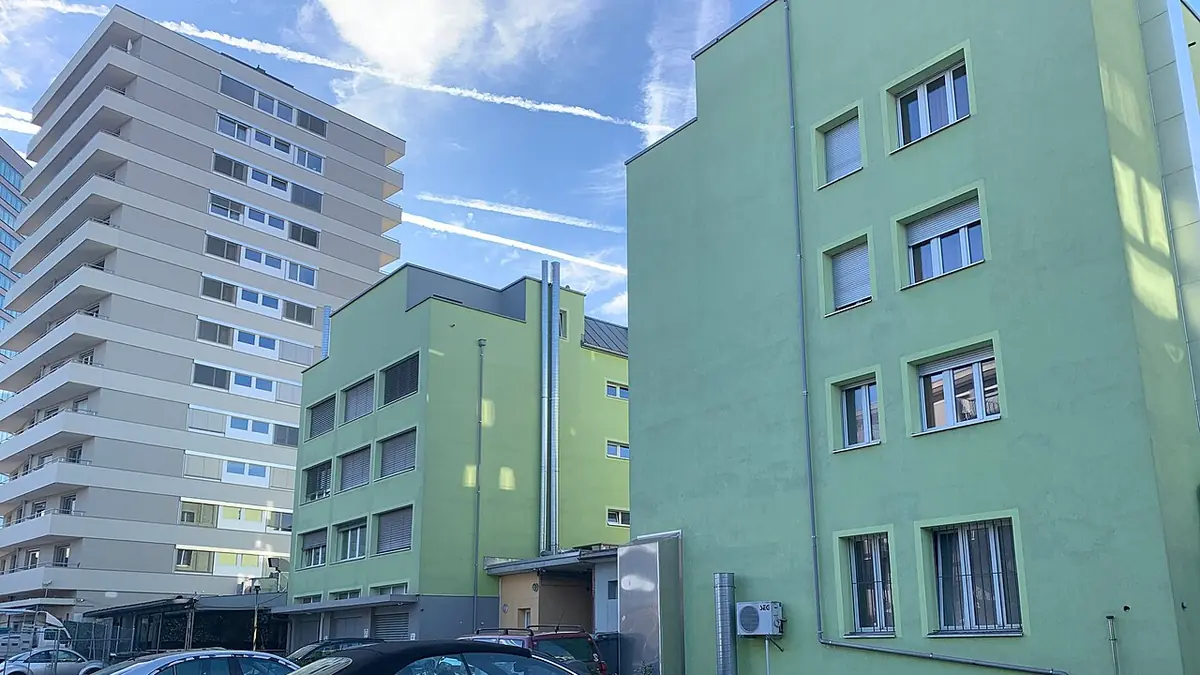
Buying guide in Graubünden: price, own funds, mortgage affordability, transfer tax, notarial fees and taxation at three levels.
Context
In brief
- Price, own funds and affordability guide the mortgage
- Transfer tax and notarial fees are separate items
- Swiss taxation operates at three levels
Key facts
- Subject → purchase of a home in the Canton of Graubünden
- Assessment → prices, own funds and mortgage affordability
- Ancillary costs → transfer tax and notarial fees
- Taxation → federal direct tax, cantonal level and municipal level
- Municipal multiplier → applied at the cantonal level
The price is only part of the dossier
Home price, required own funds, mortgage affordability, transfer tax and notarial fees define the scope of the assessment for anyone buying a home in the Canton of Graubünden. This distinction is useful even before comparing financing options: the price concerns the property, while the other items describe the resources required and the costs of the transaction.
The reason for starting with these five items is practical: a decision about the property does not automatically amount to a decision about the financing. Own funds describe the resources to be put into the purchase, while affordability concerns whether the mortgage can be sustained within the budget under consideration. Transfer tax and notarial fees are part of the transaction costs and should not be confused with federal direct, cantonal or municipal tax.
Swiss taxation follows three levels: federal direct tax, cantonal tax and municipal tax. Each canton has its own law and its own multiplier; a comparison between cantons must therefore be understood as a comparison between different tax frameworks. For municipalities, the multiplier is applied at the cantonal level. For a purchase in Graubünden, the tax burden must be considered with the federal level kept separate from the cantonal and municipal levels.
The responsibilities of the offices must also be distinguished. The AFC/ESTV administers federal direct tax and VAT. Cantonal administrations handle the cantonal and municipal components. The UFAS/BSV concerns social security, including AVS/AI/LPP, and does not set taxes; the UST/BFS produces statistics and does not set tax rates. The correct reference therefore depends on the question accompanying the dossier.
Separate the items before taking out the mortgage
The practical calculation starts with the home price and adds, as separate items, the required own funds, mortgage affordability, transfer tax and notarial fees. None of these five items should be replaced with a generic estimate of the total cost. For the tax component, the reader can pair dichiarazione delle imposte with a review of the cantonal and municipal rules, keeping federal taxation separate.
Operational details
From price to sustainable budget
A readable estimate does not put the value of the property and all related expenses into the same figure. For the Graubünden, the useful sequence is as follows:
| Item | How to read it |
|---|---|
| Property price | Basis for comparing properties |
| Own funds | Resources to verify before financing |
| Mortgage affordability | Assessment separate from the price |
| Transfer tax | Cost to include in the purchase overview |
| Notarial fees | Item separate from the price |
This table serves to read the dossier without combining different items. If the property price changes, the calculation base also changes; if the mortgage conditions change, affordability must be recalculated. An amount presented as valid for every purchase in the Graubünden does not replace verification of the individual dossier. The correct comparison consists in understanding which item is being measured and which tax level it belongs to.
The municipality matters in the tax assessment
The municipal level should not be absorbed into the cantonal figure without explanation. The system provides for three levels, while the municipal multiplier is applied to the cantonal one. Therefore, the municipality where the property is located is an item to identify when reconstructing the tax burden, even if the price and mortgage have already been compared. UST/BFS can be consulted for statistics, but it is not the body that sets the tax rates. For federal taxation and VAT, the reference is instead AFC/ESTV; for cantonal and municipal taxation, the cantonal administration.
The family budget then requires a second separation. The cost of living and LAMal/KVG premiums affect current outgoings, but LAMal/KVG is compulsory health insurance for residents, with per-capita premiums and premiums linked to the canton or region: it is neither a tax nor a payroll contribution. AVS/AHV and LPP/BVG belong to social security, not to the determination of tax rates. Keeping these categories separate prevents confusion between the monthly budget and transfer tax and notarial fees.
Useful planning tools
To estimate your pension strategy, use the pension planner and the pillar 3 simulator.
Key points
From assessment to mortgage application
To turn the analysis into an orderly application, it is advisable to follow five steps, without mixing authorities, taxes and expenses.
Five operational checks
1. Establish the basis of the transaction. Record the price of the home in the Canton of Graubünden and immediately add the required own funds. The price should not automatically include transfer tax and notary fees: keeping them separate makes the budget easy to read.
2. Request an affordability assessment. The request does not end with the mortgage loan application: the financing must be assessed together with affordability and own funds. Present these three items as separate blocks to the financial contact, so that the comparison does not depend on a single amount.
3. Identify the correct tax level. For the federal component, the reference is AFC/ESTV, which is responsible for direct federal tax and VAT. For cantonal and municipal tax, it is necessary to look at the cantonal administrations and the municipal multiplier applied to the cantonal tax.
4. Correctly place statistics and the budget. UST/BFS is used for statistics, not for setting tax rates. In the household budget, separate the cost of living, LAMal/KVG and AVS/AHV and LPP/BVG provisions from the costs of the purchase. LAMal/KVG remains mandatory for residents and has per-capita premiums, with differences by canton or region.
5. Update the variable figures. The maximum amount for pillar 3a, the LPP coordination threshold and deduction, the AD/AC maximum amount, average LAMal premiums and the median salary are indexed every year. When one of these figures enters the budget, verify the reference year with the official source instead of reusing an outdated amount.
The procedure also avoids attributing a tax role to UFAS/BSV: the institution concerns social security and does not set taxes. After verification, use costo della vita in Svizzera to read current outgoings and calcolatore stipendio to estimate the available margin.
Frequently Asked Questions
- What items go into the calculation to buy a house in Graubünden?
- The framework includes the house price, the own funds required, the sustainability of the mortgage loan, the transfer tax and notary fees. These items must be kept separate in the budget, because they respectively describe the value of the property, the resources to be put into the purchase, the verification of the financing and the costs of the operation.
- How are tax responsibilities distributed?
- Swiss tax is divided into three levels: direct federal tax, cantonal tax and municipal tax. The AFC/ESTV is responsible for direct federal tax and VAT; the cantonal administrations for the cantonal and municipal part. The municipal multiplier is applied at the cantonal level. The UST/BFS produces statistics, but does not set rates.
- What is the role of the municipal multiplier in the Canton of Graubünden?
- The municipal multiplier is applied at the cantonal level. When reconstructing the taxation related to the purchase, the municipal component must therefore be kept separate from the federal component and identified together with the cantonal rules. The Cantons have their own laws and multipliers, so the municipal data should not be confused with direct federal tax.
- Is LAMal part of the purchase tax?
- LAMal/KVG is the mandatory health insurance for residents. It has per capita premiums, with premiums determined by canton or region, and is not a tax or wage contribution. In the family budget it can be read among the current expenses, but it remains distinct from the transfer tax and notary expenses.
Related articles
- All articles: Housing and rent
- Comprare casa nel canton Grigioni: guida ai costi
- Comprare casa nel Cantone di Glarona: prezzi medi, fondi propri richiesti, sostenibilità del mutuo ipotecario, imposta sui trapassi e spese notarili
- Comprare casa in Canton Uri: prezzi e mutuo ipotecario
- Casa in Grigioni: mutuo, fondi propri e imposte
- Comprare casa nel Canton Obvaldo: prezzi e mutuo ipotecario