Buying a house in the Canton of Bern: a guide to prices and mortgages
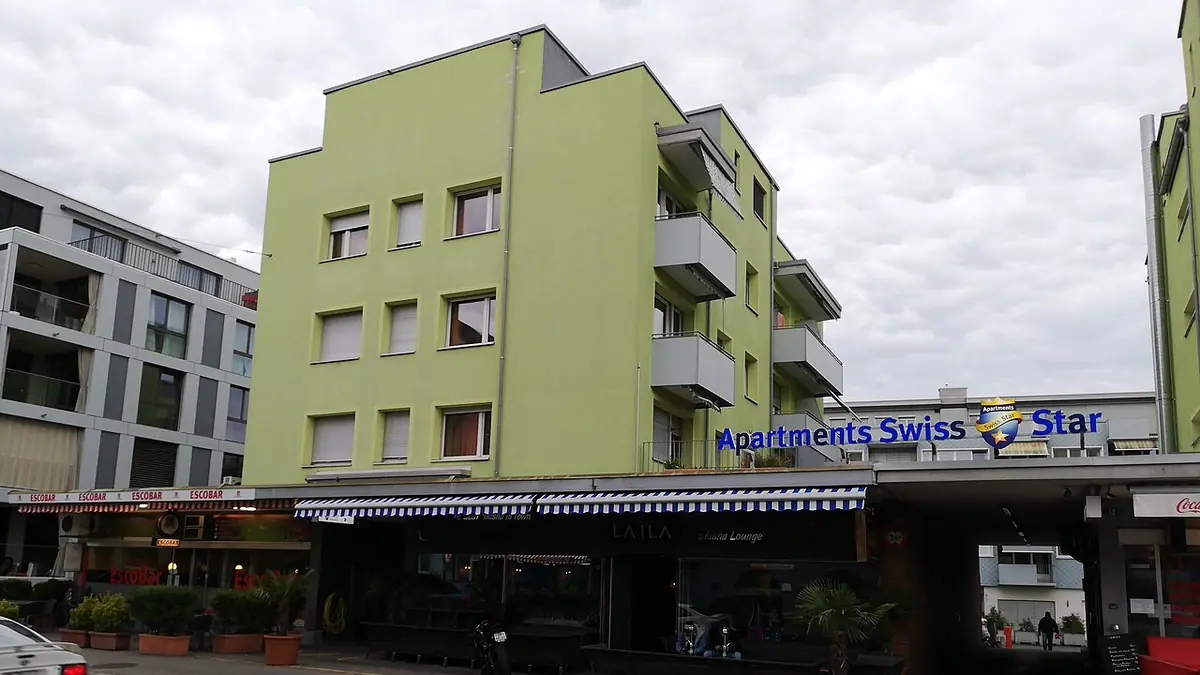
Discover the key factors for buying a property in the Canton of Bern: sustainability of the mortgage, necessary own funds and management of ancillary expenses.
Context
In a nutshell
- The Bernese real estate market requires rigorous financial planning.
- Minimum own funds are generally set at 20% of the value of the property.
- The sustainability of the mortgage loan must be guaranteed in the long term.
- Notary fees and transfer taxes vary by municipality.
Key facts
- What: Purchase of real estate in the Canton of Bern.
- When: Transaction subject to current mortgage market conditions.
- Where: Territory of the Canton of Bern.
- Who: Private buyers and Swiss financial institutions.
- Amount: Minimum 20% of own funds required on the total value.
The purchase of a property in the Canton of Bern represents a significant step that requires a thorough understanding of the financial and legal dynamics in force in Switzerland. The Swiss system, characterized by taxation on three levels — federal, cantonal and municipal — directly affects the spending capacity and economic planning of the family unit. When considering investing in a Bernese property, the first element to be analysed is the structure of the mortgage loan. Swiss banks, in accordance with national prudential directives, usually require that at least 20% of the market value of the property be covered by own funds, of which at least 10% must not come from the advance withdrawal of occupational pension (LPP/BVG). This threshold is critical
Operational details
Managing the purchase of a house in the Canton of Bern involves a series of administrative procedures that fall within the framework of federal law, particularly regarding sales contracts and real estate guarantees. Once the property has been identified, the procedure requires the involvement of a notary, who acts as a guarantor for the regularity of the public deed. Notary fees and real estate transfer taxes represent ancillary costs that can vary significantly depending on the Bernese municipality. It is advisable to request a detailed quote to avoid surprises, considering that these expenses are borne by the buyer, unless otherwise agreed upon between the parties in the preliminary contract.
Tax and social security implications
From a tax perspective, real estate ownership entails the obligation to declare the rental value of the home for the purposes of direct federal tax and cantonal and municipal taxes. At the same time, it is possible to deduct mortgage interest and maintenance expenses—either actually incurred or flat-rate—from taxable income. This dynamic makes tax planning an integral part of the purchasing strategy. For those using the second pillar (LPP/BVG) to finance the purchase, it is necessary to pay attention to the limitations imposed by the Federal Act on Occupational Old Age, Survivors' and Invalidity Pension Provision. Early withdrawal directly affects future pension income, which is why many experts recommend carefully evaluating the long-term impact. Furthermore, building insurance is mandatory in almost all Bernese municipalities, protecting the investment from damage caused by natural elements, a cost to be integrated into the annual home management budget. Comparing the situation with renting, which is regulated by the Code of Obligations (Art. 253 et seq.), purchasing offers greater housing stability but requires immediate liquidity and the ability to manage fixed costs that are not present in a standard rental contract. Long-term planning, which includes the management of pension provision and tax burden optimization via tax return, is the key to a sustainable real estate investment in the Bernese territory.
Useful planning tools
To estimate your pension strategy, use the pension planner and the pillar 3 simulator.
Key points
To proceed with the purchase of a house in the Canton of Bern, the operational process is divided into several clear and codified phases. The first step consists of obtaining a bank pre-approval, which defines the maximum spending budget based on one's income situation and available own funds. Once the property is identified, a preliminary contract is signed, which usually involves the payment of a confirmation deposit, guaranteed by the notary. This act binds the parties and allows the final mortgage application procedure to begin.
Procedures and deadlines
During the process, it is necessary to carefully verify the condition of the property through a technical inspection, preferably supported by an expert, to evaluate any future renovation needs. In the Canton of Bern, as in the rest of Switzerland, the land registry is the reference institution for verifying ownership and any encumbrances or easements that could limit the enjoyment of the asset. After signing the notarial deed, the act is entered into the land registry, making the transfer of ownership effective and enforceable against third parties. It is important to remember that, in the case of purchasing a new construction, legal guarantees on construction defects are regulated by federal law. Regarding daily management, the buyer will have to arrange for the stipulation of a LAMal policy (if not already active) and the management of energy supply contracts, which in the Canton of Bern may vary based on municipal regulations on building efficiency. For those who wish to simulate the impact of the mortgage on their monthly budget, it is possible to use the salary calculator to integrate mortgage expenses with net income, thus ensuring a clear and realistic overview of one's financial capabilities. Prudence in estimates and consultation with specialized real estate and pension consultants remain the pillars for a serene and long-lasting purchase, always respecting the tax deadlines and legal obligations provided by the Swiss system.
Frequently Asked Questions
- What are the minimum own funds needed to buy a home in Bern?
- For the purchase of a property in the Canton of Bern, banks usually require at least 20% of the market value of the property in own funds. Of this share, at least 10% must consist of real capital (savings, securities, etc.), while the remaining part can come from the advance withdrawal of the second pillar (LPP/BVG).
- How is the sustainability of the mortgage calculated?
- Sustainability is calculated by financial institutions assuming a prudential interest rate, higher than the market rate, plus 1% of the value of the property for maintenance costs and depreciation fees. The sum must not exceed, usually, one third of the annual gross income.
- What are the ancillary costs to consider in addition to the selling price?
- In addition to the price of the property, the buyer must provide for notary fees and taxes on real estate transfers, which vary according to the municipality of Bern. It is also necessary to consider the insurance premiums that are stable, mandatory, and the possible impact of the rental value on the annual taxation.
Related articles
- All articles: Housing and rent
- Comprare casa in Grigioni: guida a fondi e mutui
- Comprare casa in Berna: costi e mutuo ipotecario
- Comprare casa a Berna: prezzi, mutuo e tasse
- Comprare casa nel Canton Zurigo: prezzi, fondi propri e mutuo ipotecario
- Comprare casa nel Cantone di Svitto: prezzi e mutuo ipotecario