Buying a house in the canton of Graubünden: mortgage, costs and procedures (cross-border guide)
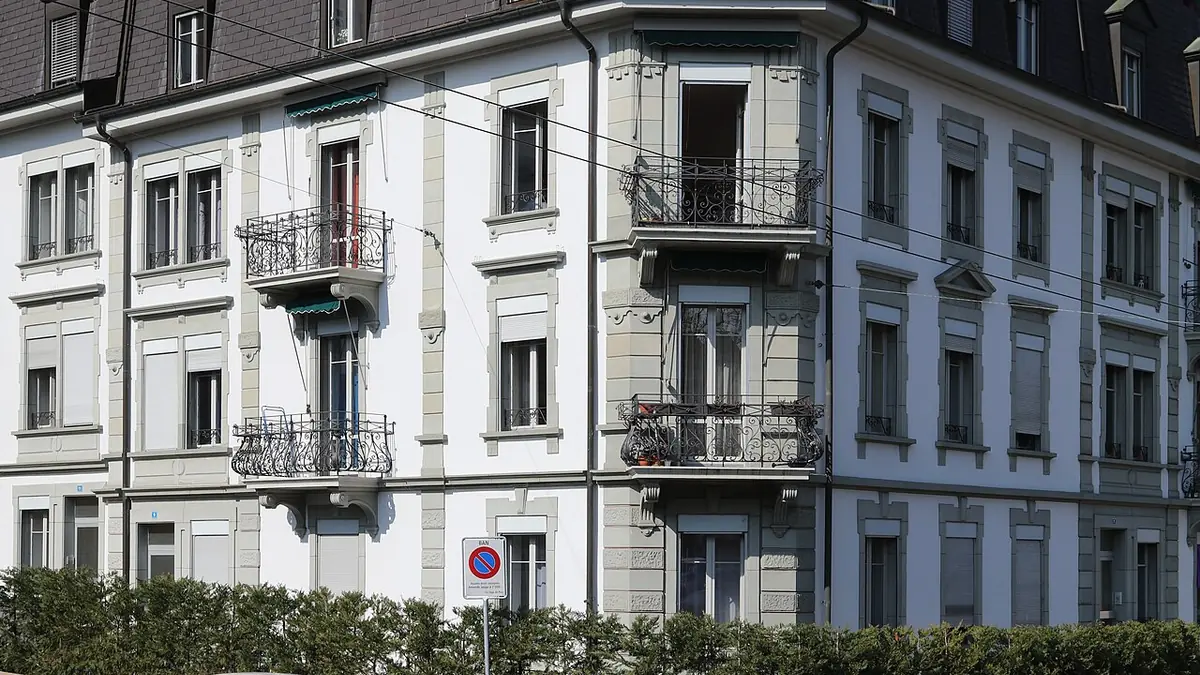
Practical guide to buying real estate in Graubünden: purchase and sale procedures, own funds required, mortgage loan sustainability, transfer taxes and notary fees.
Context
In short
- Buying a house in Switzerland requires own funds (20-30% of the price)
- Transfer taxes and notary fees vary by canton
- Mortgage loan subject to bank sustainability check
Key facts
- What: Acquisition of a residential property
- When: Process usually takes 2-4 months (from preliminary agreement to notarial signing)
- Where: Canton of Graubünden, Switzerland
- Who: Buyer, seller, notary, and bank
- Amount: Own funds minimum 20-30% of the price (Swiss market standard)
Buying a house in the canton of Graubünden follows the national Swiss legal procedure, marked by precise phases: preliminary agreement, property inspection, title verification, final contract, property transfer. The system is regulated at the federal level for contractual aspects (Code of Obligations), but taxes and costs vary significantly between cantons.
The canton of Graubünden, like every Swiss canton, has its own tax levels: federal direct tax (FDT), cantonal tax, and municipal taxes constitute the three tax levels in the Swiss system. In the real estate purchase process, the relevant taxes are mainly the transfer tax at the time of notarial signing and the notary fees, which vary depending on the transaction amount. Municipal taxation adds a multiplier to the cantonal rates.
Financing structure
A property is purchased by combining own funds and mortgage credit. Own funds are the amount the buyer must pay out of pocket, usually not less than 20% of the purchase price in the Swiss market. This amount is not subject to strict federal law but represents the standard required by banks to approve a mortgage. Exceeding 20-30% of own funds reduces the debt ratio and improves financing conditions.
…
Operational details
Sustainability Assessment
The sustainability of the mortgage is calculated by the bank based on the gross income of the buyer. In Switzerland, banks use an empirical rule: the monthly mortgage installment, added to other housing expenses (heating, maintenance, homeowner's insurance), should not exceed 33% of the gross monthly income. This is a market standard, not a federal law, but it is uniformly applied by all credit institutions.
In the calculation, net and gross salary (from pay slips and income certificates), any additional income (rent, pensions), federal, cantonal, and municipal income taxes are considered. The canton of Graubünden, like every Swiss canton, has its own cantonal tax rates. The bank also evaluates the requested mortgage amount, the reference interest rate, and the duration of the financing (usually 15-25 years).
The bank also conducts a credit check through the central debt data used by Swiss institutions and requires complete documentation: last 2 years of tax returns, income certificates from the employer, updated personal balance sheet.
Taxes and Direct Costs
At the time of the notarial signing, the buyer is required to pay the transfer tax, calculated on the purchase price. There is no federal transfer tax, but it is the responsibility of the canton (and partly the municipality) to collect this tax based on their own rates. The canton of Graubünden, as an autonomous territorial entity with tax competence, sets the rates for its own transfer tax.
Notary fees vary by canton and by the amount of the sale, generally from 0.5% to 1% of the purchase price. The drafting of the authentic deed (mandatory in Switzerland for real estate) is carried out by the notary. Some cantons add a land tax to the transfer of ownership.
…
Key points
The step-by-step procedure
Phase 1: Search and preliminary promise. Identify the property through a real estate agent or directly from the owner. Once the property is found, a preliminary promise is signed (not mandatory, but common in Switzerland): it is a non-binding document that blocks the property for a few weeks while the buyer verifies the financing with the bank.
Phase 2: Financing verification. Contact the bank for a pre-approval of the mortgage. The bank requires income documentation (last 2 years of tax returns), imposes a real estate appraisal, verifies the sustainability of the mortgage in relation to your income. This step takes 3-4 weeks. Only then do you receive a pre-approval letter from the bank.
Phase 3: Definitive contract. Once pre-approval is obtained, the buyer and seller sign the purchase contract before a notary. The notary drafts the document in authentic form (mandatory for real estate in Switzerland) and registers the transfer in the Cantonal Land Register of Graubünden.
Phase 4: Mortgage disbursement and payment. The bank disburses the mortgage to the notary (who holds it in deposit). The buyer pays the own funds. The notary pays the seller and the transfer of ownership is completed. The buyer receives the registration notice in the Register and becomes the formal owner.
Essential documents to prepare
Before contacting a bank, prepare the last 2-3 years of tax returns (federal and cantonal), income certificates from the employer (last 12 months), bank statement (last 3-6 months), latest pay slip (last 3 months), valid identity document, marriage certificate if applicable, extract from the Central Debt Register. These documents are mandatory for the bank's creditworthiness assessment.
…
Frequently Asked Questions
- How much equity do you need to buy a house in Switzerland in 2026?
- There is no federal law that requires it, but banks generally require at least 20% of the purchase price as equity. Bringing 30% or more improves mortgage conditions and reduces the debt ratio. Own funds must come from personal savings, inheritance or pensions; they cannot be unsecured loans, to avoid excessive leverage.
- How do you calculate mortgage sustainability?
- Swiss banks use a rule of thumb: the monthly installment of the mortgage, added to other housing expenses, must not exceed 33% of monthly gross income. The bank does a simulation assuming a higher interest rate to make sure the borrower resists rate changes. Federal, cantonal and municipal taxes are considered in the estimate of disposable income.
- What are the taxes when buying a house in the canton of Graubünden?
- The transfer tax is calculated on the purchase price and varies per canton. It does not exist at the federal level. Notary fees also vary (usually 0.5%-1% of the price). Some cantons add property taxes to the transfer of ownership. The canton of Graubünden, like every canton, has fiscal autonomy over these taxes and sets its own rates.
- How much do notary fees cost when buying a home?
- Notary fees are set by cantonal rates and vary based on the amount of the transaction and the canton. They typically amount to between 0.5% and 1% of the purchase price. They are due from both the buyer and the seller (generally divided by 50% each). They include the drafting of the authentic deed and registration in the Land Registry.
- What is the Swiss tax system for real estate?
- The Swiss system has three levels of taxation: federal (IFD), cantonal and municipal. In the real estate purchase process, the relevant taxes are the transfer tax (cantonal/municipal) and notary fees (cantonal rates). Each canton, including Graubünden, has its own rates; each municipality applies a multiplier on the cantonal rate.