Buying a house in Graubünden: a guide to funds and mortgages (cross-border guide)
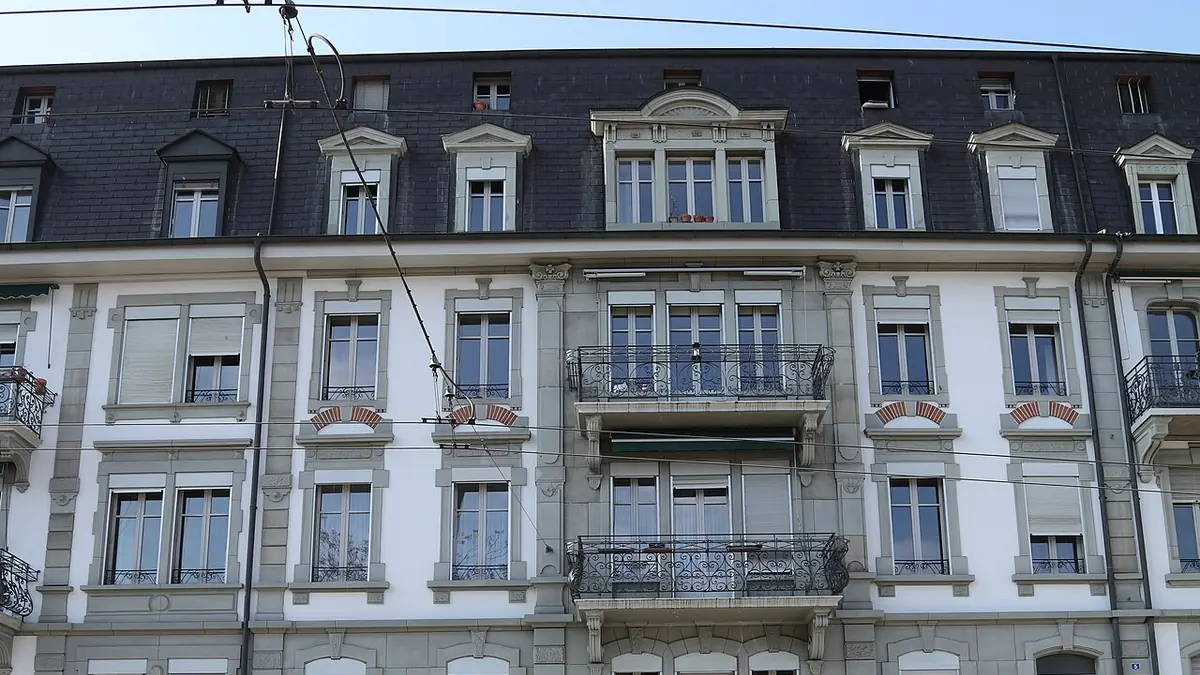
Procedure, own funds, mortgage loan and taxation on three levels. How to buy a property in Switzerland complying with federal and cantonal regulations.
Context
In brief
- Buying a house in Switzerland is regulated by well-defined federal and cantonal laws
- Taxation is structured at three levels: federal, cantonal, and municipal
- Own funds and mortgage sustainability are assessed according to uniform banking criteria
- Notary fees and transfer tax vary by canton
Key facts
- What: Purchase of real estate through a notarial procedure
- Where: Canton of Graubünden and other Swiss cantons
- Who: Resident buyer or with appropriate permit
- When: Procedure from 2 to 4 months from offer to property transfer
- Basis: Federal civil law (Code of Obligations) + specific cantonal laws
Buying a house in the Canton of Graubünden involves a procedure regulated by well-defined federal and cantonal laws. The decision to become owners involves a careful evaluation of three crucial elements: the availability of own funds, the sustainability of the mortgage, and the impact of taxation at three levels (federal, cantonal, and municipal). There is no special regime for Graubünden, but the canton applies its own transfer tax rates and notarial rules, exactly as happens in every other Swiss canton.
Own funds and credit assessment
To obtain a mortgage from a Swiss bank, the prospective owner must have a share of own funds. The sustainability criterion is universal: the amount of the monthly amortization installment must not exceed a certain percentage of the available gross income. Graubünden and all Swiss residents are subject to the same creditworthiness assessment according to prudential guidelines defined at the federal level by the Swiss National Bank (SNB).
…
Operational details
Three-tier taxation: how it works in Switzerland
The taxation of a property is organized on three distinct levels. The federal direct tax (IFD) is calculated by the Federal Department of Finance by applying a uniform federal rate to the net taxable income of the property. Each canton has its own tax law and different rates: in the canton of Graubünden, as in the other 25 cantons, a cantonal multiplier is applied to the federal tax base. Finally, the municipalities apply their own multiplier to the cantonal base, creating further variability. Two municipalities in the same canton can have significantly different tax burdens.
For those who purchase a house as their primary residence, ordinary taxation includes the imputed net income (if not rented) or the actual rental income. However, mortgage interest is deductible from taxable income at the federal and cantonal levels, reducing the tax due. This deduction represents a significant tax advantage in the early years of the mortgage, when the interest portion is higher compared to the principal repayment.
Transfer tax and notarial procedure
When purchasing a house, the notarial procedure is mandatory in Switzerland. The notary's office drafts the property transfer deeds and takes care of the registration with the land registry. Notarial fees (professional fees and administrative expenses) are regulated on a cantonal basis. In the canton of Graubünden, as in other cantons, the notary's fee is generally proportional to the value of the property and is not fixed at the federal level. The exact amount varies depending on the complexity of the deed and the rates applied by the notary's office.
…
Key points
Step-by-step procedure for purchasing a property
The procedure for purchasing a house in Switzerland follows well-defined steps. First, verify your financing capacity by contacting the bank: find out the maximum mortgage amount suitable and the percentage of own funds required (usually between 10% and 20% of the purchase price). Then, start your property search in the Canton of Graubünden through national real estate portals or by contacting local specialized real estate agents.
Once you have identified the property, the real estate agent or seller proposes a preliminary purchase agreement (letter of intent). This phase is NOT legally binding but sets the essential details of the offer: price, amounts related to the property (boiler, installations), delivery date. Then, submit the offer to your bank to start the mortgage application process. The bank performs an appraisal (valuation) of the property and a credit check of the borrower. This process usually takes 2-4 weeks.
Once the mortgage is approved, the notary office drafts the sales contract in authentic form (mandatory in Switzerland). The notarial contract includes all conditions of the sale and is registered with the municipal cadastre. During the signing of the notarial deed, the own funds are paid, and the mortgage documents are signed with the bank. The notary office then coordinates the transfer of funds from the bank to the seller and the registration of the property in the name of the buyer. This phase concludes the legal transfer of ownership.
…
Frequently Asked Questions
- Is there a federal minimum wage in Switzerland that affects the ability to take out a mortgage?
- No, Switzerland does not have a federal minimum wage. Some cantons have established their own cantonal minimum wages, but not at the federal level. The ability to take out a mortgage depends on the bank's assessment of net gross income, employment stability, and individual liabilities. Each bank applies its own criteria for assessing the sustainability of the monthly installment with respect to disposable income.
- How does health insurance (LAMal) work when I buy a house in Switzerland?
- Swiss health insurance (LAMal) is mandatory for all residents. Premiums are individual (per capita) and vary by canton and region of domicile. LAMal is not related to the purchase of a house, but it is advisable to check the premiums of the canton where you intend to move the residence before concluding the purchase, as it represents an important recurring cost in the annual domestic budget.
- Are notary fees and transfer tax deductible from income taxes?
- No, notary fees and pass-through tax are NOT deductible from direct federal or cantonal income tax. These are charges that are borne by the buyer at the time of purchase and represent one-off costs. However, interest on the mortgage loan is deductible from taxable income, both at the federal and cantonal levels, throughout the life of the mortgage.
- What exactly does' funding capacity 'mean in Switzerland?
- Financing capacity is the bank's assessment of your eligibility to take out a mortgage loan. The bank examines: net gross income and historical remuneration (last 2-3 years), other current liabilities (personal loans, previous rentals), importance of the monthly installment with respect to income (generally no more than 30-33%), and the market value of the property. Each bank has its own policies, but the sustainability criterion is widespread in all Swiss financial institutions.
- What documentation do I need to prepare to apply for a mortgage in Switzerland?
- Generally: last 2-3 pay slips, last 2 years of tax returns, bank statements (previous 6 months), pre-offer letter from the bank, and documentation relating to the property (official plan, energy appraisal if required, preliminary estimate). Each bank may require additional documents. It is advisable to contact the bank before submitting an offer for the full list of required documents.