Buying Casa Grisioni: mortgage and taxes (cross-border guide)
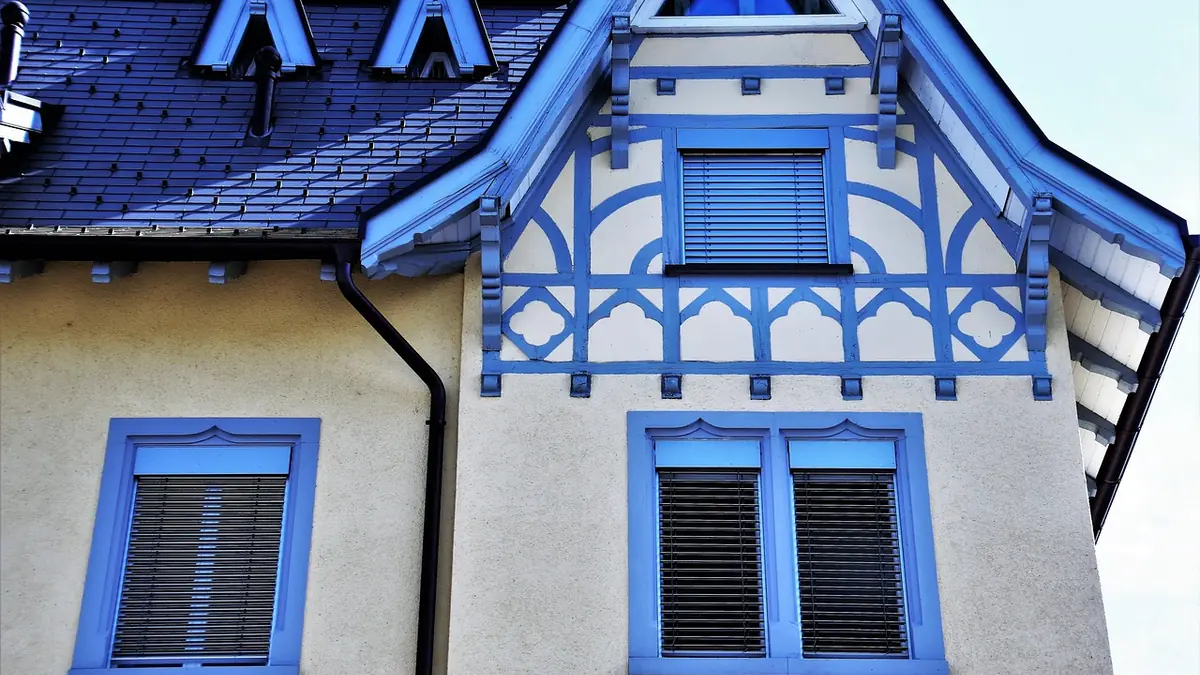
Purchase in Graubünden: own funds 20-30%, mortgage loan up to 80%, variable transport tax per municipality, notary fees 1-2%. Explained procedure and costs.
Context
In brief
- Own funds: at least 20% of the purchase price
- Mortgage: up to 80%, duration 15-25 years, variable rates
- Transfer tax: varies by canton and Grisons municipality
Key facts
- What: Purchase of real estate in Grisons
- Where: Canton of Grisons, Eastern Switzerland
- Who: Swiss residents or foreigners authorized by SEM
- Own funds: 20-30% of the price (savings, LPP, pillar 3a)
- Additional costs: Transfer tax + notary + land registry (1-3% total)
In the canton of Grisons, anyone wishing to buy a house must have own funds equal to at least 20 percent of the purchase price. The rest is financed through a mortgage from a bank. At the time of acquisition, the transfer tax (cantonal and municipal), notary fees, and land registry taxes are added. These three elements represent the core of the financial planning for those intending to buy in Grisons.
Own funds can come from three sources: personal savings, withdrawal from the second pillar (LPP/BVG) for the purchase of the main residence, and withdrawal from the third pillar 3a. The withdrawal from LPP is subject to time constraints: it must occur at most 5 years before ordinary retirement. The third pillar 3a is available at any time to finance a main property. These withdrawals do not increase the federal taxable income (IFD) in the same year but may have tax implications at the cantonal and municipal level according to the laws of Grisons.
…
Operational details
Mortgage sustainability and banking criteria
Swiss banks apply strict sustainability criteria before making a loan. The general rule is that the monthly installment (principal plus interest) should not exceed 33 percent of the buyer's gross income. Income is calculated net of direct federal taxes (DFI), cantonal and municipal taxes specific to Graubünden. Those with a low income after tax deductions will find it difficult to access a large mortgage.
To calculate your tax burden in Graubünden, you need to consider three levels of taxation. The direct federal tax (DFI) is calculated on the basis of total income and is uniform in Switzerland according to the rates set by the Federal Council. The cantonal income tax of Graubünden varies according to the canton and its specific laws. Finally, the municipal tax uses a multiplier that amplifies the cantonal taxable amount: each municipality in Graubünden has its own multiplier that determines the effective municipal rate.
An example of calculation: if the annual gross income is CHF 80'000 and the total tax burden (federal + cantonal + municipal) is 20 percent, the net income is CHF 64'000. The maximum sustainable monthly installment is CHF 64,000 × 0.33 ÷ 12 = approximately CHF1,760. For an installment of CHF 1,760, the sustainable mortgage is aboutCHF 350,000-400,000 depending on the current interest rates in the Swiss mortgage market.
Equity and
Useful planning tools
To estimate your pension strategy, use the pension planner and the pillar 3 simulator.
Key points
Concrete procedure: the 6 steps of the purchase
The real estate purchase procedure in Graubünden follows a fixed order regulated by federal law and cantonal regulations. The first step is to search for the property on the real estate market. The main portals (ImmoScout24, Homegate, NxImmo) list available properties in Graubünden with prices, technical characteristics (square footage, year of construction, number of rooms), and photos.
Once the property is identified, a purchase proposal is signed, sometimes called a non-binding offer. This proposal specifies the proposed price and preliminary terms (transfer date, suspensive conditions such as mortgage financing). If the seller accepts, the proposal becomes binding, and the subsequent steps must be completed within the agreed terms.
The second crucial step is the pre-approval of the mortgage with a bank. Before signing the final contract, contact a bank to obtain a pre-approval letter for financing. The bank requires income documentation (last 2-3 years of tax returns, current pay slips), a list of current debts, bank statements (assets), and a preliminary appraisal report of the property. This step is crucial as it quickly identifies sustainability obstacles.
Signing the contract and land registry
The third step is signing the final sales contract. The contract is drafted by a notary's office or the seller's real estate administration. It includes the final price, the property transfer date (usually 30-60 days after signing), special conditions such as the extinction of existing mortgages, easements, third-party rights, and maintenance responsibilities until the transfer date. Both parties (seller and buyer) sign the contract before a notary, who authenticates the signature and keeps a copy in their archive.
…
Frequently Asked Questions
- What are the minimum own funds to buy a house in Graubünden?
- In Switzerland, the minimum required is 20% of the purchase price. This amount must come from personal savings, withdrawals from LPP (second pillar) for the purchase of the main residence, or third pillar 3a. Some institutions require up to 30% to reduce credit risk. The rest is financed through a mortgage loan from a bank. Withdrawals from LPP must take place at most 5 years before ordinary retirement.
- How do you calculate if I can afford the mortgage in Graubünden?
- The bank verifies that the monthly installment (principal + interest) does not exceed 33% of your Swiss gross income, net of direct federal (IFD), cantonal (Graubünden-specific), and municipal taxes. If your net income is CHF 60'000 per annum, the maximum sustainable installment is about CHF 1'650 per month. The higher the income and the lower the current debts, the greater the chance of obtaining a substantial mortgage.
- Who pays the transport tax in Graubünden?
- The buyer is responsible for paying the transport tax, a cantonal and municipal tax on the transfer of the real estate property. The rate varies by municipality of Graubünden. To find out the exact rate, contact the specific municipal administration where the property is located. The tax is calculated on the purchase price agreed in the sales contract.
- Can I use the third pillar 3a to buy a house in Graubünden?
- Yes, you can withdraw from your 3a account to fund the purchase of your primary residence in Graubünden. The levy does not increase federal taxable income (IFD) in the same year, but may have tax implications at the cantonal and municipal level of Graubünden. Check with the cantonal tax administration how the withdrawal affects your local tax return.
- How long does the purchase process take in Graubünden?
- From the search to the signing of the contract generally takes 2-6 months, depending on the speed of the search, pre-approval of the mortgage, and negotiation of the terms. After signing, payment and registration of the property in the land register takes an additional 2-4 weeks. The total duration depends on notarial speed and cantonal administrative processes specific to Graubünden.
Related articles
- All articles: Housing and rent
- Comprare casa nel canton Grigioni: guida ai costi
- Casa in Grigioni: mutuo, fondi propri e imposte
- Comprare casa Appenzello Esterno: guida al mutuo ipotecario
- Comprare casa a Grigioni: prezzi, fondi propri e mutui
- Comprare casa nel Cantone di Svitto: prezzi e mutuo ipotecario