Buying a house in Basel Countryside: mortgage and taxation
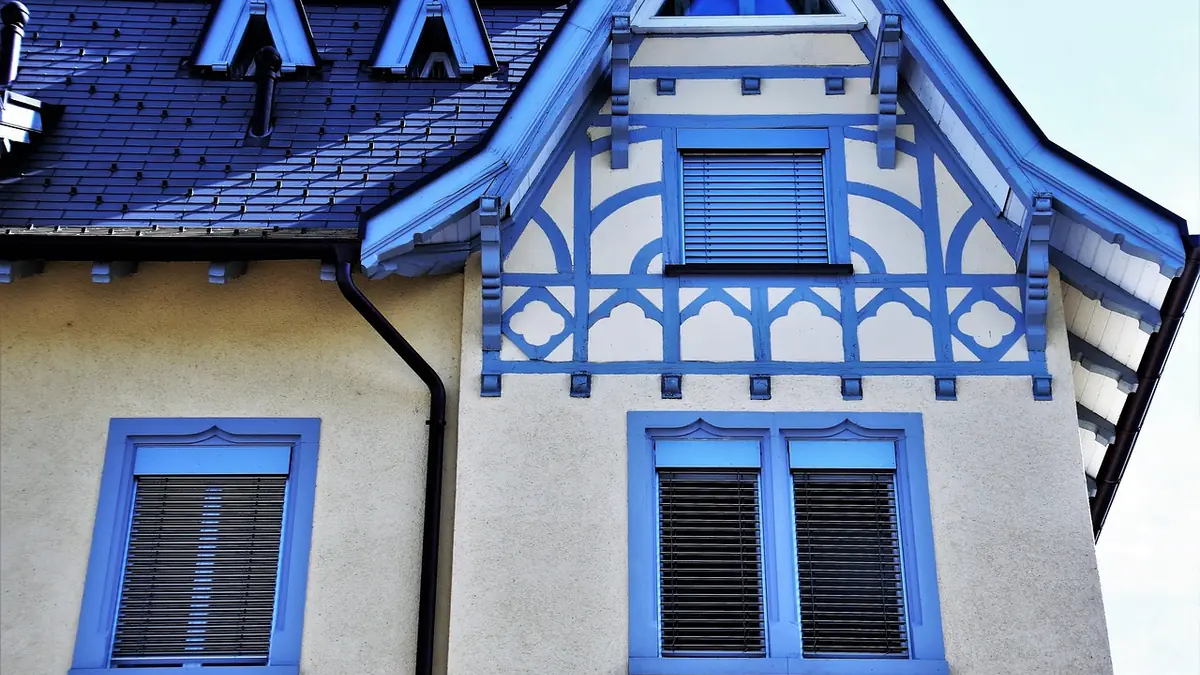
How to buy a house in the Canton of Basel-Country: guide to the three tax levels, mortgage and hidden costs
Context
In a nutshell
- Three tax levels: federal, cantonal, municipal
- Mortgage loan requires at least 20% equity
- Transfer tax is a cantonal tax
- Notary fees and ancillary costs affect the total
Key facts
- What: Purchase of a house in the Canton of Basel-Country
- Where: Canton Basel Country, northwestern Switzerland
- Who: Resident and non-resident buyers
- Tax levels: Three (federal, cantonal, municipal)
- Transfer tax: Cantonal tax at the time of purchase
The system of buying a house in the Canton of Basel-Country follows Swiss national rules, but with particular cantonal and municipal taxation. Unlike many European systems, Switzerland applies a system of direct taxation at three levels: the federal level (Swiss Confederation), the cantonal level (Canton Basel-Country) and the municipal level. Each level has competence over different taxes, and in the Canton each municipality can apply a multiplier on a cantonal basis. The dichiarazione annuale delle imposte follows the Swiss national model.
Buying a house in the Canton of Basel-Country means dealing not only with the purchase price, but also with related costs such as the transfer tax (a cantonal tax), notary fees (charged by the profession) and, once owners, with the annual tax burden linked to real estate ownership.
Swiss property tax structure
The Swiss tax system distinguishes between
Operational details
Mortgage lending in Switzerland: criteria and sustainability
Buying a home in the Basel-Country Canton almost always requires a mortgage. At the Swiss national level, the mortgage sustainability criteria follow common principles:
- LTV (Loan-to-Value) ratio: Swiss banks usually require a maximum mortgage-to-value ratio of around 80%, which means that the buyer must have at least 20% of the purchase price.
- Repayment capacity: Banks assess the sustainability of the mortgage based on the borrower's income and other financial obligations. The common criterion is that the mortgage installment does not exceed 33% of the monthly net income.
- Term of the loan: Generally between 15 and 30 years, with the possibility of early repayment.
In the canton of Basel-Country, as in the other cantons, interest rates on mortgages are determined by the market (influenced by the Swiss National Bank — SNB/SNB) and are not fixed by cantonal legislation. However, sustainability assessment criteria may vary slightly from bank to bank, even if they follow common guidelines of the Swiss Bankers' Association. Assessing the sustainability of the mortgage means considering the costo della vita complessivo in Svizzera.
Transfer Tax: Hidden Cost of Purchase
The pass-through tax is a cantonal tax that affects the total purchase cost. Unlike other cantons,
Useful tools to protect your net income
To reduce FX leakage, compare CHF-EUR exchange options and banks for cross-border workers.
Key points
Procedure step-by-step for purchasing in the Canton Basel-Landschaft
The purchasing procedure of a property in the Canton Basel-Landschaft follows standardized national Swiss steps, with cantonal specifics:
1. Search and offer: Identify the property and submit a binding offer to the seller. In Switzerland, there is no mandatory legal exclusivity period during the negotiation.
2. Preliminary (Vorvertrag): Once the offer is accepted, the parties sign a preliminary agreement that specifies the price, delivery date, and suspensive conditions, such as obtaining a mortgage.
3. Mortgage: Request a mortgage from the bank. The process includes property valuation, mortgage sustainability check, and signing the mortgage promise.
4. Notary: Once all details are finalized, the parties visit the notary to sign the definitive deed (Kaufvertrag). The notary registers the deed in the cantonal land register and calculates the transfer tax.
5. Property transfer: The notary registers the property transfer in the cantonal land register. At this point, the mortgage is disbursed, and the seller receives the payment.
Transfer tax: timing and calculation
The transfer tax in the Canton Basel-Landschaft is calculated by the notary at the time of signing the definitive deed. It is a cantonal tax, meaning the rate and calculation methods are set by cantonal legislation, not federal law. The amount varies based on the purchase price and any applicable exemptions or benefits under cantonal laws, such as exemptions for the purchase of the primary residence in some cantons or reductions for spouses.
Typically, the transfer tax is paid at the time of signing the definitive deed by the notary or can be paid according to the modalities established by the canton.
Notarial fees
Notarial fees in the Canton Basel-Landschaft are set by the notarial profession's tariff, not by federal law. They include: drafting the purchase deed, registration in the land register, legal advice, and administrative costs.
These fees are normally borne by the buyer (unless otherwise agreed with the seller) and represent, on average, 1-2% of the purchase price, depending on the complexity of the transaction.
Additional costs: Registration fee and stamp duty
In addition to transfer tax and notarial fees, consider:
- Registration fee for the land register: A cantonal tax for registering the property in the land register.
- Valuation costs: If required by the bank for the mortgage.
- Property insurance: Mandatory if the mortgage exceeds a certain threshold. It covers property damage (fire, theft, etc.).
All these costs should be factored into the purchase planning to avoid liquidity shortfalls in the final phase.
Final checklist before purchase
Before proceeding with the purchase, it is advisable to verify:
- Mortgage sustainability (LTV ratio, repayment capacity)
- Availability of own funds (at least 20% of the purchase price)
- Cantonal transfer tax estimate
- Notarial fee estimate
- Annual fiscal burdens as a property owner
- Property insurance coverage
Seeking the advice of a real estate consultant or notary for reviewing these aspects is highly recommended, especially if it is the first time purchasing a property in Switzerland.
Use our financial calculator to estimate the sustainability of your mortgage based on income and desired purchase price.
Frequently Asked Questions
- How much is the transfer tax in the canton of Basel-Country?
- The transfer tax is established by the cantonal legislation of the Canton of Basel-Country. As each canton has its own regulations, the rate varies from canton to canton. To find out the exact amount applicable to your purchase, you must consult the cantonal tax laws or contact a cantonal notary or tax advisor. The notary will calculate the tax at the time of signing the final deed of purchase.
- What is the LTV ratio required by Swiss banks for the mortgage loan?
- The standard LTV (Loan-to-Value) ratio in Swiss banks is a maximum of 80%, which means that up to 80% of the value of the property can be financed. As a result, own funds of at least 20% of the purchase price are required. This is a Swiss national principle, but some banks may offer slightly different conditions depending on the buyer's situation and the type of property.
- What are the main additional costs besides the purchase price and the mortgage?
- Additional costs include: transfer tax (cantonal), notary fees (professional fees, approximately 1-2% of the price), land registration fee, property valuation costs (if required by the bank), and property insurance (mandatory if the mortgage exceeds bank-defined thresholds). In addition, once owners, you will have to pay annual property taxes (municipal and cantonal tax).
- What is the role of the notary in the purchase of a property?
- The notary is a central legal figure in the purchasing process in Switzerland. Drafts the deed of purchase (Kaufvertrag), verifies the rights of the parties over the property, calculates the transfer tax, records the transfer of ownership in the cantonal land register and ensures compliance with legal regulations. Notary fees are set by professional rates and represent an important cost item in the purchase process.
- How to assess the sustainability of a mortgage?
- The sustainability of a mortgage loan is assessed on the basis of stable income and repayment capacity. The Swiss national criterion is that the monthly installment of the mortgage does not exceed 33% of the monthly net income. In addition, the purchase price should not require financing above 80% of the value (LTV). Banks also assess the buyer's other financial obligations before approving the mortgage. Consult a financial advisor or the bank directly for an accurate assessment of your situation.