Buying a house in Lucerne: mortgage and taxes (cross-border guide)
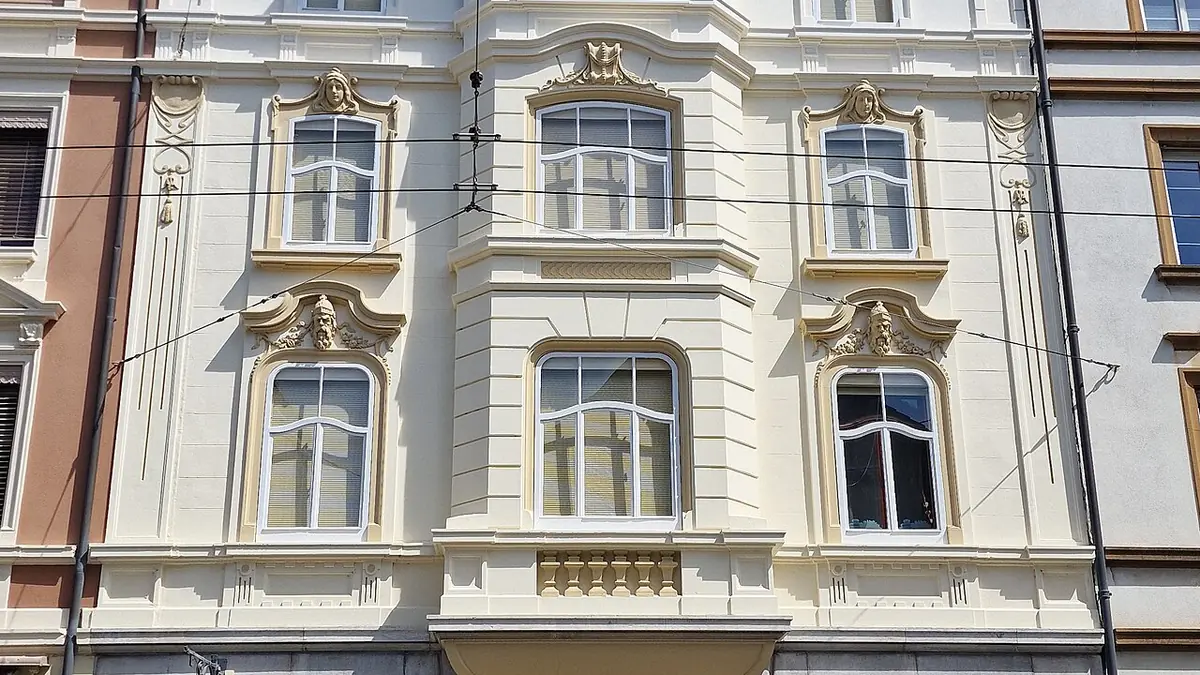
Buying a property in the Canton of Lucerne requires fiscal-financial skills: transfer taxes, sustainable mortgage, notary fees. Operating Guide 2026.
Context
In a nutshell
- Purchase of a house in Switzerland: taxation on 3 levels (federal, cantonal, municipal)
- Mortgage loan requires sufficient own funds and bank sustainability verification
- Tax on cantonal-communal transfers and notary fees are additional costs
- National rule: maximum mortgage fee 20% of annual gross income
Key facts
- What: Purchase of residential property and mortgage lending
- When: Continuous procedure; registration with cantonal land registry office
- Where: Canton Lucerne (tax rates vary by municipality)
- Who: Buyer, bank, notary, land registry office
- Taxes: Cantonal-communal transfer tax, notary fees (variable amounts)
Homebuyers in Switzerland face a tax structure divided into three levels: federal, cantonal and municipal. In the Canton of Lucerne, as in every Swiss canton, the transfer tax affects the real estate transaction with a local rate whose amount depends on the sale price and the rules of the canton and the municipality of location. In addition to the direct purchase costs, the buyer must count notary fees, bank fees for the mortgage and the property appraisal. Taking out a mortgage loan also involves rigorous bank checks on the financial sustainability of the borrower, assessing income, AVS/AI (compulsory social security) and LAMal (compulsory health insurance for Swiss residents).
Swiss taxation
Operational details
Procedure for buying and selling and the roles of the parties involved
The purchase of a property in Switzerland is concluded with a public notarial deed deposited with the land register of the canton. The buyer and seller sign the purchase agreement in the presence of the notary, who verifies the legality of the transaction, the contractual capacity of the parties, the absence of encumbrances on the property (previous mortgages, seizures, rights of pre-emption) and compliance with municipal building regulations. The notary also ensures the deposit of funds in a blocked account in the name of the buyer until the property is fully transferred, providing legal protection to both parties according to federal law (Code of Obligations, articles 253 and following).
The typical procedure consists of sequential phases:
Pre-qualification of the mortgage: The buyer contacts one or more banks to receive a preliminary, non-binding mortgage attestation, indicating the maximum credit available based on declared incomes.
Non-binding offer: Once the desired property is identified, the buyer signs an offer to the seller, usually conditional on the bank's approval of the mortgage.
Property appraisal: The bank entrusts an independent technical expert with the valuation of the property. The appraisal value determines the maximum mortgage, typically calculated as a percentage of 60–80% of the estimated value.
Mortgage approval: Once the appraisal report is received, the bank formally communicates the mortgage approval and the terms (interest rate, amortization, duration of the financing).
…
Key points
Pre-purchase operational checklist
Before proceeding with the purchase of a property in the Canton of Lucerna, the buyer should follow these preparatory steps:
1. Obtain a preliminary mortgage certificate: Contact at least two banks to receive a preliminary mortgage certificate (non-binding, typical validity 2–4 months). This document allows you to negotiate with the seller with awareness of the available funds.
2. Analyze personal budget: Carefully verify stable income over the last 2–3 years, accumulated own funds, current debts (car loans, personal loans, credit cards), fixed monthly expenses (rent, LAMal, various insurances).
3. Consult a cantonal tax advisor: Inform yourself about the specific rates of the transfer tax in the Canton of Lucerna and in the municipality where the property is located. Verify the possible existence of benefits for first-time buyers, tax deductions or exemptions.
4. Verify the status of the property with the land registry: Request an extract from the cantonal land registry to ensure the absence of seizures, previous mortgages, rights of pre-emption or municipal constraints that could hinder the transfer of the property.
5. Conduct an independent technical inspection: Hire a technical expert (not appointed by the bank) to verify the structural condition, structural suitability, building compliance and the possible need for maintenance or renovation interventions that will impact the value and future costs.
…
Frequently Asked Questions
- What are all the additional costs in addition to the purchase price of a house in the Canton of Lucerne?
- In addition to the price of the property, the buyer bears: the transfer tax (cantonal-communal rate, amount variable according to the sale price), notary fees (usually 1–2% of the value of the property), bank fees for the mortgage, the technical appraisal of the property, mandatory fire insurance (cantonal insurance), and sometimes registration taxes with the municipality. The sum of these additional elements must be included in the total purchase balance.
- How much does the mortgage have to cover compared to the value of the property in the Canton of Lucerne?
- There is no uniform federal standard that sets a mandatory percentage. Banks usually finance 60–80% of the appraisal value of the property; the remaining 20–40% must come from the buyer's own funds (security deposit). Some banks offer different conditions (up to 90% mortgage) for customers with high creditworthiness, certain incomes for the coming years and minimum pre-existing debts. The exact amount depends on the institution's credit policy and individual financial situation.
- What is the national rule on mortgage sustainability?
- The national rule provides that the mortgage fee (monthly installment) does not exceed 20% of the buyer's annual gross income. In addition, the bank assesses the disposable income after the payment of AVS/AI and LAMal, current rents, monthly fixed expenses and other credit debts, to ensure that the buyer can sustain the installment even in the event of a rise in interest rates. The bank also considers the credit history at Swiss bank rating services.
- Can I deduct the purchase expenses from the direct federal tax return?
- Pass-through tax is not deductible from the federal direct tax return (IFD). However, some Swiss cantons provide concessions, cantonal tax deductions or exemptions for first-time homebuyers (with minimum age, maximum income, property location requirements). Consult the tax administration of the Canton of Lucerne or a specialized tax advisor to learn about the benefits available in your specific situation.
- How long does the entire procedure of buying and selling a house in the Canton of Lucerne take?
- From the pre-qualification of the mortgage to the land registration at the cantonal land registry office, generally 16–24 weeks (4–6 months) pass, provided that there are no delays in bank checks, technical appraisals, cadastral searches or municipal authorisations (territorial constraints, building compliance). Shorter timeframes (8–12 weeks) are possible if the seller is quickly available and the bank proceeds quickly with the mortgage approval.