A2 towards Lugano: heavy traffic, delays up to 1h30
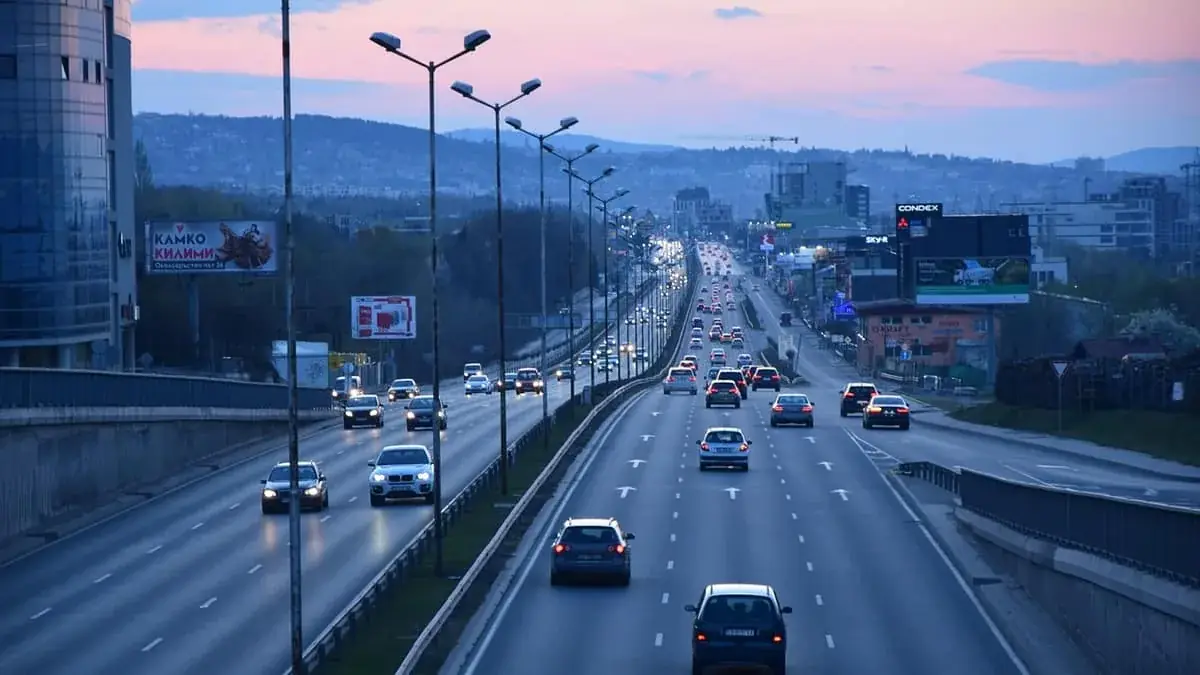
Delays between Chiasso and the San Salvatore tunnel, estimated between one and one and a half hours.
Context
In brief
- Heavy traffic on the A2 towards Lugano
- Delays up to 1h30
- Broken down vehicle between Bissone and San Salvatore
- Commuters struggling, especially between Mendrisio and Lugano
Key facts
- What: Heavy traffic and broken down vehicle
- When: Reported around 6:00 AM
- Where: Between Chiasso and San Salvatore tunnel
- Who: ViaSuisse
- Impact: Estimated delays between 1h and 1h30
- Affected municipalities: Chiasso, Bissone, Mendrisio, Lugano
The traffic is congested on the A2 between Chiasso and the San Salvatore tunnel. Delays are estimated between one hour and one hour and thirty minutes. In addition to the usual traffic, a broken down vehicle between Bissone and the tunnel, reported by ViaSuisse around 6 AM, is causing significant slowdowns. The situation is critical for commuters and cross-border workers using this route to reach Lugano and the Canton of Ticino.
Implications for cross-border workers
Significant delays can have a considerable impact on the daily lives of cross-border workers who live in Italy and work in Switzerland. Prolonged congestion can affect work schedules, causing potential delays and logistical complications. Additionally, extra fuel costs and vehicle wear and tear are aspects to consider.
"Every minute lost in traffic translates into an additional cost for cross-border workers," says Marco Rossi, an expert in cross-border mobility.
Operational checklist for cross-border workers:
1. Alternative planning: Check public transport schedules (FFS and Trenitalia). 2. Carpooling: Organize rides with colleagues. 3. Remote work: Check with your employer the possibility of smart working. 4. Traffic monitoring: Use apps like ViaSuisse or Google Maps.
Comparison with the previous situation
Compared to periods of normal traffic, the current situation represents a significant anomaly. Usually, traffic on the A2 is heavy but manageable, with delays rarely exceeding 30 minutes. The presence of a broken down vehicle has worsened the situation, creating a traffic jam that extends for several kilometers.
Possible scenarios
If the situation does not improve quickly, commuters may need to consider alternatives such as using public transport or changing their work schedules. However, these solutions may not always be practical, especially for those who work fixed hours or in sectors that require on-site presence.
Practical comparison:
- Scenario 1: Use of private car.
- Fuel cost: Approximately 2.50 CHF per 100 km (average gasoline price in Ticino).
- Average time: 1h30 with normal traffic, 3h with congestion.
- Scenario 2: Use of the train.
- Ticket cost: Approximately 15 CHF for a Chiasso-Lugano trip (one way).
- Average time: 40 minutes without delays.
Regulations and costs
- Car insurance: In Switzerland, the average annual premium for a car is approximately 1,200 CHF.
- Toll: In Italy, the cost for a class 1 car between Milan and Chiasso is approximately 5 CHF.
- Fine for lateness: In some employment contracts, lateness can result in penalties up to 100 CHF.
Conclusion
The current situation on the A2 towards Lugano requires attention and patience from drivers. It is essential to stay informed about traffic conditions and plan any alternatives to avoid excessive delays. For those needing up-to-date information, it is possible to consult traffic monitoring sites like ViaSuisse.
⚠️ Warning: Always check weather and traffic conditions before embarking on your journey, especially during peak tourist seasons or special events.
Operational details
Practical Analysis
The congestion on the A2, particularly between Chiasso and Lugano, not only causes significant delays but also has an economic and environmental impact. Furthermore, the increase in emissions due to stationary vehicles contributes to air pollution, with an estimated 15% increase in CO2 during peak hours.
Comparison with Other Roads
In addition to the A2, other roads in the Canton of Ticino experience heavy traffic. The A24 from Stabio to Mendrisio, the cantonal road from Mendrisio to Bissone, the Brusata customs between Novazzano and Genestrerio, and the Malcantone between Ponte Tresa and Agno towards Bioggio are all critical areas. For example, the Brusata customs averages 20,000 crossings per month, with peaks up to 30,000 during the summer months. This indicates a broader traffic management issue in the region, directly impacting the quality of life for residents and the productivity of cross-border commuters.
Alternative Solutions
For cross-border commuters heading to Lugano, it might be useful to consider using public transportation. The train, with frequent connections from Chiasso and Mendrisio, offers a more predictable alternative, although it may not always be convenient in terms of time and cost. For example, a six-month public transport subscription costs around 1,000 CHF but can save up to 500 CHF in fuel and vehicle wear. Additionally, sharing the vehicle with other commuters could reduce costs and environmental impact. According to a 2023 survey, carpooling could reduce CO2 emissions by up to 30%.
Implications for Companies
Companies with cross-border employees should consider flexible working hours policies, allowing employees to avoid peak hours. They could also offer incentives for using public transport or carpooling, contributing to reducing traffic and costs for employees. For example, some companies in Lugano offer contributions of up to 300 CHF annually for purchasing public transport subscriptions. An operational checklist for companies could include:
- Assessing the possibility of flexible hours
- Offering incentives for carpooling
- Promoting the use of public transport
- Monitoring the costs and benefits of alternative solutions
Comparison of Practical Scenarios
A comparison between using a private car and public transport shows that, despite higher initial costs, public transport can be more cost-effective in the long run. For example, a commuter traveling 50 km daily with a private car spends approximately 2,500 CHF annually on fuel and wear, while a six-month public transport subscription costs 1,000 CHF. Additionally, public transport offers significant time savings during peak hours, with travel times on average 20% shorter.
Regulations and Incentives
The Canton of Ticino has introduced various regulations to encourage the use of alternative means of transport. For example, the 2021 cantonal law provides contributions of up to 500 CHF for purchasing public transport subscriptions for cross-border commuters. Furthermore, the 2023 sustainable mobility plan promotes the creation of park-and-ride facilities and the expansion of cycling paths, with an investment of 10 million CHF over the next five years.
Conclusion
The congestion on the A2 and other roads in the Canton of Ticino presents a significant challenge for cross-border commuters and companies. However, with alternative solutions such as public transport, carpooling, and flexible company policies, it is possible to mitigate the negative impacts and improve the quality of life and productivity.
Useful tools to protect your net income
To reduce FX leakage, compare CHF-EUR exchange options and banks for cross-border workers.
Key points
Concrete Actions
To address the current situation on the A2 towards Lugano, it is crucial to follow some practical guidelines. First, constantly monitor traffic conditions through sites like ViaSuisse or the TicinoTraffic app. For example, on weekdays, heavy traffic can start as early as 6:30 AM, peaking until 9:30 AM, causing delays of up to 1h30. Planning your route in advance and considering alternatives like the cantonal road or the A24 can make a difference.
Step-by-Step Procedure
1. Check traffic conditions: Use sites like ViaSuisse or the TicinoTraffic app for real-time updated information. 2. Plan your route: Consider alternatives like the cantonal road (for example, the road to Melide or Morcote) or the A24, which are often less congested. 3. Use public transport: Evaluate the option of taking the train (for example, the S10 or S40 line) or the bus (such as lines 130 or 140) to avoid traffic. For example, a train journey from Mendrisio to Lugano takes about 30 minutes, compared to 45-60 minutes by car during rush hour. 4. Share the vehicle: Organize carpooling with other commuters. For example, a group of 4 people sharing a car can save up to 500 CHF per month each, considering an average cost of 1,000 CHF for fuel and tolls. 5. Contact your employer: Inform your employer about the situation and evaluate the possibility of flexible hours. According to Swiss law, employers must guarantee flexible working conditions in emergency cases, as provided by Article 321a of the Code of Obligations.
Useful Tools
To best plan your route, you can use the traffic calculator available on our website. This tool allows you to monitor traffic conditions and plan your trip more efficiently. For example, you can compare travel times between different routes and times, such as the A2 from Mendrisio to Lugano at 7:00 AM vs. 8:00 AM.
Operational Checklist
- 📊 Monitor traffic: Check ViaSuisse or TicinoTraffic at least 30 minutes before departure.
- 📊 Plan alternatives: Identify alternative routes such as the cantonal road or the A24.
- 📊 Evaluate public transport: Compare travel times by train or bus.
- 📊 Organize carpooling: Contact colleagues or neighbors to share the journey.
- 📊 Communicate with your employer: Inform them promptly of any delays.
Comparisons Between Practical Scenarios
- Scenario 1: Depart from Mendrisio at 6:30 AM via A2. Travel time: 45-60 minutes. Fuel cost: approximately 15 CHF.
- Scenario 2: Depart from Mendrisio at 7:00 AM via cantonal road. Travel time: 50-60 minutes. Fuel cost: approximately 12 CHF.
- Scenario 3: Use the S10 train from 7:00 AM. Travel time: 30 minutes. Ticket cost: approximately 7 CHF.
Conclusion
The current situation on the A2 towards Lugano requires a proactive approach from commuters. By following the guidelines and using the available tools, it is possible to minimize inconveniences and address the situation with greater ease. Remember to always stay updated and consider alternatives to avoid excessive delays.
"Planning is the key to dealing with heavy traffic." - Ticino mobility expert
Remember that, according to Swiss regulations, employers must guarantee flexible working conditions in emergency cases, as provided by Article 321a of the Code of Obligations.
Source: rsi.ch
Frequently Asked Questions
- What are the main causes of heavy traffic on the A2 towards Lugano?
- The main causes of heavy traffic on the A2 towards Lugano include regular traffic and a broken-down vehicle between Bissone and the San Salvatore tunnel. These combined factors have created significant congestion, with estimated delays ranging from one to one and a half hours.
- What alternatives can I consider to avoid traffic on the A2?
- To avoid traffic on the A2, you can consider using public transportation such as trains and buses, or organizing carpooling with other commuters. Additionally, planning your route in advance and considering alternatives like the A24 or the cantonal road can help reduce travel time.
- How can I stay updated on traffic conditions?
- To stay updated on traffic conditions, you can consult sites like ViaSuisse, which provide real-time information. Additionally, you can use the traffic calculator available on our website to monitor traffic conditions and plan your trip more efficiently.
Related articles
- All articles: Border and customs
- A2 in tilt: una sola corsia, ritardi oltre l'ora
- A2: traffico intenso e ritardi oltre l'ora
- Rientro lento sulla A2: 40 minuti di ritardo per i frontalieri
- Traffico congestionato sull'A2: fino a un'ora e quaranta di ritardi
- Problemi in rotaia tra Bellinzona e Lugano: disagi