Traffic fine in Switzerland: how the Italian resident pays (cross-border guide)
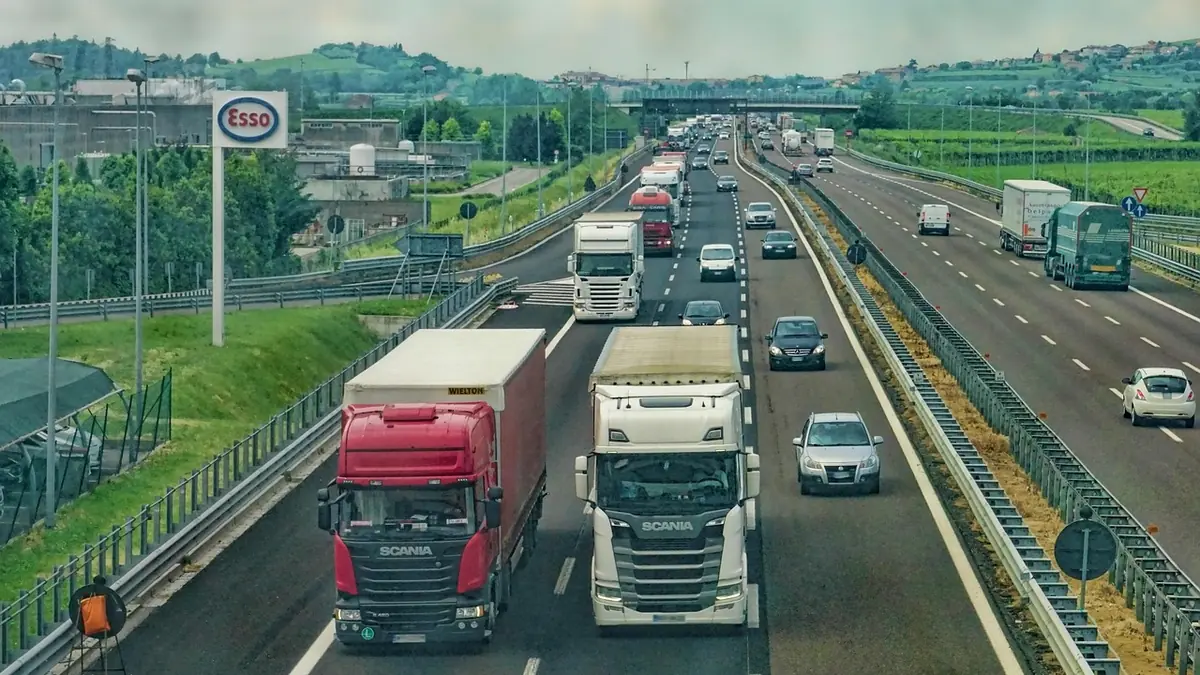
If you are an Italian resident, you receive a traffic fine in Switzerland: how the notification, payment in CHF and administrative appeal rights work.
Context
In a nutshell
- Italian resident who commits a road traffic offence in Switzerland receives official notifications to the Italian domicile
- Payment must be made in Swiss francs (CHF) by postal current account or bank transfer
- Failure to pay due to protest, forced execution and Swiss administrative registration
Key facts
- Chi: Italian frontier worker resident in Italy who drives in Switzerland
- What: Notification procedure for road fines, payment methods and right of appeal
- Where: Canton of Ticino and Swiss territory (Brogeda, Chiasso, Gaggiolo passes)
- When: Notification arrives within 30-60 days of assessment; payment within 30 days of receipt
- Consequence: Obligation to pay; free administrative appeal within the term
Every day thousands of Italian border workers cross the Ticino crossings to reach their place of work in Switzerland. Anyone who commits a traffic offence receives a notification of the relevant fine. But how exactly does the notification system work for an Italian resident? And what are the timing, methods of payment and consequences of non-payment?
The Swiss notification system for road traffic offences provides that the offending motorist receives an official communication from the competent authority (in Ticino, typically the Cantonal Police). If the offender is an Italian resident, the notification is transmitted to his domicile address in Italy through the
Operational details
Payment of the fine and methods of payment
Once the notification is received, the border crossing has several routes. The communication contains payment instructions. In Switzerland, the payment is typically made via Swiss Postal Bank Account (SPC) or bank transfer, using the details provided in the notification. The currency is the Swiss franc (CHF).
It is essential to pay within the indicated period, usually 30 days from receipt of the notification. An Italian resident frontier worker who has in euros must convert the amount into CHF. The EUR/CHF exchange rate varies daily; it is advisable to use the exchange rate on the day of payment offered by your bank.
If the payment is made by international transfer from Italy to Switzerland, the Italian bank may apply management fees. It is therefore useful to check with your institution which payment method is most convenient: Swiss postal current account, money order, or direct bank transfer.
Consequences of non-payment
Failure to pay by the deadline does not eliminate the debt; it aggravates it. The Swiss authorities are proceeding with progressively stricter enforcement actions. First, the unpaid fine is protested: the offender receives a notice of protest. If payment is not made within further deadlines, the Swiss credit is transferred to the enforcement bodies.
For a
Useful tools to protect your net income
To reduce FX leakage, compare CHF-EUR exchange options and banks for cross-border workers.
Key points
Step-by-step procedure: what to do concretely
If you are an Italian border worker residing in Italy and have received a notification of a Swiss traffic fine, here are the concrete steps to follow.
Step 1: Verify the authenticity of the notification. Official communication comes from a Swiss cantonal authority (Police, Traffic Office). It contains the logo, the address of the body, the protocol number, the data of the infringement with precise date and place. If the notification arrives in an abnormal form (unsolicited SMS, suspicious emails without an official header), contact the competent authority directly to verify.
Step 2: Collect documentation. If you believe that the infringement has been established incorrectly, gather documentary evidence: photographs of the place, certificates of presence elsewhere (travel receipts, cash reports), certificates of absence from Switzerland on the day and at the time indicated.
Step 3: Decide between payment and appeal. Within the indicated period (usually 30 days), you must decide whether to pay the fine or appeal. If you consider the infringement to be unfair, the appeal is free of charge and involves no additional costs. If you think it was an incorrect finding, recourse is the appropriate course. In case of legal doubts, it is advisable to consult a Swiss lawyer specialized in administrative road law.
Step 4: Administrative appeal (if you choose to appeal). Write a formal communication to the authority of
Evaluating a Ticino job offer? Simulate your net payslip: enter gross salary, marital status and municipality for a detailed breakdown.
Frequently Asked Questions
- If I receive a Swiss fine notice in Italy, am I obliged to pay it?
- Yes. Switzerland has administrative cooperation agreements with Italy. A traffic fine ascertained by the Swiss authorities is binding. Ignoring it leads to progressively more serious executive consequences: protest, forced execution, and registration in the Swiss administrative registers. Payment is mandatory or, alternatively, you can file an administrative appeal within the deadline indicated in the notification (usually 30 days).
- How long do I have to pay a Swiss traffic fine received in Italy?
- The standard deadline is 30 days from receipt of the notification. Switzerland assumes receipt of the communication even if the Italian resident does not collect it personally. It is essential not to miss the deadline, as non-payment triggers progressive enforcement procedures. If the term has already expired, you can still pay to avoid further consequences and permanent registration.
- Can I appeal against a Swiss traffic fine as an Italian resident?
- Yes. You have the right to file an administrative appeal within the time limit indicated in the notification (usually 30 days). The appeal must be forwarded to the competent cantonal appeal authority and must contain concrete reasons: error in the finding of the infringement, procedural violation, non-commission of the infringement, or irregularities in the notification. A Swiss lawyer specialising in administrative road law can assist you at no additional cost for the appeal itself.
- Can the unpaid Swiss traffic fine affect my Border G Permit?
- Indirectly yes. Even if a simple traffic fine does not automatically revoke the G Permit, a history of non-payment of Swiss administrative obligations can be considered by the competent authorities in case of renewal or modification of the permit. In addition, enforcement for administrative debts is recorded in the Swiss archives. It is therefore important not to ignore the fine and handle it promptly.
- How do I pay a Swiss traffic fine from Italy if I don't have a Swiss bank account?
- The notification contains the payment details: Swiss Postal Account Number (SPC) or Bank IBAN. From your Italian bank, you can make an international transfer to the indicated account. Check with your institution the fees applied. The currency is CHF, so your institution will apply the EUR/CHF exchange rate on the day of payment. Always keep the receipt of the payment as proof of payment.