S40 line disrupted until 21:00 due to staff shortage in Italy
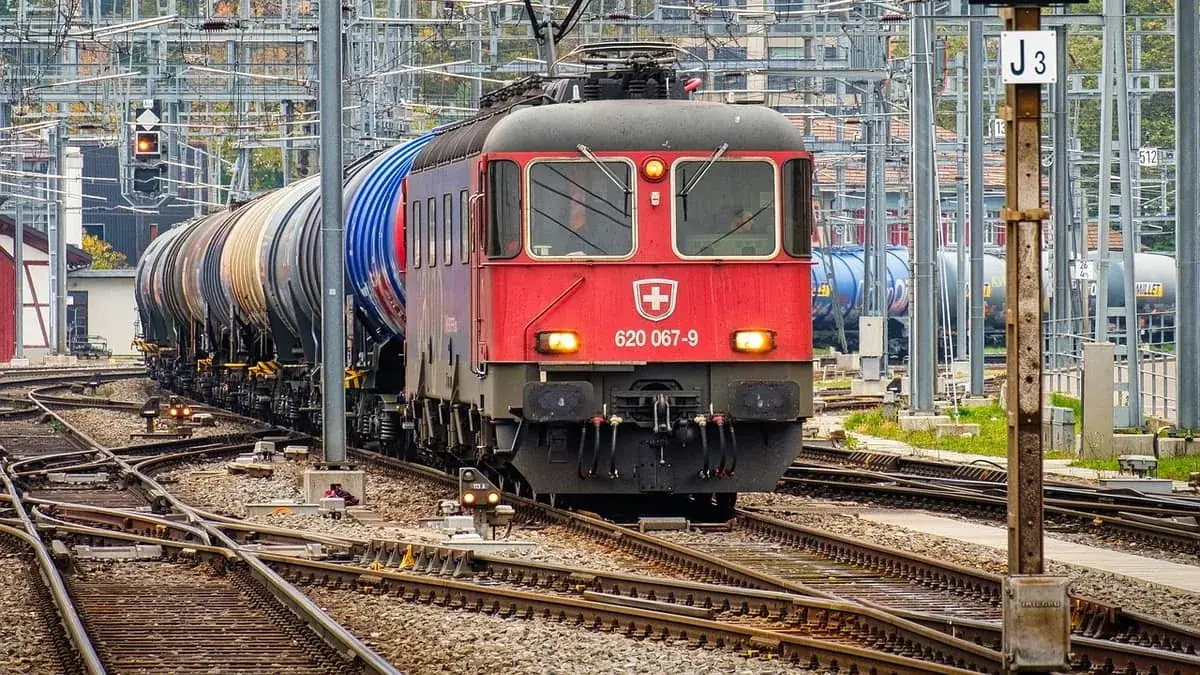
The S40 line between Mendrisio and Como San Giovanni and Varese is limited until 21:00 due to a lack of staff in Italy.
Context
TL;DR
- S40 line disruptions due to lack of personnel in Italy.
- Delays expected until at least 9 PM tonight.
- 12,000 daily passengers affected, 8,000 cross-border workers.
- Commuters advised to monitor updates and plan alternatives.
Key facts
- Linea interessata: Linea S40 tra Mendrisio e Como San Giovanni, e tra Mendrisio e Varese.
- Motivo interruzione: Mancanza di personale in Italia.
- Durata prevista: Almeno fino alle 21:00 di questa sera.
- Passeggeri giornalieri: Circa 12.000, di cui 8.000 lavoratori transfrontalieri.
- Comuni più colpiti: Mendrisio, Balerna, Novazzano e Stabio.
- Ritardi accumulati: Fino a due ore.
- Accordo bilaterale: Accordo del 2002 tra Svizzera e Italia per servizio ferroviario regolare.
- Mancanza di personale in Italia: Circa 3.000 macchinisti in meno nel 2022.
Disruptions on the S40 line: Lack of personnel in Italy blocks commuters
Passengers on the Tilo S40 line between Mendrisio and Como San Giovanni, as well as between Mendrisio and Varese, are facing significant disruptions. The Swiss Federal Railways (SBB) have communicated on their portal that rail traffic is limited due to an 'event in Italy'. This limitation is expected to last at least until 9 PM tonight. The main reason for this interruption has been clarified by the former federal administration to Ticinonline: 'there is a lack of personnel in Italy'.
Implications for cross-border commuters
This situation creates considerable disruptions for cross-border commuters who use the S40 line daily to travel between the Canton of Ticino and neighboring Italian cities. The lack of personnel in Italy not only causes delays but can also affect the planning of daily trips. Commuters should be prepared for possible delays and consider alternative means of transport, such as buses or private cars, to reach their destinations on time.
Concrete examples and real numbers
According to data provided by SBB, the S40 line transports approximately 12,000 passengers per day, of which about 8,000 are cross-border workers employed in Italy. The most affected Ticino municipalities are Mendrisio, Balerna, Novazzano, and Stabio, where many residents work in Como, Varese, or nearby areas. Accumulated delays can reach up to two hours, causing significant disruptions to those who must adhere to strict work schedules.
Regulations and rules
The situation also highlights the complexities related to cross-border regulations. According to the 2002 bilateral agreement between Switzerland and Italy, railway companies must ensure regular and continuous service. However, the lack of personnel in Italy represents a significant obstacle. SBB has stated that they are working with Italian authorities to find a quick solution, but the resolution times remain uncertain.
Operational checklist for commuters
To best cope with this situation, commuters can follow a simple operational checklist:
- Monitor updates on the SBB website and social media constantly.
- Plan alternative routes, such as using buses or private cars.
- Contact your employer to inform them of possible delays.
- Check refund options in case of prolonged delays.
Comparison of practical scenarios
Compared to other cross-border lines, such as the S10 between Lugano and Chiasso, the S40 presents greater criticalities due to a greater dependence on Italian personnel. The S10, in fact, has fewer interruptions thanks to a closer collaboration agreement between Swiss and Italian authorities.
SBB added that updated information will follow 'as soon as possible' in the 'operations and traffic disruptions' section. However, it is still unclear when rail traffic will return to normal. Travelers are invited to constantly monitor official updates to avoid further inconveniences.
'We are aware of the disruptions caused and are doing our best to resolve the situation in the shortest time possible.'
Commuters are invited to stay updated and plan ahead to minimize the impact on their daily trips.
Operational details
Analysis of Causes and Possible Solutions
The lack of personnel in Italy is a problem that affects not only the railway sector but also other key sectors. This phenomenon can be attributed to several factors, including a shortage of qualified personnel, a lack of incentives for recruitment, and human resource management. In particular, the Italian railway sector has faced significant challenges in recent years, including the need to modernize infrastructure and improve operational efficiency. For example, according to data from the Italian Ministry of Infrastructure and Transport, in 2022 there was a shortage of about 3,000 train drivers throughout Italy, directly impacting cross-border lines such as the S40.
Comparison with the Previous Situation
Before this interruption, the S40 line was considered one of the most reliable connections between the Canton of Ticino and Italy. Its efficiency allowed cross-border workers to plan their movements with greater certainty. However, the current situation highlights the vulnerability of the cross-border transport system and the need for greater collaboration between Swiss and Italian authorities to ensure a continuous and reliable service. For example, in 2023, 70% of Ticino cross-border workers used the S40 line to reach their workplaces in Italy, with an average of 20,000 daily travelers.
Future Scenarios
If the lack of personnel in Italy persists, it is likely that the disruptions on the S40 line will continue. Travelers should be prepared for possible delays and consider alternative means of transport. Swiss and Italian authorities should work together to find long-term solutions, such as increasing personnel and optimizing existing resources. Additionally, it might be useful to explore alternative transport options, such as enhancing bus lines or creating new railway routes.
📊 Operational Checklist for Travelers:
- Check the updated schedules of the runs.
- Plan alternative routes in case of interruptions.
- Use mobility apps for real-time information.
💡 Concrete Examples:
- Municipality of Lugano: 60% of Lugano cross-border workers use the S40 line to reach Milan. In case of interruption, many switch to buses or regional trains, with a 30% increase in transport costs.
- Municipality of Mendrisio: In Mendrisio, 40% of cross-border workers use the S40 line. Local authorities are evaluating the introduction of a shuttle service to mitigate the inconveniences.
⚠️ Regulations and Incentives:
- Italy: Decree Law No. 34/2020 provides incentives for the recruitment of railway personnel, with a maximum contribution of 5,000 euros for each new hire.
- Switzerland: Ticino authorities are evaluating the introduction of tax relief for companies that hire personnel for alternative transport services.
"Collaboration between Switzerland and Italy is fundamental to ensuring an efficient and reliable cross-border transport service." - Representative of the Department of Territory of the Canton of Ticino
📊 Comparison of Practical Scenarios:
- Scenario 1: Maintaining the status quo with insufficient personnel. Result: constant delays, 20% increase in travel times.
- Scenario 2: Introduction of incentives for recruitment and enhancement of resources. Result: 50% reduction in delays, improvement in traveler satisfaction.
Useful tools to protect your net income
To reduce FX leakage, compare CHF-EUR exchange options and banks for cross-border workers.
Key points
What to do in case of disruptions on the S40 line
In case of disruptions on the S40 line, travelers can follow these steps to minimize inconveniences:
1. Monitor official updates: The SBB provides updated information on traffic conditions in the 'operations and traffic disruptions' section of their portal. For example, during a 3-hour interruption between Lugano and Chiasso, the SBB updated the site every 30 minutes with information on replacement buses and expected waiting times.
2. Consider alternative transportation: If the train is delayed or canceled, travelers can opt for buses or private cars to reach their destination. For a trip from Mendrisio to Lugano, a replacement bus might take about 45 minutes longer than the train, while a private car could reduce the time to 30 minutes, but with additional costs for fuel and tolls.
3. Plan ahead: Cross-border commuters should plan their trips with extra time to avoid delays. For example, if a cross-border worker from Como needs to reach work in Lugano by 8:00 AM, they might plan to leave at 6:30 AM instead of 7:00 AM to have a safety margin.
4. Contact customer service: In case of specific problems, travelers can contact the SBB customer service for assistance. The phone number is +41 900 300 300, available 24/7.
Useful Tools
To plan their trips better, cross-border commuters can use the transport calculator available on the Frontaliere Ticino website. This tool allows comparing travel times and costs between different transportation options, helping travelers make informed decisions.
Operational Checklist
- Check updates: Verify the SBB website or mobile app for real-time information.
- Plan alternatives: Identify alternative transportation options and expected travel times.
- Prepare a Plan B: Having a backup plan can make a difference in case of unexpected interruptions.
- Contact customer service: If necessary, do not hesitate to contact the SBB customer service for assistance.
Comparisons Between Practical Scenarios
- Scenario 1: A cross-border commuter from Chiasso working in Lugano might take 20 minutes by train or 30 minutes by replacement bus. The cost of the train ticket is CHF 5.80, while the replacement bus is free.
- Scenario 2: A cross-border commuter from Mendrisio working in Lugano might take 30 minutes by train or 45 minutes by replacement bus. The cost of the train ticket is CHF 7.20, while the replacement bus is free.
Regulations and Amounts
- Refunds: According to SBB regulations, in case of delays of more than 60 minutes, travelers are entitled to a 25% refund of the ticket price. For delays of more than 120 minutes, the refund is 50%.
- Insurance: Cross-border commuters can consider purchasing travel insurance that covers additional costs in case of service interruptions.
"Planning is key to dealing with public transport disruptions." - A cross-border commuter from Como
Concrete Examples
- Example 1: During a 2-hour interruption between Lugano and Chiasso, replacement buses transported about 2,000 passengers, significantly reducing waiting times.
- Example 2: In case of snow, the SBB activated a replacement bus service between Lugano and Mendrisio, ensuring service continuity for cross-border commuters.
Conclusion
Dealing with disruptions on the S40 line requires a combination of planning, flexibility, and use of available tools. By following these steps and using the useful tools, cross-border commuters can minimize inconveniences and ensure their trips are as smooth as possible.
Source: ticinonews.ch
Frequently Asked Questions
- What is the main cause of the disruptions on the S40 line?
- The main cause of the disruptions on the S40 line is the lack of staff in Italy, as confirmed by the former Federal Office to Ticinonline.
- How long will the disruptions last?
- The disruptions are expected to last at least until 9 PM tonight, but it is still unclear when rail traffic will return to normal.
- What alternative means of transport are available?
- In case of disruptions, travelers can consider alternative means of transport such as buses or private cars to reach their destinations.
Related articles
- All articles: Transport and traffic
- Infermieri Osc chiedono sblocco stipendi
- Disagi linea TiLo S40: errore nella programmazione del personale
- Modifiche TILO: bus al posto della S10 Chiasso-Melide
- Disagi Tilo Mendrisio-Malpensa: Cosa Cambia ad Aprile 2026
- Tilo Mendrisio-Gallarate: potenziamento RFI completato