Ticino Police: Zali confirms, project not shelved
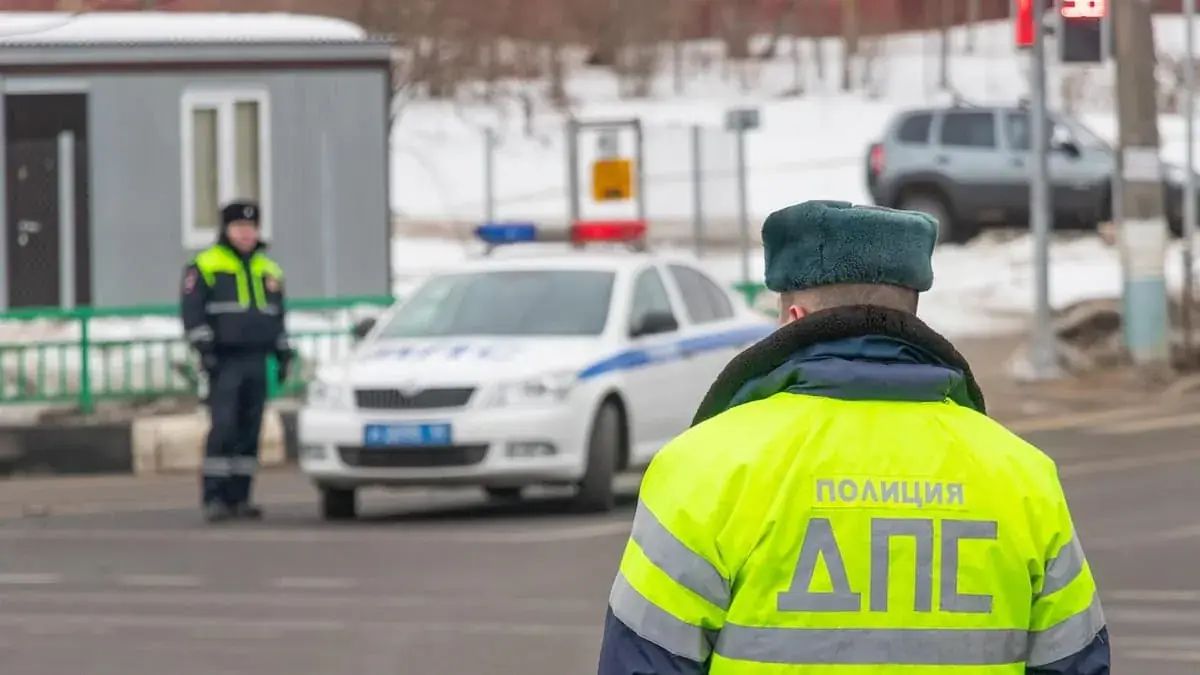
State Councillor Claudio Zali clarifies that the Ticino Police project has not been discarded, but remains one of the possible solutions.
Context
In brief
- Ticino Police project not discarded
- Zali: remains a possible solution
- Municipalities critical of the project
Key facts
- What: Ticino Police project
- When: Consultation concluded this morning
- Where: Canton Ticino
- Who: State Council and Municipalities
- Amount: Not specified
Councilor of State Claudio Zali clarified that the Ticino Police project has not been discarded or shelved. In an interview with Ticinonews, Zali explained that the work has been done and now we are entering the decision-making phase. The project, which represents a softer alternative to the Single Police dossier, remains one of the possible solutions for the future of the Police in Ticino. Together with maintaining the current situation or further centralization efforts towards a Single Police, the Ticino Police project remains on the table. The final decision will be up to the Grand Council, which will eventually have to adopt the legal amendments proposed by the State Council.
The project was advanced when the political responsibility of the Police was held by Norman Gobbi. Gobbi criticized the Municipalities for not wanting to be actively involved in a necessary reform process to manage an essential service like public security, but also to contain costs.
…
Operational details
Analysis of Implications
The Ticino Police project, although not discarded, has sparked various reactions among the municipalities. The State Council's decision to conclude the project phase without proceeding with the immediate development of the project has raised questions about the future directions of police reform in Ticino.
Current Scenario
Currently, the police in Ticino consists of a cantonal police force and municipal police departments. The Ticino Police project aims to optimize tasks and resources between these two structures. However, the municipalities have shown resistance to this project, preferring to maintain the current situation or explore other solutions.
Possible Future Developments
Zali indicated that there are three possible solutions for the future of the police in Ticino: maintaining the current situation, proceeding with further centralization towards a single police force, or adopting the Ticino Police project. The final decision will be up to the Grand Council, which will have to evaluate the proposals of the State Council.
Implications for Cross-Border Workers
Cross-border workers who work in Ticino may be affected by any changes in the police structure. Greater centralization could lead to greater efficiency and coordination, but also to possible changes in procedures and services offered. It is important that cross-border workers stay informed about any developments and prepare for any changes in regulations and security services.
Comparisons with Other Regions
In other Swiss regions, such as the Canton of Zurich, single police models have been successfully implemented. These models could offer interesting insights for Ticino, but it is important to consider local specifics and the needs of the municipalities.
…
Key points
Concrete actions for cross-border workers
For cross-border workers who wish to stay informed and prepare for potential changes in the structure of the Police in Ticino, there are several concrete actions they can take.
Monitor official announcements
The State Council and the Grand Council will publish official announcements regarding future decisions on the police reform. It is important to monitor these announcements to stay up-to-date with the latest news.
Participate in public consultations
Cross-border workers can participate in public consultations and communal discussions to express their opinions and concerns about the police reform. This can help ensure that their voices are heard and considered in the decision-making process.
Prepare for potential changes
It is important for cross-border workers to prepare for potential changes in the procedures and services offered by the Police. This may include familiarizing themselves with new regulations and understanding how these could affect their daily lives.
Use useful tools
To stay informed about the latest news and information regarding the police reform in Ticino, cross-border workers can use tools such as the salary calculator and the permit comparator. These tools can help better understand the practical implications of future decisions and prepare accordingly.
Conclusion
The police reform in Ticino is a complex process that requires the active participation of all stakeholders, including cross-border workers. Staying informed, participating in public consultations, and preparing for potential changes are important steps to ensure a smooth transition and greater efficiency in public security management.
Source: ticinonews.ch
Frequently Asked Questions
- What are the three possible solutions for the future of the Police in Ticino?
- The three possible solutions for the future of the Police in Ticino are maintaining the current situation, proceeding with further centralization towards a single Police force, or adopting the Ticino Police project. The final decision will be up to the Grand Council.
- What did Karin Valenzano Rossi say about the Ticino Police project?
- Karin Valenzano Rossi, head of the Department of Security and Urban Spaces of Lugano, welcomed the State Council's decision to stop the project, calling it 'born bad, continued worse, and ended in a document that only received criticism'. She stated that the municipalities are willing to discuss any adaptations and improvements, but in a participatory manner.
- What did Felice Dafond say about the Government's statement?
- Felice Dafond, president of the Association of Ticino Municipalities (ACT), received the Government's statement 'with a bitter taste', criticizing the 'lack of communication and open, frank, and constructive dialogue'. He emphasized that the issue of coordinating competencies is and remains on the table and must be constantly improved.
Related articles
- All articles: Safety and crime
- Caso Zali: il Ticino riparte, focus sul lavoro
- Piccaluga: «Con l'UDC dialogo aperto, Norman e Claudio due anime diverse»
- Riforma polizia Ticino: progetto fermo
- Ticino: blocco ristorni in discussione per tensione con Italia
- Polizia Ticino: progetto abbandonato dopo opposizioni