Ticino construction sector withstands investment and geopolitical challenges
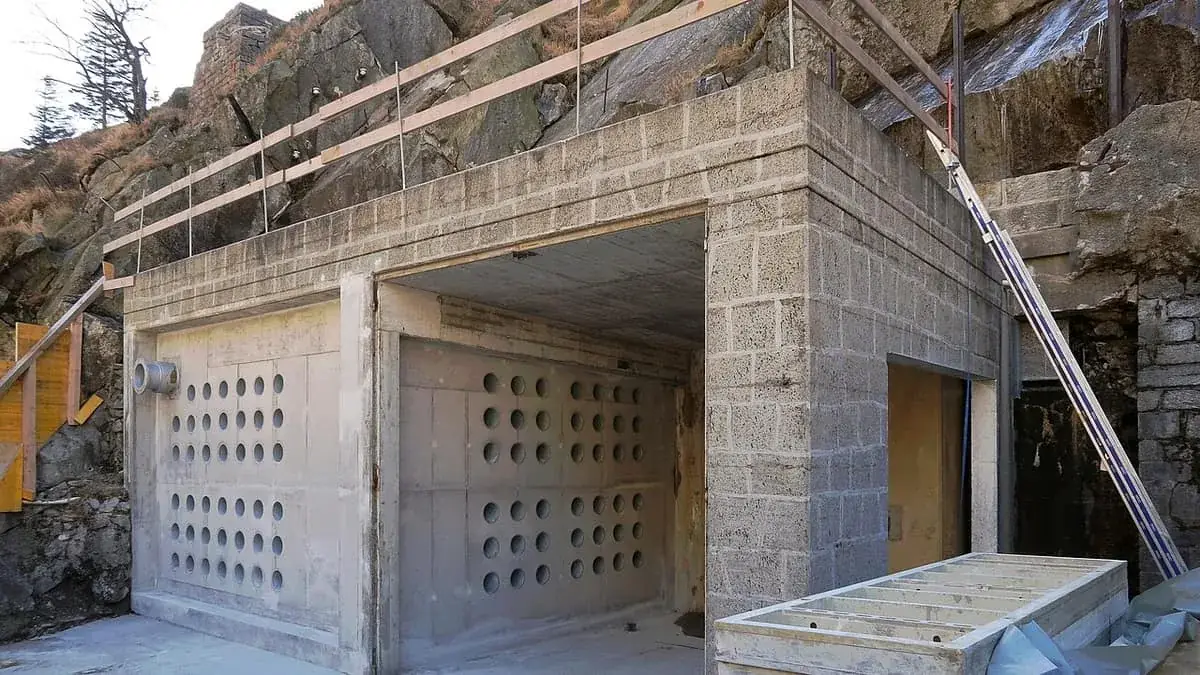
The Ticino construction sector holds up despite challenges, with 3 billion francs in turnover and 5,500 workers. Labor reserves are at 5 months.
Context
In brief
- Ticino construction sector resists with 3 billion in turnover
- Work reserves at 5 months
- Geopolitics impacts material supply
Key facts
- What: SSIC Ticino balance sheet
- When: Recently presented
- Where: Lugano
- Who: Swiss Society of Construction Entrepreneurs (SSIC) Ticino
- Amount: 3 billion francs in turnover
- Workers: 5,500
- Companies: 300
- Work reserves: 5 months (construction), 3 months (civil engineering)
The Ticino construction sector shows remarkable resilience despite the numerous challenges it is facing. This is what emerges from the balance sheet presented by the Ticino section of the Swiss Society of Construction Entrepreneurs (SSIC) in Lugano. The sector, which includes 300 companies and 5,500 workers, recorded a total turnover of 3 billion francs. Work reserves amount to 5 months for construction, while civil engineering is under pressure with only 3 months of reserves.
Public investments and geopolitics
The president of SSIC Ticino, Massimo Cereghetti, emphasized the importance of maintaining public investments to ensure market stability. "On the one hand, we ask not to reduce investments, which give security to our market. An investment that is eliminated today creates higher costs in the long run," Cereghetti declared. Furthermore, he hoped for faster decisions on the construction law, which has been pending for 6 years, to speed up construction applications and reduce appeals.
The director of SSIC Ticino, Nicola Bagnovini, highlighted the impact of geopolitical instability on the supply of materials, transport, and energy. "Geopolitical instability weighs especially on the supply of materials, transport, energy, and is a very impactful factor. This is especially true for medium-small construction sites, of short duration, which cannot pass these additional costs on to the final bill to the client," explained Bagnovini. Companies have to bear sudden cost increases, such as a 30% increase in a few weeks.
Generational change and future
Another significant challenge is generational change. According to SSIC data, in 2024 only 10 heads under the age of 29 were present in the sector. The vice-president of SSIC, Fabrizio Bellini, explained that, despite good salary conditions, many young people prefer professions that seem more fulfilling and quiet. "We are attractive because we offer good salary conditions, but it is still hard work," Bellini declared.
Despite the challenges, SSIC looks to the future with optimism. "We have the deadline of 2029, after which it will no longer be possible to deduct maintenance expenses. I believe that in these years, those who want to intervene on their building will do so. And this will be a stimulus for medium-small companies," added Bagnovini. In the public sector, it is hoped that the situation will improve, especially for finances, and that there will be the courage to invest and maintain current employment.
Operational details
Practical Implications for Cross-Border Workers
The challenges of Ticino's construction sector have direct implications for cross-border workers employed in the industry. With labor reserves at 5 months for construction and 3 months for civil engineering, it is crucial for workers to be aware of the market's opportunities and challenges.
Job Opportunities
Cross-border workers seeking employment in Ticino's construction sector can find opportunities in various areas, thanks to the market's stability. However, it is important to consider that medium-sized and small enterprises might struggle to manage additional costs derived from geopolitical instability. This could influence job availability and contractual conditions.
Impact of Additional Costs
The increase in material and transportation costs could affect salaries and working conditions. Cross-border workers must be prepared to negotiate contracts that account for these factors. Additionally, the need for faster decisions on construction applications could influence project planning and, consequently, job stability.
Generational Turnover and Training
Generational turnover represents a significant challenge for the sector. Younger cross-border workers might find opportunities for training and professional growth but must be aware that the sector requires commitment and physical resilience. Companies might offer training programs to attract young professionals and ensure the sector's continuity.
Public Investments and Employment
Public investments are crucial to maintaining market stability and employment. Cross-border workers should monitor public authorities' decisions and actively participate in discussions to ensure that investments are directed towards projects that create jobs and improve working conditions.
Useful tools to protect your net income
To reduce FX leakage, compare CHF-EUR exchange options and banks for cross-border workers.
Key points
Concrete actions for cross-border workers
For cross-border workers who work or intend to work in the Ticino construction sector, it is essential to adopt a series of concrete actions to face challenges and seize opportunities.
Monitor job opportunities
Cross-border workers must constantly monitor job opportunities in the construction sector. It is useful to register on job search platforms and participate in job fairs to stay updated on the latest offers. Additionally, it is important to maintain an updated professional profile on platforms like LinkedIn to attract the attention of employers.
Negotiate fair contracts
Given the instability of material and transport costs, it is fundamental for cross-border workers to negotiate contracts that take these factors into account. It is useful to consult a lawyer or a labor consultant to ensure that the contracts are fair and protect workers' rights. Additionally, it is important to monitor working conditions and company policies to ensure they are in line with local regulations.
Participate in training programs
Younger cross-border workers can benefit from participating in training programs offered by construction companies. These programs can provide specific skills and improve career opportunities. It is useful to contact local companies for information on available training programs and participation requirements.
Monitor public investments
Cross-border workers must monitor public investments in the construction sector and actively participate in discussions to ensure that investments are directed towards projects that create jobs and improve working conditions. It is useful to participate in public meetings and consultations to express opinions and influence the decisions of public authorities.
Use useful tools
For cross-border workers looking for updated information on the labor market and training opportunities, it is useful to use tools such as the salary calculator and the permit comparator. These tools can provide valuable information on working conditions and opportunities available in the Ticino construction sector.
Source: ticinonews.ch
Frequently Asked Questions
- What are the main challenges for the Ticino construction sector?
- The main challenges for the Ticino construction sector include geopolitical instability affecting the supply of materials, transport, and energy, and the need for faster decisions on construction applications. Additionally, generational turnover is a significant challenge to ensure the continuity of the sector.
- How can cross-border workers find job opportunities in the Ticino construction sector?
- Cross-border workers can find job opportunities in the Ticino construction sector by constantly monitoring job offers, attending job fairs, and keeping their professional profile updated on platforms like LinkedIn. Additionally, it is useful to consult local companies for information on available training programs.
- What are the practical implications of geopolitical instability for cross-border workers?
- Geopolitical instability can influence the costs of materials and transport, which in turn can affect wages and working conditions. Cross-border workers should be prepared to negotiate contracts that take these factors into account and monitor working conditions to ensure they are in line with local regulations.