Italian mayors oppose Lake Maggiore rise
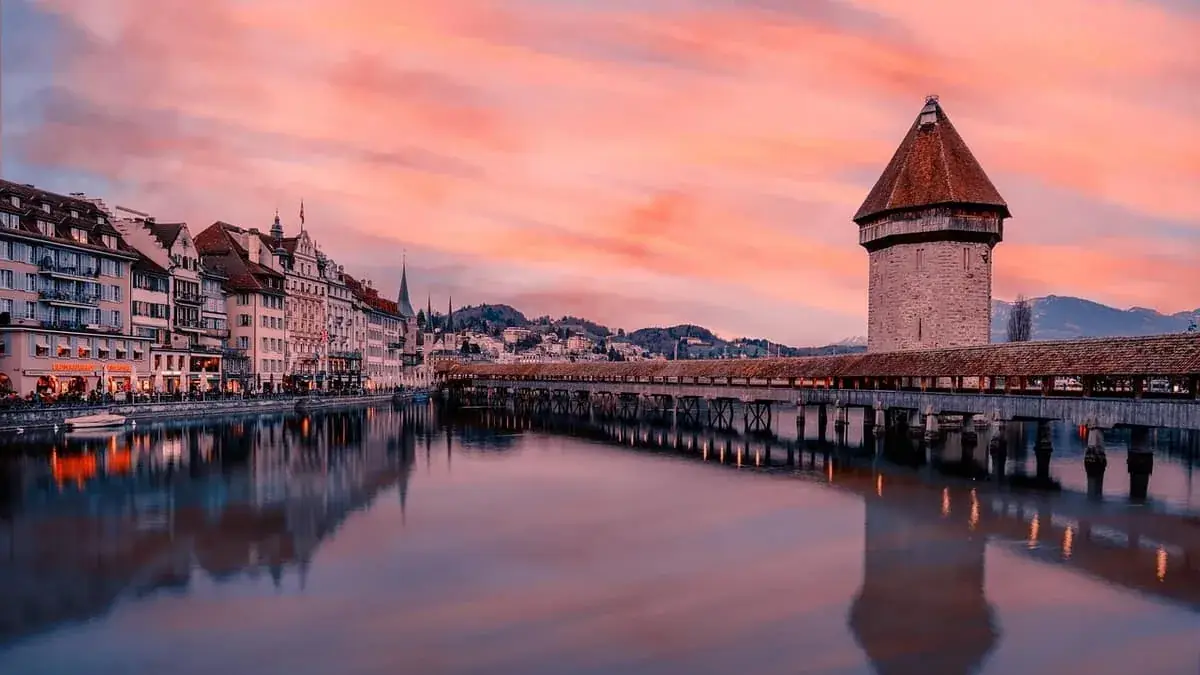
The mayors of Verbania, Baveno, and Cannobio criticize the decision to raise Lake Maggiore's maximum level to 1.40 meters.
Context
In brief
- Mayors of Verbania, Baveno, and Cannobio oppose the rise of Lake Maggiore
- Maximum level raised to 1.40 meters above zero hydrometric
- Criticism for damage to tourism and local economy
Key facts
- What: Raising the maximum level of Lake Maggiore
- When: Recent decision, not yet specified
- Where: Lake Maggiore, border between Italy and Switzerland
- Who: Mayors of Verbania, Baveno, and Cannobio
- Amount: 1.40 meters above zero hydrometric
The mayors of Verbania, Giandomenico Albertella, Baveno, Alessandro Monti, and Cannobio, Gianmaria Minazzi, have expressed strong opposition to the decision to raise the maximum level of Lake Maggiore to 1.40 meters above the zero hydrometric level of Sesto Calende. This choice represents an increase of 15 centimeters compared to the previous threshold. The mayors define the decision as 'wrong and not shared with the territory,' arguing that 'one hundred and forty centimeters above zero hydrometric is a wrong choice' compared to the historical threshold of 100 centimeters managed for decades. According to the mayors, this increase will cause significant damage to tourism and the local economy, reducing the beaches, one of the main attractions of the lake.
Criticism of communication methods
The mayors also protest the way the decision was communicated. 'A process conducted predominantly at a technical level by the Po River Basin Authority, with the support of the irrigation needs of the Po Valley, without adequate protection of the interests of the riverside territories and without the effective involvement of the local administrations most directly affected,' they state. According to the mayors, the Piedmont Region has not exercised its role of representation with sufficient firmness, effectively excluding them from the decision-making venues. The mayors have announced that they will continue to oppose the decision through all available legal and political means.
Implications for cross-border workers
For cross-border workers living along the shores of Lake Maggiore, this decision could have a significant impact. The beaches, often frequented by residents and tourists, could be reduced, influencing local economic activities. Additionally, the rise in the lake's level could affect coastal infrastructure, requiring possible maintenance or adaptation interventions.
Comparison with the previous situation
Before this decision, the maximum level of Lake Maggiore was managed at 100 centimeters above the zero hydrometric level. The increase to 1.40 meters represents a significant change that could have long-term repercussions on the local ecosystem and economy. The mayors emphasize that the historical threshold had been managed for decades without problems, suggesting that the current decision might not be necessary.
What if...
If the decision is maintained, the mayors fear that the negative consequences for tourism and the local economy could be irreversible. The beaches, which attract numerous visitors every year, could become less accessible or less attractive, reducing the flow of tourists and, consequently, the economic income for the local communities. Furthermore, the rise in the lake's level could cause damage to coastal infrastructure, increasing maintenance and adaptation costs for local administrations.
Opposition procedure
The mayors have announced that they will continue to oppose the decision through all available legal and political means. This could include legal appeals, petitions, and awareness campaigns to involve the community and regional and national authorities. The goal is to obtain a review of the decision or, at least, greater involvement of local administrations in future decisions regarding Lake Maggiore.
Tools and resources
For cross-border workers interested in monitoring the situation or participating in opposition initiatives, it is possible to consult the websites of the municipalities of Verbania, Baveno, and Cannobio for further information and updates. Additionally, it is possible to contact the local administrations directly to express concerns and suggestions.
Conclusion
The decision to raise the maximum level of Lake Maggiore to 1.40 meters has sparked strong opposition from the mayors of Verbania, Baveno, and Cannobio. The main concerns are the damage to tourism and the local economy, as well as the lack of involvement of local administrations in the decision-making process. The mayors have announced that they will continue to oppose the decision through all available legal and political means, inviting the community to join their cause.
Operational details
Analysis of Economic Implications
The rise in the level of Lake Maggiore could have a significant impact on the local economy, particularly on the tourism sector. The beaches, which are one of the main attractions of the lake, could be reduced, decreasing the number of visitors and, consequently, the economic income for local communities. This could have a cascading effect on commercial activities such as restaurants, shops, and rental services, which depend on the flow of tourists for their survival.
Environmental Impact
In addition to the economic implications, the rise in the level of the lake could have an environmental impact. Coastal areas could suffer from erosion, and local flora and fauna could be affected. Furthermore, the rise in the level of the lake could increase the risk of flooding in some areas, requiring protective and adaptive measures.
Comparison with Other Regions
To compare the situation of Lake Maggiore with other regions, it is useful to consider how other coastal areas manage the levels of their lakes and rivers. For example, Lake Como has a similar management, with levels regulated to balance the needs of irrigation and protection of coastal areas. However, each lake has unique characteristics that require specific approaches.
Future Scenarios
If the decision to raise the level of Lake Maggiore is maintained, local communities will have to adapt to the new conditions. This could include the construction of protective barriers, the requalification of beaches, and the promotion of alternative tourist activities. However, these measures would require significant investments and time to be implemented.
Involvement of Authorities
It is essential that regional and national authorities listen to the concerns of local administrations and actively involve communities in the management of Lake Maggiore. This could include the creation of joint working groups, the realization of impact studies, and the promotion of public participation initiatives.
Monitoring Tools
To monitor the evolution of the situation, tools such as the lake level calculator and the economic impact comparator can be used. These tools can help better understand the implications of decisions and evaluate the available options.
Conclusion
The rise in the level of Lake Maggiore represents a complex challenge that requires a balanced and participatory approach. It is essential that authorities, local administrations, and communities work together to find solutions that balance the needs of irrigation, the protection of coastal areas, and economic and environmental sustainability.
Recommended tools
For an updated estimate, use the net salary calculator and the CHF-EUR exchange comparator.
Key points
Concrete actions for cross-border workers
For cross-border workers living along the shores of Lake Maggiore, it is important to be informed and involved in the decision-making process. Here are some concrete actions they can take:
1. Stay informed: Consult the websites of the municipalities of Verbania, Baveno, and Cannobio for updates and detailed information on the situation. 2. Participate: Attend public meetings and awareness-raising initiatives organized by local authorities. 3. Express your concerns: Contact the mayors and regional authorities directly to express your concerns and suggestions. 4. Use monitoring tools: Utilize tools such as the lake level calculator and the economic impact comparator to monitor the evolution of the situation.
Deadlines and procedures
Local authorities are working to define a schedule of meetings and initiatives to engage the community. It is important to stay updated on these deadlines and actively participate in the discussions.
Tools and resources
For further information and resources, you can consult the following tools:
- Lake level calculator
- Economic impact comparator
- Guides for public participation
Conclusion
The rise in the level of Lake Maggiore represents a significant challenge for local communities and cross-border workers. It is essential that everyone is informed, involved, and ready to actively participate in the decision-making process. By using the available tools and resources, it is possible to monitor the evolution of the situation and contribute to finding sustainable and participatory solutions.
Source: ticinonews.ch
Frequently Asked Questions
- What are the main concerns of the mayors regarding the rise of Lake Maggiore?
- The mayors of Verbania, Baveno, and Cannobio are concerned about the damage to tourism and the local economy caused by the rise in the lake's water level. They argue that the beaches, one of the lake's main attractions, will be reduced, negatively impacting local economic activities. Additionally, they criticize the lack of involvement of local administrations in the decision-making process.
- What can cross-border workers do to oppose the decision?
- Cross-border workers can inform themselves through the websites of the affected municipalities, participate in public meetings and awareness initiatives, express their concerns directly to the mayors and regional authorities, and use monitoring tools such as the lake level calculator and the economic impact comparator.
- What are the environmental implications of the rise of Lake Maggiore?
- The rise in the lake's water level could cause erosion of coastal areas, affect local flora and fauna, and increase the risk of flooding in some areas. These impacts require protective and adaptive measures to mitigate environmental damage.
Related articles
- All articles: Taxes
- Via libera all'innalzamento del Lago Maggiore fino a 1,40 metri
- Lago Maggiore sale: +15 cm, timori per l'ambiente
- 25 cm in più per il Lago Maggiore: cosa cambia per i frontalieri
- Innalzamento Lago Maggiore: impatti economici e ambientali
- Lago Maggiore: accordo Italia-Svizzera per più acqua in primavera