Living in Albizzate and working in Ticino: guide 2026
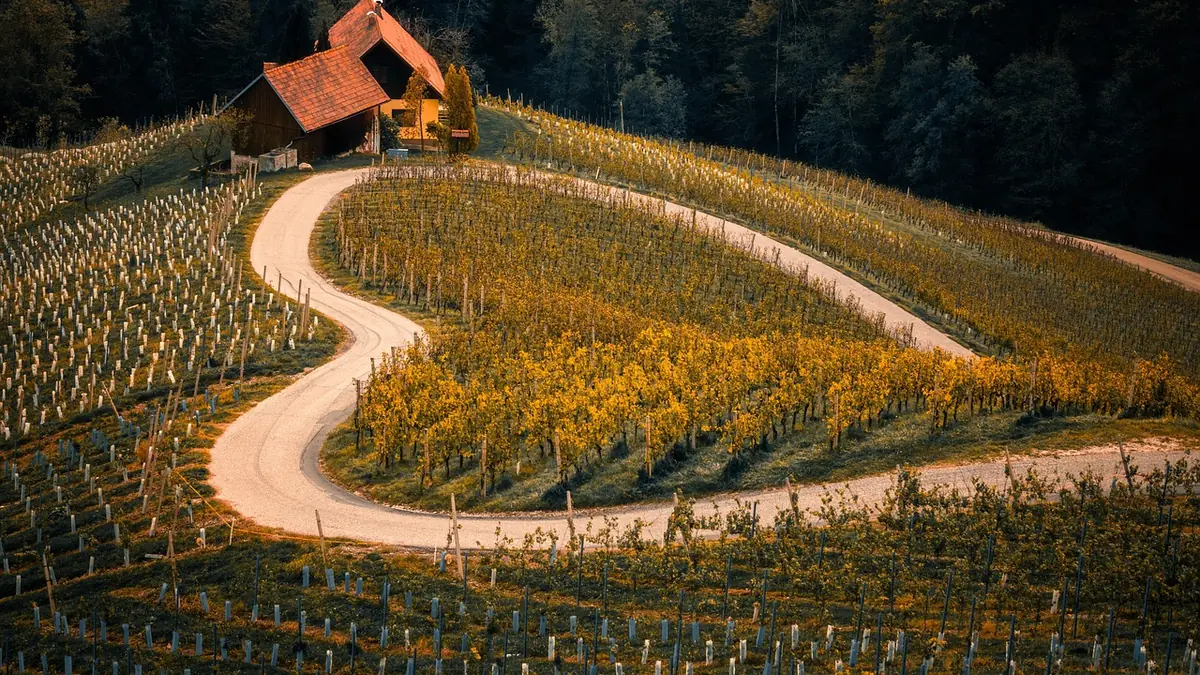
Permit G, taxation, AVS and LAMal: everything that changes from 1 January 2024 for border crossers Albizzate-Ticino.
Context
In a nutshell
- New Frontier Agreement in force from 1 January 2024
- Tax at source withheld ONLY in Switzerland for frontier workers
- Excess €10,000 for new frontier workers (from 23/12/2020)
- Permit G mandatory to work in Ticino
Key facts
- What: Tax and contribution regime for border workers Albizzate-Ticino
- When: Effective January 1, 2024 (New Agreement)
- Where: Albizzate (Italy) ↔ Ticino (Switzerland)
- Who: Employees with G Leave
- Deductible: €10,000 exempt income for new frontier workers
- Tax: Withholding tax in Switzerland, tax credit in Italy
The decision to live in Albizada and work in Ticino is an increasingly frequent choice for workers in the province of Varese. The Lombard town, located a few kilometers from the Swiss border, allows commuting to Italian Switzerland. But what rules govern the tax and contribution system?
The regulatory framework has changed significantly since 1 January 2024, the date of entry into force of the New Frontier Agreement signed on 23 December 2020 and ratified by Italy with Law 83 of 13 June 2023. This agreement has introduced relevant changes for those who start working in Ticino today.
To work in Switzerland from Albizada you need the G Permit, which allows an Italian citizen to enter and stay in Switzerland for work purposes. The duration is renewable annually; after five uninterrupted years you can request
Operational details
Border taxation: rates and deductibles from 2024
From 1 January 2024, the New Deal introduces a crucial distinction between 'old' and 'new' border guards. The 'old' frontier workers — those who already had the status before 17 July 2023 — retain an exemption of €7,500 per year, with transitional regime 2024–2033. After 2033, the exemption ceases.
The 'new' frontier workers — those who started after 17 July 2023, like those who decide today to move to Albizada — benefit from a more generous exemption: €10,000 of annual income exempt from tax at source in Switzerland. This exemption does not expire, unlike the previous regime. On higher incomes, the rate of tax at source varies by canton and municipality, typically around 7–9% at cantonal level.
AVS/LPP contributions and sickness coverage
On the Swiss paycheck, a border employee pays:
- AVS/AI/IPG (old-age pension, disability, unemployment benefit): 5.3% employee
- AD/AC (supplementary unemployment insurance, up to CHF 148'200): 1.1% employee
- LAINF (accident insurance): 0.7-1.5% employee
- LPP (second pillar, company pension fund): 7–18% according to age group (from 25 years)
For health coverage, a border crossing category G has the right of option: they can enroll in LAMal (Swiss health insurance) with CHF 300–2'500 deductibles for adults, or remain covered by the Italian system
Useful tools for your case
To verify your within/over 20 km tax scenario, use the net salary calculator and the tax return guide.
Key points
Action: Fiscal Management and Deadlines for the New Border Worker
If you have just started working in Ticino from Albizzate, the operational priorities are clear. The first is the registration with the INPS (National Institute of Social Security) as a border worker. You must notify the INPS that you are starting a job in Switzerland, allowing them to monitor your contribution paid to the Swiss system (AVS/LPP) and avoid conflicts between the two social security systems.
The second priority is the choice of health coverage. Within the first 30 days of work, you decide whether to enroll in a Swiss health insurance (LAMal) with a deductible of CHF 300–2'500 for adults, or to remain covered by the Italian system (CMI). Once chosen, it is advisable to maintain it for continuity of contract.
The third is the annual tax return. Every year, by May 31 (or telematic until November 30), you present the model 730 in Italy. In the CE box, you report the tax paid in Switzerland as a tax credit against the IRPEF. This mechanism ensures that you do not pay twice on the same income.
How the Fiscal Calculation Works for Border Workers
On an annual gross income, the CHF 10,000 exemption reduces the taxable amount in Switzerland. The cantonal rate (typically 7–9%) is applied to the residual. The tax withheld is calculated on the amounts exceeding the exemption at the local Swiss rates. In Italy, the tax credit related to the Swiss withholding reduces the tax due in the 730.
The advantage of the CHF 10,000 exemption (introduced by the New Agreement for new border workers) is significant: it represents a threshold below which you do not pay tax withheld in Switzerland, reducing the tax burden significantly in the first year of work and beyond.
Tools and Next Steps
To simulate your net income and understand the real impact of the CHF 10,000 exemption and the Ticino rates, use our salary calculator. This tool takes into account the exemption, Swiss rates, and Italian tax credit.
If you are evaluating the B Permit (permanent residence) as an alternative to the G Permit, compare the two options to understand which regime is more convenient in your specific case.
Immediate Action: Calculate your net salary as a border worker with the CHF 10,000 exemption and verify the economic advantage of the new 2024 regulation. This will allow you to assess whether the transfer to Albizzate to work in Ticino is really convenient.
Frequently Asked Questions
- How muchis the deductible for a new border worker working in Ticino?
- €10,000 of tax-exempt annual income at source in Switzerland. This deductible does not expire and is a novelty of the New Frontier Agreement in force from 1 January 2024. Border workers already active before 17 July 2023 maintain a lower exemption (€7,500) until 2033.
- Where do I pay taxes: in Italy or Switzerland?
- Tax at source is withheld ONLY from Switzerland. Italy does not apply a source tax. In declaration 730, report the Swiss tax paid as a tax credit (CE framework), which reduces the Italian tax. If the Swiss rate is already high, you often don't have to pay extra taxes in Italy.
- How does social security (AVS/LPP) work for a frontier worker?
- By paying your salary in Switzerland, you contribute to the AVS/AI/IPG (Swiss old-age pension, 5.3% employee) and the LPP (company pension fund, 7–18% according to age). You do not contribute to the Italian INPS. At retirement, you will receive annuity from the Swiss AVS. You can voluntarily pay into Swiss Pillar 3a.
- Can I choose to insure in Switzerland (LAMal) or stay in Italy (CMI)?
- Yes, it is a right of option for border workers in category G. You can sign up for Swiss health insurance (LAMal) with an excess of CHF 300–2'500 for adults, or stay in the Italian system (CMI). The choice must be communicated within 30 days of the start of the work and can be modified, but it is advisable to keep it for stability.
- What is the economic advantage of the €10,000 deductible?
- On the first €10,000 of gross income you do not pay tax at source in Switzerland. Beyond this amount, the cantonal rate (7–9%) is applied to the remainder. The tax credit in Italy completes the exemption from double taxation. For border workers with low-average incomes, it represents a significant advantage compared to the previous regime.