Living in Novedrate and working in Ticino
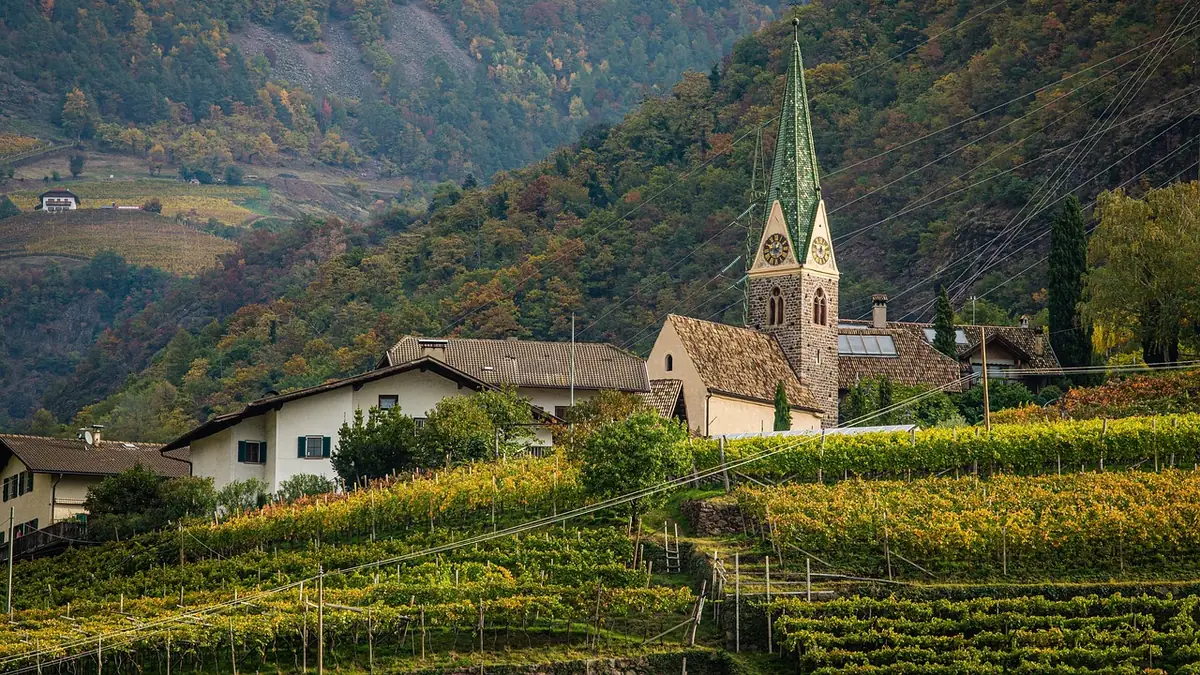
New Frontier Agreement, G permit, tax at source, AVS and LPP: the complete guide to living in Lombardy and commuting to Ticino.
Context
Brief Overview
- New Frontier Agreement in force from January 1, 2024
- Source tax only in Switzerland; Italian tax credit (730)
- G permit: option right for LAMal, AVS/LPP mandatory
- Exemption €10,000/year (new); exemption €7,500/year (old, 2024-2033)
Key Facts
- What: New Frontier Agreement between Switzerland and Italy on dependent employment taxation
- When: Entered into force January 1, 2024
- Where: Italian border municipalities and Canton Ticino
- Who: Frontier workers with G permit, Italian Revenue Agency, AFC/ESTV Swiss
- Exemption amount: €10,000/year (new frontier workers), €7,500/year (old, pre-July 17, 2023)
- Regulatory basis: Double taxation convention signed on March 9, 1976, ratified by Italy with Law 83 of June 13, 2023
- Transitional period: 2024-2033 (progressive exemption for old frontier workers)
The New Frontier Agreement between Switzerland and Italy, signed on December 23, 2020, and ratified by Italy with Law 83 of June 13, 2023, came into effect on January 1, 2024. For those living in Italian border municipalities like Novedrate and working in Canton Ticino, this treaty represents a crucial reform in managing dependent employment income taxation.
The agreement is based on the Convention to Avoid Double Taxation between the two countries, signed on March 9, 1976. Prior to 2024, the frontier workers' tax regime was fragmented and had different rules; today, a uniform system governs those living in Italy and receiving a Swiss salary, eliminating the overlap of taxations.
Source tax in Switzerland and Italian tax credit
The central mechanism is linear: the source tax is withheld ONLY in Switzerland on your dependent employment income. Italy does not apply a second parallel withholding. In the Italian 730 model, section CE, the frontier worker declares the gross income from Swiss employment and the source tax already paid, requesting a tax credit. The Italian Revenue Agency calculates the difference between the theoretical Italian IRPEF and the Swiss source tax; if the source tax is higher, the refund goes to the frontier worker; if the Italian IRPEF is higher, the frontier worker pays the balance.
This system avoids double taxation. The 1976 convention provides for this in principle; the New Agreement 2024 defines the calculation with administrative precision.
Frontier workers with a G permit (visa for those living in Italy and working in Switzerland) benefit from significant exemptions. New frontier workers (hired from July 17, 2023, onwards) enjoy a €10,000 annual exemption. Old frontier workers (already frontier workers before July 17, 2023) benefit from a transitional exemption of €7,500 per year from 2024 to 2033, which will decrease subsequently to zero. This temporary protection recognizes the position of those who had already settled with the previous regime.
Use the Frontier Ticino Calculator to check how the Swiss source tax affects your gross income and what refund the 730 should generate.
Operational details
The Economic Advantage: Living in Italy, Swiss Salary
Living in Novedrate and working in Ticino involves a tangible economic calculation. A border worker receives a gross Swiss salary, on which the employer applies mandatory social contributions: AVS/AI/IPG 5.3% (invalidity pension), AD/AC 1.1% (unemployment with CHF 148,200 annual ceiling), LAINF 0.7–1.5% (workplace accident insurance). In addition, the LPP (second-pillar pension fund) payment varies from 7% to 18% depending on the age group, from 25 years onwards.
If the same income were received as a resident in Italy, it would be subject to IRPEF: 23% up to €28,000; 33% from €28,001 to €50,000; 43% over €50,000, plus regional and municipal add-ons (around 3–5%). Comparing: a gross salary of CHF 60,000 (around €62,000 at the current exchange rate) in Switzerland is taxed by the AFC/ESTV (Federal Administration of Contributions) with the federal border tax rate; the same in Italy would involve at least 33% + 4% add-ons = 39% overall. The net difference is significant. The border worker living in an Italian border town saves taxes, as the New Agreement limits Italian taxation and applies the Swiss source primarily.
Italian Tax Declaration and Annual Refund
Every year, the border worker compiles the Italian model 730, section quadro CE (foreign resident, dependent work income with foreign source). Declares the annual gross income received in Switzerland, the tax already paid monthly in the pay slip, and requests the credit. The Revenue Agency compares: applies the corresponding IRPEF rate to the declared income, subtracts the source already paid, and determines whether there is a refund (tax credit) or a balance due. Refunds typically arrive between April and May for 730s submitted in February-March.
Border workers
Useful tools for your case
To verify your within/over 20 km tax scenario, use the net salary calculator and the tax return guide.
Key points
Administrative procedures: G permit and AVS registration
To start the Novedrate-Ticino commuter, the first step is to obtain the G permit. Do not request it directly: the Ticinese employer sends the request to the SEM (State Secretariat for Migration) through the digital SEM system. You provide the employer with the Italian residence certificate (issued by the Novedrate municipality), signed employment contract, front-back photocopy of the passport or identity card. The SEM processes the request in about 2-4 weeks; the permit legally allows you to live in Italy and work in Switzerland.
Once hired, you are automatically registered with the Swiss AVS during the first working day (the employer performs the procedure). You pay AVS/IPG/AI contributions of 5.3% as a dependent from the first paycheck (the employer pays around 50% in paritarian contributions). Your AVS insurance number will be a Swiss number; you do not keep the Italian INPS code for this income, although you maintain accumulated INPS contributions in previous periods if you have worked in Italy before becoming a frontaliere.
Operational checklist: steps for the first month
Weeks 1-2: Sign a contract with the Ticinese employer. The employer sends the SEM application for the G permit (provide documents: Novedrate residence certificate, passport copy, signed contract).
Weeks 3-4: G permit confirmed. Receive a letter or SMS notification from the SEM. Open an Italian bank account with an IBAN (optional but recommended to receive the salary) or communicate a Swiss IBAN to the employer if you have one.
First working day: Bring the original G permit (paper or screenshot of the SMS from the SEM), CMI Italian health card (if you maintain coverage), passport, Italian tax code. The employer registers your insurance number with the AVS at the competent Swiss institution. Documents related to LPP (pension fund according to the second pillar) and LAINF (accidents) insurance are also provided.
By the end of February: Fill out the Italian 730 model with the CE section (frontaliere income in Switzerland, tax already paid, request for tax credit).
May: Tax refund (if due) will be credited to the bank account indicated in the 730 (Italian or Swiss, at your choice).
By June: If you choose to opt for LAMal, communicate the choice to the chosen Swiss institution and provide the CMI Italian cancellation (recommended to avoid duplicate contributions).
Calculate your net salary in real-time with the Frontaliere Ticino calculator. Insert the expected annual gross amount and discover how much you will receive in the paycheck after the Swiss source withholding, as well as the tax refund the 730 should generate in April-May.
Frequently Asked Questions
- If I live in Novedrate and work in Ticino, in which country do I pay taxes?
- Tax at source is ONLY withheld in Switzerland on your employment income. Italy does not apply a double withholding tax. In the Italian 730 (EC framework), you request a tax credit: the Revenue Agency calculates whether you have paid more or less than the Italian personal income tax due, and reimburses you or asks for the balance. This mechanism avoids double taxation, as provided for by the Italian-Swiss Convention of 9 March 1976.
- What is the difference between "old" and "new" border guards in 2024?
- The "old frontier workers" (already such before 17 July 2023) enjoy a transitional exemption of €7.500/anno from 2024 to 2033. The "new frontier workers" (hired from 17 July 2023) have a €10.000/anno exemption from day one, with no time limit. After 2033, the old frontiersmen will pass the €10,000 deductible like everyone else.
- How does the G permit work for those who work in Ticino?
- The G permit is the visa for border workers. The Ticino employer requests it from the SEM (Secretariat of State for Migration) by providing documents: Italian residence certificate, signed contract, passport photocopy. SEM processes in 2–4 weeks. With the G, you live legally in Italy and work in Switzerland. You have the right of option for Swiss LAMal (health insurance) and you are automatically enrolled in the AVS (pension).
- How much do I pay in Swiss social contributions as a border worker?
- As a Swiss employee you pay: AVS/AI/IPG 5.3%, AD/AC 1.1% (ceiling CHF 148.200/anno), LAINF 0.7–1.5%. The employer pays approximately 50% in equal contributions. To these is added LPP (second pillar, pension fund) from 7% to 18% depending on your age (from 25 years onwards). All these contributions are deductible from Swiss taxable income.
- Is the new 2024 tax agreement final?
- Yes. The New Frontier Agreement entered into force on 1 January 2024 and is in force from 2024 to 2033 (at least for the transitional regime for old frontier workers). It was signed on 23 December 2020 and ratified by Italy with Law 83 of 13 June 2023. The deductible system (€10,000 new, €7,500 old) is stable and administered by means of an annual 730 declaration.
Related articles
- All articles: AVS and LPP pensions
- Vivere a Pusiano, lavorare in Ticino: guida del frontaliere
- Vivere a Valganna, lavorare in Ticino: Guida frontaliere
- Vivere a Barasso e lavorare in Ticino: guida frontaliere 2024
- Vivere a Lanzada e lavorare nei Grigioni da frontaliere
- Vivere a Cocquio-Trevisago da frontaliere ticinese: guida 2024