Living in Cocquio-Trevisago as a Ticino border worker: guide 2024 (cross-border guide)
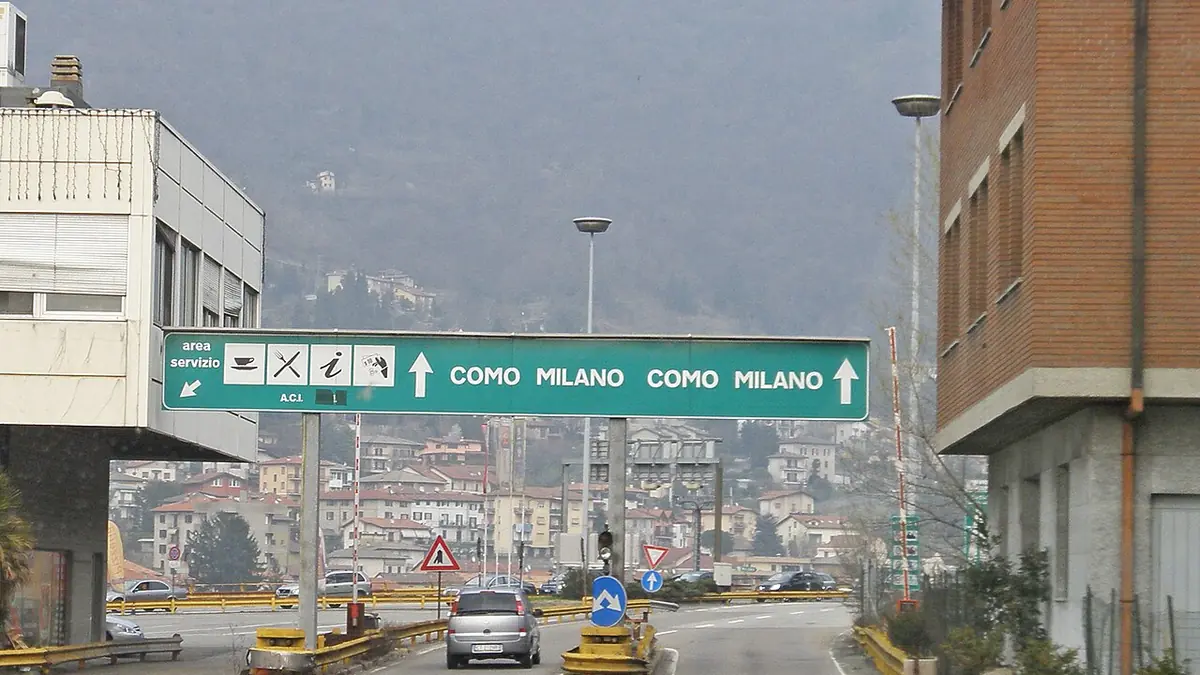
Moving from Cocquio-Trevisago to work in Ticino: the New Frontier Agreement 2024, tax at source, exemptions €7500–€10000 and step-by-step procedure.
Context
In brief
- New Cross-Border Workers Agreement effective from January 1, 2024: changes to the tax regime
- Withholding tax deducted ONLY in Switzerland, double taxation avoided
- Old cross-border workers: exemption of €7500 annually (transitional 2024–2033)
- New cross-border workers: allowance of €10000 annually
Key facts
- What: New tax regime for cross-border workers Italy-Switzerland with updated agreement
- When: Effective from January 1, 2024
- Where: Canton Ticino and province of Varese (e.g., Cocquio-Trevisago)
- Who: Cross-border workers with Permit G residing in Italy, working in Ticino
- Exemption amount: €7500 annually (old cross-border workers 2024–2033)
- Allowance amount: €10000 annually (new cross-border workers)
- Tax treatment: Deducted ONLY in Switzerland; double taxation avoided through Italian tax credit in the CE section
Cocquio-Trevisago, a municipality in the province of Varese located a few kilometers from the Ticino border, is a recurring choice for cross-border workers who work in Canton Ticino. The geographical location offers access to major crossings and proximity to Ticino companies, but the decision to move requires a precise understanding of the current tax regime.
With the entry into force of the New Cross-Border Workers Agreement on January 1, 2024, the regulatory framework has undergone significant changes compared to the previous situation. The agreement, signed on December 23, 2020, and ratified by Italy with Law 83 of June 13, 2023, redefines the taxation methods for workers residing in Italy and working in Switzerland.
…
Operational details
Tax and social security implications for cross-border workers
Switching from an Italian to a Swiss salary involves changes in the structure of contributions and taxation. Unlike Italy, where the federal IRPEF is structured on progressive rates (23% up to €28,000, 35% from €28,001 to €50,000, 43% over €50,000), Switzerland applies a withholding tax system managed at the federal and cantonal levels.
For the cross-border worker with Permit G, the Swiss contribution burden consists of:
- AVS/AI/IPG (old-age, disability, and loss of earnings insurance): 5.3% of gross salary at the employee's expense
- AD/AC (unemployment insurance and insolvency allowance): 1.1% with a maximum cap of CHF 148,200 of taxable income
- LAINF (accident insurance): 0.7–1.5%, generally paid by the employer
- LPP (mandatory second pillar pension): 7–18% depending on the age bracket from 25 years onwards
These contributions are deducted directly from the Swiss paycheck. A simulation with the tax calculator shows that, at equal gross income, the Swiss net after deductions is often higher than the Italian net, also thanks to the double taxation credit system.
Health insurance and social protection
An often underestimated aspect concerns health insurance (LAMal). Cross-border workers with Permit G have the right to choose: they can remain in the Italian system or opt for Swiss insurance. Adult deductibles in Switzerland range from CHF 300 to CHF 2,500 annually, depending on the chosen policy. Understanding the cost of living between Varese/Cocquio-Trevisago and Ticino is essential to evaluate the real economic advantage of the move: higher salaries in CHF must be weighed against housing, transportation, insurance, and food costs in the Canton of Ticino.
…
Key points
Pre-move procedure and checklist
Deciding to move from Cocquio-Trevisago to Ticino to work requires coordinated administrative planning. Here are the essential steps:
Step 1: Obtain the Permit G The Work Permit for cross-border commuters (Permit G) is the legal basis for working in Switzerland. It must be requested from the competent cantonal authorities of Ticino before starting work. The application generally includes the employment contract, identity documents, and proof of residence in Italy.
Step 2: Verify cross-border commuter status (old/new) Determining whether you fall into the category of "old cross-border commuters" (already in status before July 17, 2023) or "new cross-border commuters" is crucial. This distinction determines the annual exemption (€7500 vs. €10000) and directly affects the calculation of the Swiss payroll withholding.
Step 3: Notify the change of residence to the Tax Agency If you remain resident in Italy but work in Switzerland, you must notify the cross-border employment relationship to the Italian tax authorities. This allows the application of the tax credit in the CE section of the annual declaration (model 730 or Unico).
Step 4: Choose health insurance Exercise the LAMal option right: stay in the Italian system or switch to a Swiss policy with CHF 300–2500 deductibles. The decision depends on the individual health profile and the costs compared between the two systems.
…
Frequently Asked Questions
- Who is considered "old frontier" and who "new frontier"?
- Old frontier: who had already acquired the status of frontier before 17 July 2023. It benefits from an annual exemption of €7,500 within the transitional regime 2024–2033. New border crossing: acquired status from 17 July 2023 onwards, with a €10,000 annual excess. The distinction is permanent and determines the withholding on the Swiss paycheck.
- Where is the border tax withheld at source?
- Exclusively in Switzerland. Italy avoids double taxation through the tax credit: in the EC framework of the tax return (form 730), the taxpayer recovers the Swiss taxes paid. This mechanism is provided for by the Italian-Swiss Convention of 9 December 1976.
- What is the G Leave and how to apply for it to work in Ticino?
- Permit G is the authorisation for border workers resident in Italy who work in Switzerland. It must be requested from the Canton of Ticino before the start of the activity, attaching an employment contract, identity documents and proof of Italian residence. Processing times are typically 2–4 weeks.
- What is the difference between Swiss LAMal and Italian border insurance?
- G-Permit cross-border commuters may opt for one or the other. LAMal Switzerland provides adult deductibles of CHF 300–2500 per year depending on the policy. The choice depends on comparative costs, individual health needs and willingness to manage healthcare in Switzerland or Italy.
- What are the social security contributions (AVS/LPP) withheld in Switzerland?
- AVS/AI/IPG: 5.3% of gross salary. AD/AC: 1.1% (with roof CHF 148200). LPP (second pillar): 7–18% depending on age from 25 years. These build pension rights superior to the Italian system, with the possibility of subscribing to the third pillar (3a).