Police Contract: Silp Cgil signs but disputes the increases (cross-border guide)
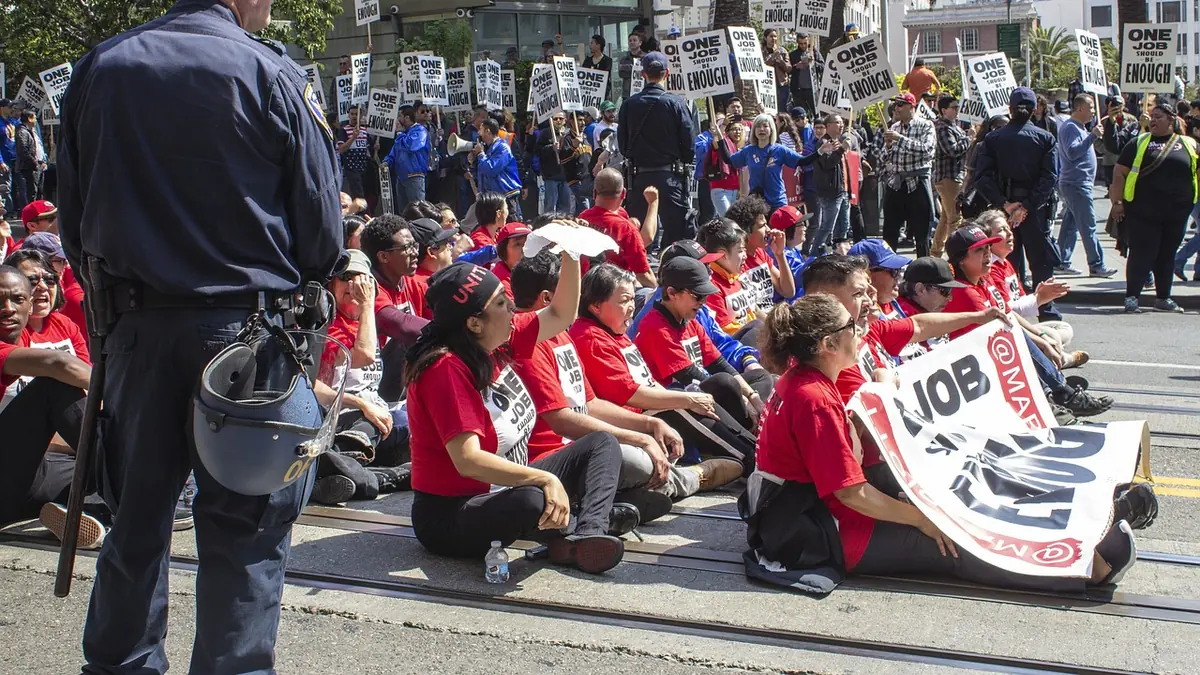
The Silp CGIL union signs the renewal of the Police contract but denounces inadequate net increases and a loss of purchasing power for the agents.
Context
In brief
- Signed the renewal of the collective agreement to avoid losing the representation of the union.
- The Silp Cgil criticizes the economic inadequacy compared to inflation.
- Estimated loss of purchasing power of about 1,000 euros per police officer.
- The ban on strike limits the possibilities of claiming.
- What: Renewal of the collective agreement for the State Police.
- When: Reference period triennium 2025-2027.
- Who: Sindacato Silp Cgil and Secretary General Pietro Colapietro.
- Net increase: Approximately 4.6% real increase estimated by the union.
- Estimated loss: Approximately 1,000 euros per each police officer.
- Monthly increases: Between 68 and 99 euros net depending on the grade.
…
Operational details
The economic analysis proposed by the Silp Cgil casts a worrying light on the prospects of income for the personnel of the State Police. Considering a prudent inflation forecast of 6.3% for the 2025-2027 triennium, the union has calculated a loss of purchasing power estimated at around a thousand euros per each police officer. This figure translates, in practical terms, into a net monthly increase that varies according to the rank: 68 euros for an agent, 83 euros for a superintendent, 89 euros for an inspector, and 99 euros for a commissioner. These figures, according to Colapietro, represent an alms that cannot fill the gap caused by the increase in the cost of living. The situation is further exacerbated by the management of overtime work. The union denounces that the increase for a day of overtime on a holiday is less than 90 cents. To this, it adds the criticism of the norm that allows paying the overtime wages up to two years after the service has been performed. For a worker who has to manage current expenses, such a delay in recognizing the economic compensation for the extra hours represents an insurmountable burden. The comparison between the official government promises and the contractual reality appears, according to the union, decisively unbalanced. The official statements on a future pension dedicated to and the specificity of the security sector are considered dilatory maneuvers. Without concrete funds and a defined structure, such commitments do not offer real prospects of improvement for those who work every day in the field [cost of living].
…
Key points
For those working in the security sector, understanding contractual dynamics is the first step towards a conscious management of one's financial and pension situation. Despite the signing of the contract, the issues raised by the Silp Cgil offer a useful break to assess one's income and plan for any integrations. Managing income in a context of rising inflation requires careful analysis of pay slips, and when possible, constant monitoring of complementary pension tools. The union warns that without a structural intervention and a review of the regulations on overtime work, the situation of the personnel will remain precarious. Operators are invited to closely monitor the official communications of their respective entity to verify the application of the new salary parameters and the timing of the payment of arrears, if any. The procedure for those who wish to deepen their remunerative situation involves regular consultation of the union documentation and, if necessary, the consultation of experts for the analysis of the net income in the pay slip. It is essential to stay informed about the evolution of the pension legislation and the specificities of the sector, as the government has promised interventions on pensions and specificities, although at the moment lacking certain funds. For those who want to compare their salary situation with the market trend, the use of digital tools is a recommended practice to have a clear and immediate view of their net income calculator.
…
Frequently Asked Questions
- Why did SILP CGIL sign the agreement despite the criticism?
- The union explained that the signature was an obligatory choice to maintain the instruments of union representation. Failure to renew would have resulted in the exclusion of the SILP CGIL from second-level bargaining, limiting the ability to concretely represent the workers of the State Police.
- By how much will an agent's monthly net salary increase?
- According to Silp CGIL estimates, the net monthly increase for an agent is around 68 euros. For other grades, the increase is €83 for a superintendent, €89 for an inspector and €99 for a commissioner.
- What are the union's main criticisms of overtime management?
- The union criticizes the increase in the hourly value of the weekday overtime, defined as less than 90 cents gross, and disputes the rule that allows the government to pay overtime emoluments even two years after the service performed.