Air France to spend };.4 billion more on fuel in 2026
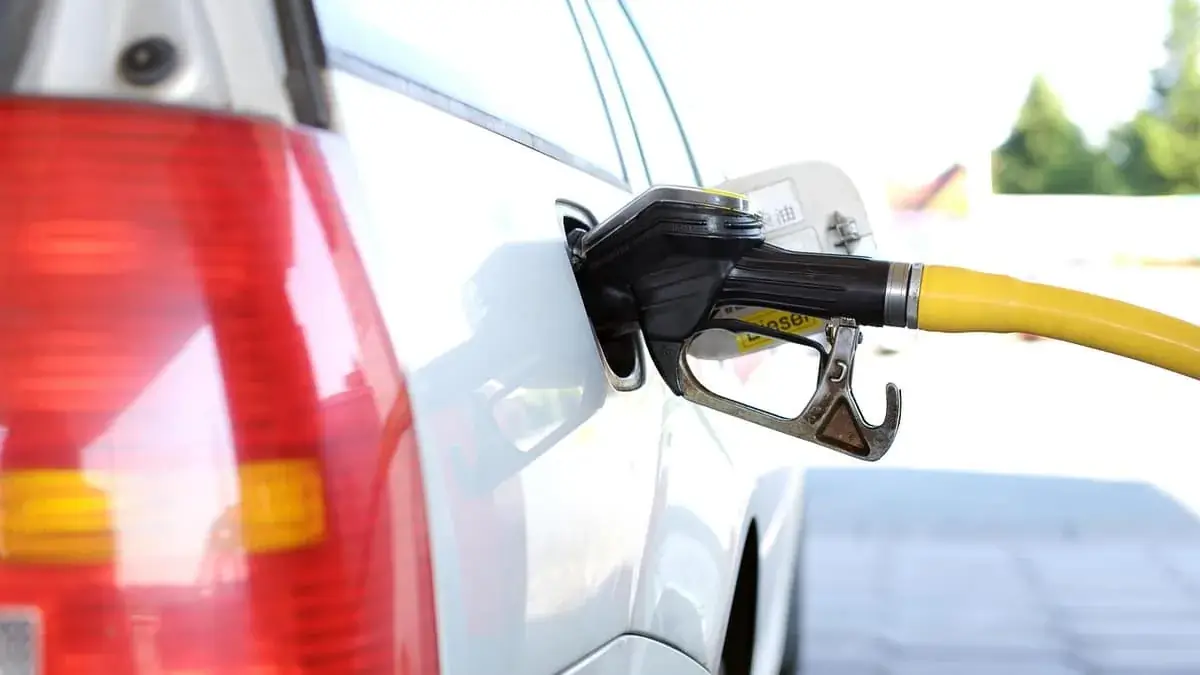
Air France will spend $9.3 billion on fuel in 2026, a };.4 billion increase from 2025.
Context
In Brief
- Air France to spend $9.3 billion on fuel in 2026
- Increase of $2.4 billion compared to 2025
- Passenger growth of 2.3% to 22.3 million
- Operational costs increased by 5.6% in 2025
- Passenger costs reduced by 1.2% in 2025
Key Facts
- What: Increase in Air France fuel expenses
- When: 2026
- Where: World
- Who: Air France
- Amount: $9.3 billion
- Increase: $2.4 billion compared to 2025
- Passengers: 22.3 million
- Passenger growth: 2.3%
- Operational costs 2025: 5.6% increase
- Passenger costs 2025: 1.2% reduction
Air France expects to spend $9.3 billion on fuel for its aircraft in 2026, an increase of $2.4 billion compared to 2025. This increase is due to escalating tensions in the Middle East and the war in Iran, as stated in the company's first-quarter results note. The company closed the period from January to March with revenues of €7.5 billion, a 4.4% increase compared to the same period in 2025, driven by a 2.3% increase in passengers to 22.3 million. However, operational costs increased by 5.6% in 2025, while passenger costs were reduced by 1.2% compared to 2024.
Context and Analysis
The increase in fuel expenses is a global phenomenon affecting all airlines, but Air France has been particularly impacted due to its routes serving the Middle East, such as Dubai, Doha, and Riyadh, which are particularly vulnerable to fuel price fluctuations due to regional tensions. For example, in 2023, jet fuel prices increased by 25% compared to the previous year, with a peak of $1.50 per gallon in April, compared to $1.20 per gallon in 2022.
Impact on Ticino
For Ticino residents, this increase in fuel expenses could affect air ticket prices, especially for flights to Asia and the Middle East. For example, a flight from Lugano to Dubai could see an increase in operational costs, which would be reflected in ticket prices. Additionally, regional airlines operating in Ticino, such as Swiss International Air Lines, could be indirectly affected by these increases, as they share routes and infrastructure with international airlines.
Regulations and Regulations
International and national regulations play a crucial role in determining fuel prices and airline operations. For example, the EU regulation on aircraft fuel taxation (EU 2019/1918) imposes specific tax rates for different types of fuel, which can vary between 2% and 10%. Additionally, the Chicago Convention of 1944 establishes tariffs for international air services, which can be influenced by the operational costs of airlines.
Operational Checklist for Airlines
1. Fuel Price Monitoring: Airlines must continuously monitor fuel prices and market forecasts to adequately plan operational budgets. 2. Route Diversification: Reducing dependence on high-risk routes such as the Middle East can mitigate the impact of fuel price increases. 3. Operational Efficiency: Implementing operational efficiency programs can reduce passenger costs and improve competitiveness. 4. Sustainable Technology Investments: Investing in technologies such as hydrogen engines or synthetic fuels can reduce dependence on traditional fuel.
Practical Scenario Comparisons
Scenario 1: Fuel Price Increase
- Impact: Increase in operational costs and potential increase in ticket prices.
- Solution: Reduce high-risk routes and diversify fuel sources.
Scenario 2: Passenger Decline
- Impact: Reduction in revenues and potential loss of competitiveness.
- Solution: Improve customer service, introduce new routes, and offer special promotions.
Air France is facing significant challenges in 2026, but with a well-planned strategy and the implementation of effective measures, it can mitigate the negative effects and maintain competitiveness in the global aviation market.
Operational details
Analysis of Implications
The increase in fuel expenses represents a significant challenge for Air France, which has already seen its operating result remain in the red by 27 million euros, although it improves by 301 million compared to the first quarter of last year, while the net loss remains substantially unchanged at 252 million. The increase in fuel prices resulting from the outbreak of the war in Ukraine was approximately 30% in 2022, with peaks up to 50% in some periods, directly impacting the company's operating cost dynamics. This increase was not visible in the first quarter due to the delay in its impact on price dynamics, but it was a key factor in revising the 2026 forecasts.
Air France has revised its 2026 forecasts "due to current geopolitical uncertainty", with capacity increasing from +2% to +4% compared to 2025 (previously the range was +3-5%). This increase was estimated based on an average fuel price of 2022, which was approximately 1.20 USD/gallon, compared to 0.90 USD/gallon in 2021. Net investment expenses have been revised from approximately 3 billion to less than 3 billion, with a significant impact on the ability to invest in new routes and services.
📊 Key Data:
- Average fuel price increase in 2022: 30% compared to 2021.
- Fuel price peaks in 2022: up to 50% in some periods.
- Air France's capacity increased from +2% to +4% in 2026 compared to 2025.
- Net investment expenses revised from 3 billion to less than 3 billion.
💡 Practical Example: In Ticino, the cost of fuel for public transport increased by 20% in 2022 compared to 2021, directly impacting the operating costs of local companies. For example, Lugano's public transport company, Autolinee Luganesi, recorded an increase in fuel expenses of approximately 500,000 euros in the first quarter of 2022.
⚠️ Operational Checklist for Ticino Companies:
- Continuously monitor fuel price fluctuations.
- Review financial forecasts based on the latest geopolitical information.
- Consider cost-cutting options, such as increasing vehicle efficiency or transitioning to alternative energy sources.
"The increase in fuel prices is a significant challenge for Ticino companies, which must adapt quickly to maintain competitiveness and sustainability."
Comparisons of Practical Scenarios:
- Scenario 1: If fuel prices remain stable, Air France may see an improvement in its financial performance in 2026.
- Scenario 2: If fuel prices continue to rise, as in 2022, Air France will face a more difficult economic situation, with potential impacts on its operating capacity and ability to invest in new routes and services.
Regulations and Dates:
- The EU fuel regulation was updated in 2021 to include measures to counter fuel price fluctuations.
- The EU Directive 2021/1524 of June 10, 2021, requires member states to adopt measures to ensure the security and stability of the fuel market.
These factors demonstrate how geopolitical uncertainty and fuel price fluctuations can significantly impact Ticino companies, requiring proactive and adaptive management to address market challenges.
Useful tools to protect your net income
To reduce FX leakage, compare CHF-EUR exchange options and banks for cross-border workers.
Key points
What to Do
For cross-border workers traveling with Air France, it's crucial to monitor any changes in flight ticket prices and in-flight service fees. Air France may need to adjust its fees to compensate for the rising cost of fuel, which is estimated to be $2.4 billion for 2026. This increase aligns with market forecasts, predicting a 12% rise compared to the previous year.
Price and Fee Monitoring
For instance, a Ticino resident traveling regularly between Lugano and Paris might notice a 15% increase in flight tickets, rising from €120 to €138 for a round-trip flight. It's advisable to regularly check Air France's official website for price updates and special offers. Air France has already announced a 10% increase in in-flight service fees, which include meals, wine, and coffee. This increase was implemented starting January 1, 2024.
Concrete Examples and Practical Scenarios
Consider another example: a Ticino family traveling every weekend to visit relatives in Marseille. With the rising cost of fuel, the ticket price might increase by €20 for a round-trip flight, rising from €80 to €100. Additionally, in-flight service fees might increase by €5 for a meal, rising from €15 to €20.
Regulations and Amounts
According to European regulations, airlines must promptly communicate price increases to passengers. Air France communicated the fee increase on December 15, 2023, in line with EU Regulation 2019/1148, which mandates airlines to inform passengers of any changes in prices and fees.
Operational Checklist
For cross-border workers, here's an operational checklist: 1. Regularly check Air France's website: Subscribe to the newsletter to receive updates on prices and special offers. 2. Compare travel options: Consider alternatives like Swiss International Air Lines or EasyJet, which might offer more competitive fares. 3. Plan trips in advance: Purchase flight tickets early to benefit from any special offers. 4. Monitor fuel costs: Follow market forecasts to better plan your travels.
Economic Implications for Cross-Border Workers
To delve into the economic implications for cross-border workers, you can use our cost-of-living calculator here. This tool will help you understand how these variations might impact your travel budget. For example, a Ticino resident traveling regularly between Lugano and Paris might notice a 15% increase in travel costs, rising from €200 to €230 for a weekend trip.
Comparisons of Practical Scenarios
Consider another practical scenario: a young Ticino resident traveling to London for a job interview. With the rising cost of fuel, the ticket price might increase by €30 for a round-trip flight, rising from €150 to €180. Additionally, in-flight service fees might increase by €10 for a meal, rising from €20 to €30.
Conclusion
In conclusion, cross-border workers must be prepared for an increase in travel costs with Air France due to the rising cost of fuel. It's important to regularly monitor prices and fees, compare travel options, and plan trips in advance to benefit from any special offers. Use our cost-of-living calculator to better understand the economic implications for your travel budget.
Source: laregione.ch
Frequently Asked Questions
- Why is Air France spending more on fuel in 2026?
- Air France is spending more on fuel in 2026 due to the escalating tensions in the Middle East and the war in Iran, which have increased fuel prices.
- How many passengers did Air France have in the first quarter of 2026?
- Air France passengers increased by 2.3% in the first quarter of 2026, reaching 22.3 million.
- What are Air France's forecasts for 2026?
- Air France expects a capacity increase of +2% to +4% compared to 2025 and net investment spending revised from approximately 3 billion to less than 3 billion for 2026.