Drought in Ticino: summer 2026 at risk
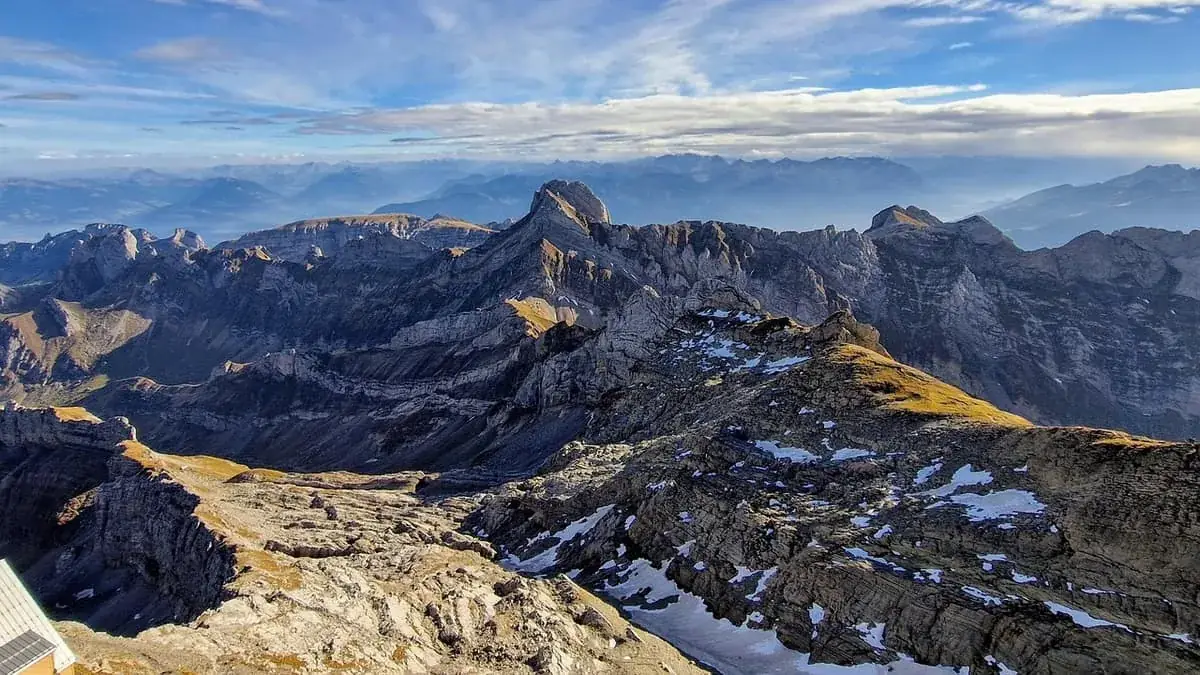
April 2026 was the driest in recent years, with precipitation at 10% of the average. Fire risk and critical water basins.
Context
In brief
- April 2026 was extremely dry
- Risk of forest fires in Ticino
- Water reservoirs below seasonal levels
Key facts
- What: Drought situation
- When: April 2026
- Where: Switzerland, particularly Ticino and Grisons
- Who: MeteoSwiss
- Amount: 10% of average precipitation
Despite the recent rains, the precipitation situation in the first months of 2026 remains well below average. April was historically dry, with very low soil moisture levels and an increasing risk of forest fires, particularly in eastern Switzerland and Ticino. In several regions near the Alps, including the Valposchiavo, there is a strict ban on lighting fires outdoors. According to MeteoSwiss data, the ground is dry to a depth of 40-50 centimeters, and water reservoirs are also below seasonal levels: in Grisons, the fill level is around 10%, compared to an average of 20% for this period.
Immediate consequences
The drought situation has already led to immediate consequences, such as the ban on lighting fires outdoors in various regions. This ban has been imposed to prevent forest fires, which have already been reported in several areas of Ticino and eastern Switzerland. Furthermore, the lack of rain has led to a significant drop in water reservoir levels, with potential consequences for agriculture and water supply.
…
Operational details
Analysis of the implications
The drought in Ticino and Eastern Switzerland has significant implications for various sectors, including agriculture, water supply, and land management. The lack of rain has already led to a drop in water basin levels, with potential consequences for agriculture and water supply. Additionally, the risk of forest fires is high, requiring rigorous preventive measures.
Impact on agriculture
Agriculture is one of the sectors most affected by the drought. The lack of rain can lead to a reduction in crops and a decline in agricultural production. This could have a significant impact on the local economy and the availability of agricultural products. It is crucial that farmers adopt measures to mitigate the effects of drought, such as using efficient irrigation systems and choosing crops more resistant to drought.
Impact on water supply
Drought can also have a significant impact on water supply. The lack of rain can lead to a drop in water basin levels, with potential consequences for the supply of drinking water. It is essential that local authorities closely monitor water conditions and take measures to ensure adequate water supply. This could include water rationing and awareness campaigns to reduce water consumption.
Risk of forest fires
The risk of forest fires is high in drought conditions. The lack of rain and high temperatures can create ideal conditions for forest fires. It is crucial that local authorities adopt rigorous preventive measures to prevent forest fires. This could include banning outdoor fires and awareness campaigns to reduce the risk of fires.
…
Key points
Concrete actions
To address the drought situation, it is essential to adopt concrete measures. Local authorities have already implemented various preventive measures, but it is crucial that the population collaborates to mitigate the effects of the drought. Here are some concrete actions that can be taken:
Reducing water consumption
Reducing water consumption is one of the most effective measures to address drought. Various practices can be adopted to reduce water consumption, such as using efficient appliances, repairing leaks, and reducing shower time. Additionally, rainwater can be used to irrigate gardens and plants.
Use of efficient irrigation systems
Farmers can adopt efficient irrigation systems to mitigate the effects of drought. The use of drip irrigation systems can reduce water consumption and improve irrigation efficiency. Additionally, cultivation techniques that require less water, such as precision agriculture and the use of drought-resistant crops, can be employed.
Monitoring water conditions
Local authorities must closely monitor water conditions and take measures to ensure adequate water supply. This could include water rationing and awareness campaigns to reduce water consumption. Additionally, advanced technologies can be used to monitor water conditions and predict precipitation.
Prevention of forest fires
To prevent forest fires, it is fundamental to adopt rigorous preventive measures. Local authorities can implement bans on outdoor fires and awareness campaigns to reduce the risk of fires. Additionally, advanced technologies can be used to monitor weather conditions and predict fire risk.
…
Frequently Asked Questions
- What preventive measures have been adopted to address the drought?
- Local authorities have implemented various preventive measures, including bans on open fires and awareness campaigns to reduce water consumption. It is crucial for the population to collaborate to mitigate the effects of the drought and prevent further damage.
- How can I reduce water consumption?
- You can adopt several practices to reduce water consumption, such as using efficient appliances, fixing leaks, and shortening shower times. Additionally, you can use rainwater to irrigate gardens and plants.
- What are the implications of drought for agriculture?
- Drought can lead to a reduction in crops and a decline in agricultural production. It is essential for farmers to adopt measures to mitigate the effects of drought, such as using efficient irrigation systems and choosing crops more resistant to drought.
Related articles
- All articles: Safety and crime
- Aprile secco: allarme siccità in Ticino
- Forte pericolo di incendi nei boschi del Ticino
- Bolla immobiliare Svizzera 2026: rischio in aumento per i frontalieri
- Svizzera a rischio blackout: cosa cambia per i frontalieri
- Emergenza acqua in Lombardia: deficit del 37%, cosa succede ora