Code, Not Just on the Highway
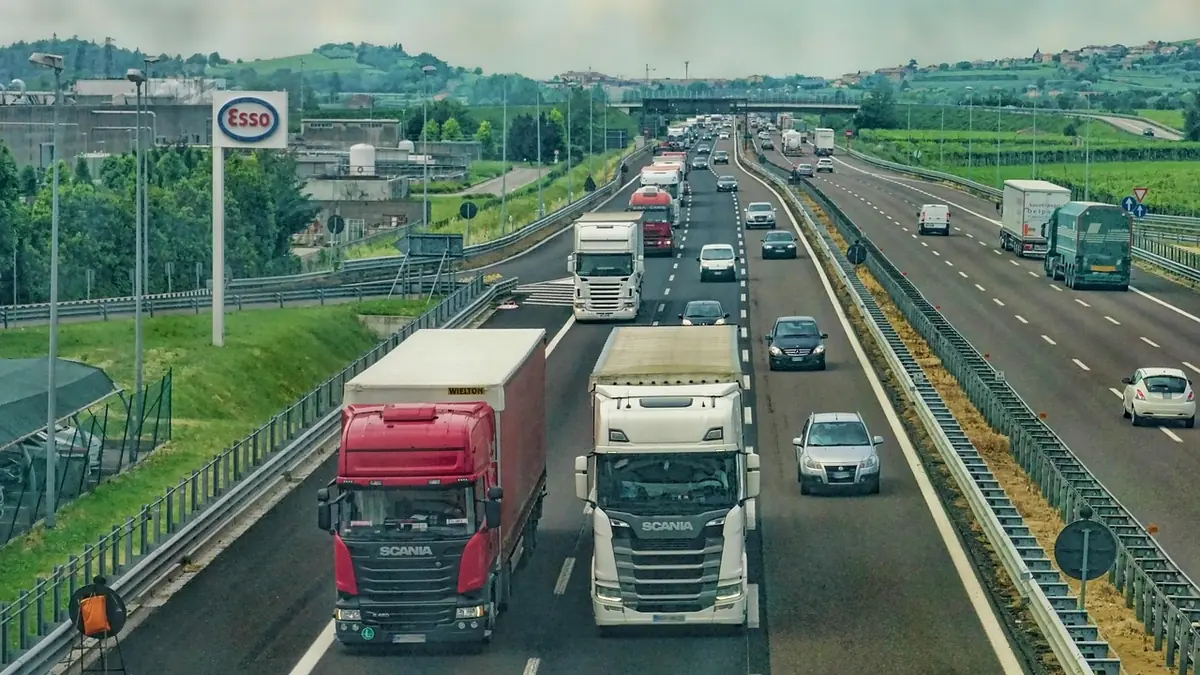
Difficult return after Ascension Day weekend: Disruptions on A2 northbound and heavy traffic on cantonal roads.
Context
In brief
- Monday, May 17, 2026: traffic congestion on the A2 heading north
- Heavy traffic also on cantonal roads
- Delays and slowdowns on the A13 heading towards San Bernardino
Key facts
- What: Difficult commute after the Ascension Day weekend
- When: Monday, May 17, 2026
- Where: Motorway A2, heading north
- Who: Commuters and tourists
- Amount: Not specified
Traffic, and not just on the motorway
The Monday following the Ascension Day weekend in 2026 is expected to be a challenging day for commuters and tourists crossing the border between Switzerland and Italy. According to forecasts, there will be traffic congestion on the A2 motorway heading north, with heavy traffic also on cantonal roads. Additionally, delays and slowdowns are expected on the A13 heading towards San Bernardino.
The heavy traffic on the A2 may be caused by commuters returning from spending the weekend in Italy, as well as tourists returning from visiting Switzerland. It is estimated that around 50,000 people cross the border every day, with peaks of 70,000 during weekends and holidays.
Furthermore, traffic may be exacerbated by maintenance work currently underway on the motorway, which has led to the closure of some lanes. The situation may be further worsened by adverse weather conditions, such as rain or snow, which can make roads slippery and dangerous.
As for cantonal roads, heavy traffic may be caused by the passage of heavy vehicles, such as trucks, which use these roads to avoid congestion on the motorway. Additionally, traffic may be exacerbated by the presence of local events, such as fairs or sporting events, which attract a large number of visitors.
Regarding the A13, delays and slowdowns may be caused by maintenance work currently underway on the road, which has led to the closure of some lanes. Additionally, the road may be affected by accidents or adverse weather phenomena, such as avalanches or landslides, which can make the road impassable.
To avoid getting stuck in traffic, commuters and tourists may consider using public transportation, such as trains or buses, which may be less congested. Additionally, they may opt to leave earlier or take a slight detour to avoid the most congested road sections.
Furthermore, it is important to remember that heavy traffic may have a negative impact on the environment, with an increase in atmospheric and noise pollution. For this reason, it is important that drivers respect speed limits and use their vehicles responsibly.
Finally, it is important to remember that heavy traffic may also have a negative impact on the economy of the Canton, with an increase in costs for companies operating in the transport and services sector. For this reason, it is important that local authorities take measures to improve traffic flow and reduce heavy traffic.
In conclusion, the Monday following the Ascension Day weekend in 2026 is expected to be a challenging day for commuters and tourists crossing the border between Switzerland and Italy. Heavy traffic on the A2, cantonal roads, and the A13 may cause delays and slowdowns, with a negative impact on the environment and the economy of the Canton. To avoid getting stuck in traffic, commuters and tourists may consider using public transportation and opting to leave earlier or take a slight detour.
Operational details
The A2, a crucial highway for cross-border traffic between Switzerland and Italy, experienced severe congestion on Monday, May 17, 2026. By 5 PM, traffic jams had reached 7 kilometers, causing significant inconvenience to commuters and tourists crossing the border. The situation was not limited to the highway, but also affected cantonal roads, with tourists leaving the A2 and adding to the congestion on these roads. The critical situation on the A2 was exacerbated by the fact that Monday is one of the busiest days of the week for commuters working in Ticino and crossing the Italian border. Additionally, the summer season is approaching, which means an increase in tourist traffic in the region. The communes along the A2, such as Bellinzona, Lugano, and Mendrisio, were particularly affected by the traffic disruptions. These communes are important economic and cultural centers of Ticino and host many businesses that depend on cross-border traffic for their activities. The traffic situation on the A2 was further aggravated by customs regulations and safety norms that govern cross-border traffic. For example, customs checks can cause delays in traffic, especially during peak seasons. Additionally, road safety regulations, such as speed limits and helmet use for motorcyclists, can be applied differently between Switzerland and Italy, causing confusion among drivers and further delays. To mitigate traffic inconveniences, Ticino authorities have implemented several operational measures. For example, they have implemented a checklist for customs checks, which includes verification of drivers' identities, vehicle documents, and prohibited goods. They have also increased staff for customs checks during peak seasons. However, these efforts are not sufficient to completely solve the problem of cross-border traffic in Ticino. A more holistic approach is needed that involves both Swiss and Italian authorities to tackle the challenges of cross-border traffic. This could include optimizing customs checks, modernizing road infrastructure, and promoting alternative means of transport such as trains and buses. In conclusion, the traffic situation on the A2 is a complex problem that requires a coordinated approach from Swiss and Italian authorities. With increasing traffic of commuters and tourists, it is crucial to find sustainable solutions to ensure efficient and safe traffic flow across the border.
Useful tools to protect your net income
To reduce FX leakage, compare CHF-EUR exchange options and banks for cross-border workers.
Key points
To avoid traffic jams and inconveniences, commuters crossing the border between Switzerland and Italy in Ticino can consider several options to optimize their journey. Firstly, leaving earlier or later than peak hours can help avoid heavier traffic. For example, leaving at 7:00 instead of 8:00 can save up to 30 minutes of travel time on some congested stretches.
Using public transportation or carpooling can also be an effective solution to reduce traffic and save money. For instance, bus number 33 of Mobilità Bellinzonese e Valli (MBV) connects Bellinzona to Lugano in about 45 minutes, avoiding highway traffic. Additionally, carpooling can be a convenient option to share travel expenses and reduce environmental impact.
Keeping informed about real-time traffic conditions can also help commuters plan their journey more efficiently. For example, the 'Viabilità Ticino' app provides real-time information on traffic, accidents, and ongoing roadworks in Ticino. Moreover, the 'Traffic Switzerland' website offers an interactive traffic map of Switzerland, including the Ticino municipalities of Bellinzona, Lugano, and Mendrisio.
Regarding traffic in Ticino, it is important to note that the situation has worsened in recent years due to the increase in the number of vehicles in circulation. According to data from the Federal Statistical Office, the number of registered vehicles in Ticino increased by 12% between 2010 and 2020, from 198,000 to 222,000 vehicles. Consequently, traffic has become an increasingly serious problem, with long jams and congestion causing inconvenience to commuters and increasing fuel consumption and greenhouse gas emissions.
Moreover, the cost of fuel has increased significantly in recent months, reaching a record price of CHF 1.95 per liter of unleaded gasoline in March 2022. This increase in costs can have a significant impact on the budget of commuters who use their car to cross the border. For example, a car that consumes 6 liters of gasoline per 100 kilometers and travels 50 kilometers a day to go to work spends about CHF 150 per month on fuel, or about CHF 1,800 per year.
To reduce the costs and environmental impact of traffic, the Ticino State Council has introduced several regulations to encourage the use of public transportation and sustainable mobility. For instance, from January 1, 2021, commuters who use public transport for at least 40 days a year can benefit from a 50% discount on the ticket price. Furthermore, the Ticino government has allocated CHF 50 million to improve public transportation infrastructure and promote electric mobility.
Moreover, Ticino municipalities are adopting measures to improve traffic flow and reduce traffic. For example, the municipality of Lugano has introduced a low-emission zone in the historic center to reduce greenhouse gas emissions and improve air quality. Additionally, the municipality of Mendrisio has implemented a camera system to monitor traffic and identify critical points for intervention.
In conclusion, commuters crossing the border between Switzerland and Italy in Ticino can consider several options to avoid traffic jams and inconveniences, such as leaving earlier or later than peak hours, using public transportation or carpooling, and keeping informed about real-time traffic conditions. However, traffic in Ticino has become an increasingly serious problem due to the increase in the number of vehicles in circulation and the cost of fuel. To reduce the costs and environmental impact of traffic, the Ticino State Council and local municipalities are adopting measures to encourage the use of public transportation and sustainable mobility.
Discover Ticino job offers updated daily: 4,000+ positions from Swiss companies hiring cross-border workers.
Source: tio.ch
Frequently Asked Questions
- What are the causes of heavy traffic in Ticino?
- Heavy traffic in Ticino can be caused by events such as the Ascension bridge, accidents, work in progress or simply a high volume of traffic.
- How can I avoid traffic in Ticino?
- To avoid traffic in Ticino, it is advisable to plan your trips according to the traffic situation in real time, use public transport or carpooling, and leave at different times than peak times.
- What are the impacts of customs regulations on cross-border traffic?
- Customs and security regulations, including identity and vehicle document checks, can cause significant delays, especially during peak season. The increase in personnel for customs controls seeks to mitigate these inconveniences, but effectiveness is limited without a coordinated approach between Switzerland and Italy.
- How does road maintenance work affect traffic in Ticino?
- The maintenance work, which involves the closure of some lanes on motorways such as the A2 and A13, aggravates the heavy traffic. This slows down commuters and tourists, contributing to longer queues and prolonged inconvenience, especially on return days from holiday decks or as the summer season approaches.
- Are there alternatives to private transport for those travelling between Switzerland and Italy?
- Yes, using public transport such as trains or buses is recommended to avoid congestion. Leaving earlier or choosing less-trafficked alternative routes are other useful strategies. This approach reduces not only travel times but also the environmental and acoustic impact.