Ascension: Return Traffic Increases
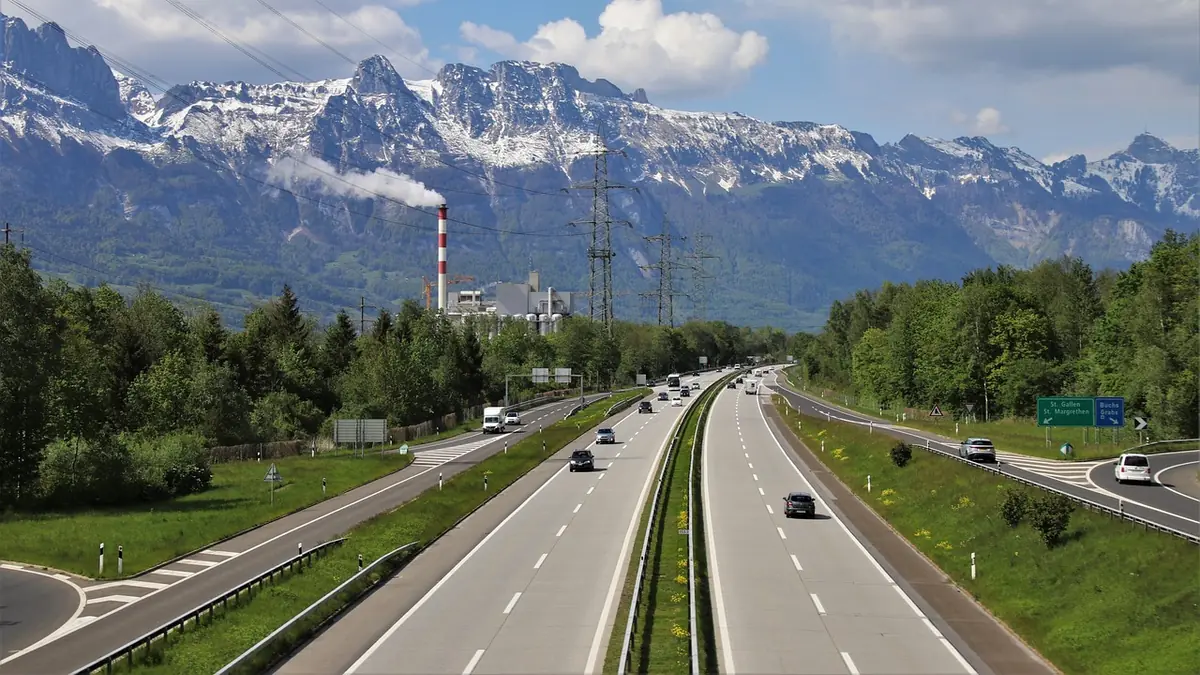
Return traffic from the Ascension long weekend is picking up, particularly on the A2 heading north.
Context
In brief
The traffic returning to Ticino has increased during Ascension, with particular congestion on the A2 towards the St. Gotthard. There are already 6 km of traffic jam between Quinto and the weighing area of Airolo.
Key facts
- What: increased return traffic.
- When: during Ascension, which this year falls between May 13 and 16.
- Where: Ticino, particularly on the A2 towards the St. Gotthard.
- Who: frontier workers, i.e. those who work in Switzerland but live in Italy.
- Amount: 6 km of traffic jam between Quinto and the weighing area of Airolo.
The return from the long Ascension weekend is in full swing, especially regarding traffic on the A2, heading north. Towards the St. Gotthard, between Quinto and the weighing area of Airolo, TCS reports 5 km of traffic jam: congested traffic with delays increasing to almost an hour. It is estimated that about 60,000 frontier workers regularly work in Ticino, and many of them have taken advantage of the bridge to go home.
The heavy traffic could be exacerbated by the still-in-force anti-Covid regulations, which require social distancing and the use of masks. Furthermore, the cost of fuel has increased significantly in recent months, which could result in increased costs for returning frontier workers.
For those facing return traffic, it is recommended to leave early and pay attention to road signs. It is also possible to consult the websites of road information companies, such as TCS, for real-time traffic and possible detours.
Furthermore, it may be useful to consider using public transport for the return journey, if possible. Swiss Federal Railways (SBB) have arranged a special service for Ascension, with more trains between Ticino and the rest of Switzerland. However, it is important to book in advance and respect anti-Covid regulations on public transport.
In any case, it is important to remember that return traffic can be stressful and requires particular attention to driving. It is therefore recommended to take a break every two hours of driving and drink plenty of water to maintain concentration.
In conclusion, return traffic in Ticino during Ascension can be heavy and require particular attention to driving. However, with good planning and the adoption of some preventive measures, it is possible to face the journey safely and comfortably.
Operational details
The Ascension is a holiday that annually brings an increase in traffic for the return to Ticino, a Swiss region bordering Italy and home to a significant community of cross-border workers. This phenomenon is due to a combination of factors, including the increase in the number of cross-border workers returning to Ticino and traffic congestion on the A2, the main highway connecting the region to the rest of Switzerland. In particular, the situation is particularly severe in the direction of the San Gottardo, where there are already 6 km of traffic jams, meaning that cross-border workers returning to Ticino must deal with heavy traffic and longer travel times than usual. The situation could worsen further if one considers that return traffic is concentrated especially during the Ascension weekend, when many people take advantage of the holiday to return home. To better understand the magnitude of the phenomenon, one need only look at the data from 2021. According to the 'Viagemob' website, which provides real-time traffic information, return traffic to Ticino during Ascension reached its peak on Easter Monday, with over 20 km of traffic jams on the A2 in the direction of the San Gottardo. In total, over 30 km of traffic jams were recorded on the same highway during the Ascension weekend. But what can be done to alleviate return traffic to Ticino during Ascension? Firstly, it is important that cross-border workers plan their journey in advance, avoiding peak hours and opting for alternative means of transport such as trains or buses. In this regard, Switzerland has invested significant sums to improve the public transport network, with the aim of reducing dependence on private traffic. Furthermore, it is important that cross-border workers are aware of the regulations in force for the transit of vehicles in Switzerland. For example, from 1 January 2021, a new circulation tax has been introduced for vehicles registered abroad that circulate in Switzerland for more than 90 days a year. This tax, which varies depending on the cylinder capacity and power of the vehicle, has been introduced to discourage the use of polluting cars and to finance road infrastructure. Finally, it is important that cross-border workers are informed about the real-time traffic situation, so that they can choose the most convenient route and avoid traffic jams. In this regard, Ticino municipalities have made a series of tools available, such as surveillance cameras and variable message signs, which provide real-time information on traffic and road conditions. In conclusion, the increase in return traffic to Ticino during Ascension is a complex phenomenon that requires joint action by the authorities and cross-border workers themselves. Only through greater awareness and attention to road safety can this problem be tackled effectively.
Useful tools for your case
To verify your within/over 20 km tax scenario, use the net salary calculator and the tax return guide.
Key points
The annual increase in returning traffic is a phenomenon that occurs every year in Ticino, especially during vacation periods. This increase in traffic can cause congestion and delays, making the journey longer and more stressful for commuters and tourists. To avoid these problems, it is recommended to consider some alternative options.
One of the first options is to use an alternative road. There are several secondary roads that can be used to avoid congested main routes. For example, instead of taking the A2 motorway to reach the center of Lugano, one can opt for the cantonal road that passes through the municipality of Mendrisio. This road is less busy and can offer a faster alternative during periods of heavy traffic.
Another option is to use public transportation. Ticino has a network of buses and trains that connect the main cities and municipalities of the region. These public transportation options can be a convenient and fast solution to avoid traffic. For example, the train that connects Lugano to Bellinzona takes about 30 minutes and offers a fast and comfortable transportation solution for commuters.
Moreover, it is possible to check the real-time traffic status through the TCS website. The TCS (Touring Club Switzerland) offers a real-time traffic information service that can help drivers plan their trip and choose the fastest and safest route. For example, the TCS website can signal a traffic jam on the main road that connects Mendrisio to Lugano, allowing drivers to choose an alternative road to avoid traffic.
Furthermore, it is important to remember that Ticino has specific regulations for returning traffic. Since August 1, 2021, the Canton of Ticino has introduced a series of measures to reduce returning traffic during summer weekends. These measures include the prohibition of circulation for motor vehicles with foreign license plates from 8:00 to 10:00 on Saturdays and Sundays, except for vehicles with Ticino license plates or with foreign license plates but resident in Ticino. Additionally, a toll system has been established for motor vehicles with foreign license plates that cross the San Gottardo tunnel.
These measures have been introduced to reduce returning traffic and improve air quality in the region. According to Ticino Canton data, returning traffic represents about 30% of total traffic in the region during summer weekends. These measures have been positively received by the local population, but have also raised some concerns among tourists and commuters who cross the border for work or to visit the region.
In conclusion, the increase in returning traffic is a phenomenon that requires careful planning to avoid congestion and delays. Alternative options, such as using secondary roads or public transportation, can help reduce traffic and improve road safety. Furthermore, the regulations of the Canton of Ticino
For a precise net salary calculation, use our tax comparator: compare take-home pay between G and B permits with all 2026 deductions.
Source: tio.ch
Frequently Asked Questions
- How can I avoid traffic jams and delays?
- Take the alternative route or use public transport.
- Why does the traffic of returning to Ticino increase during Ascension?
- The increase in traffic in Ticino during the Ascension is due to the return of about 60,000 borderers who take advantage of the long holiday bridge. Congestion mainly focuses on the A2 in a northerly direction, especially towards the S. Gottardo, where there are regular significant queues, such as the 6 km between Quinto and Airolo mentioned in the article.
- What are the regulations or additional costs for border crossing traffic in Switzerland?
- Yes, borderers must consider increasing fuel costs. Moreover, since 1 January 2021 a new traffic tax has been in place for vehicles registered abroad that are circulating in Switzerland for more than 90 days a year. This tax varies according to capacity and power, and has been introduced to discourage polluting vehicles and to finance road infrastructure.
- Are there alternatives to public transport for border crossing points during peak periods?
- Yes, to reduce dependence on private traffic, Swiss Federal Railways (FFS) provide special services, such as additional trains between Ticino and the rest of Switzerland during holidays such as Ascension. It is advisable to book in advance and comply with the anti-Covid rules on board public transport for a smoother and safer journey.