Living in San Fermo and working in Ticino: border guide
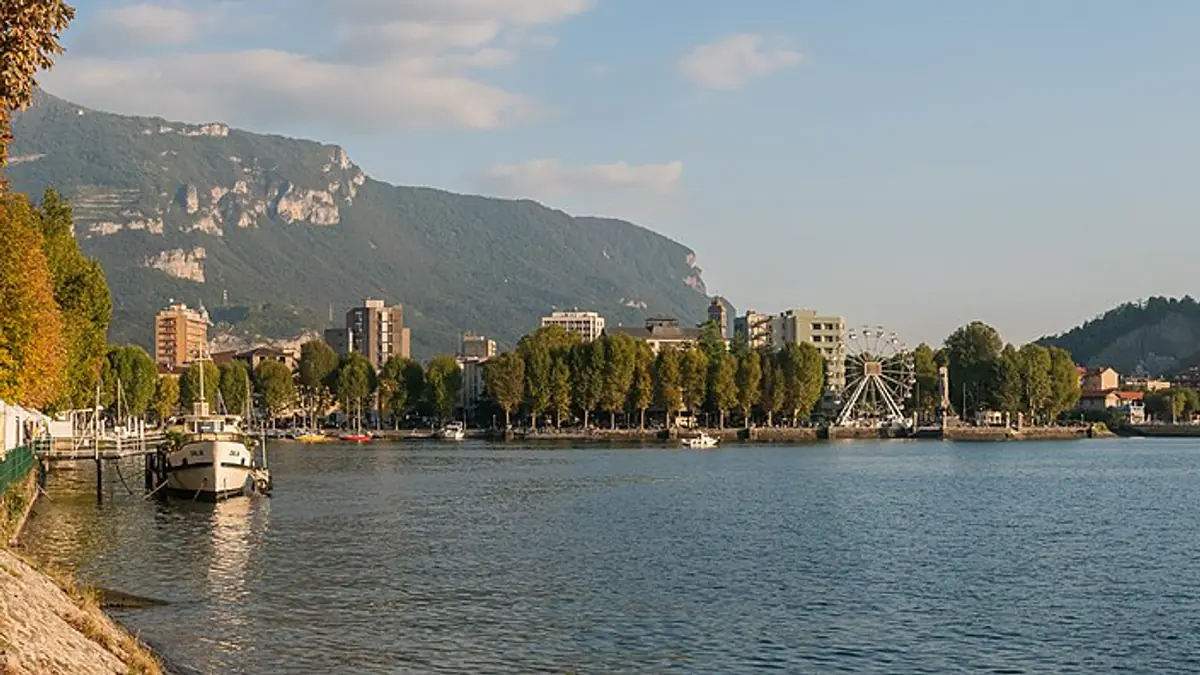
As a border crossing from San Fermo della Battaglia to Ticino: permits, taxation, roads and convenience of transfer to the province of Como.
Context
In a nutshell
- Como-Ticino border guards: G permit required, registration with Swiss authorities
- New Frontier Agreement from 1 January 2024 with an exemption of €10,000 per year for new frontier workers
- Tax at source paid ONLY in Switzerland, no double taxation
- Accessible crossings: Brogeda, Chiasso, Ponte Tresa at reasonable distances
Key facts
- What: Border tax regime Como-Ticino
- When: New Agreement in force from 1 January 2024
- Where: Valichi Como-Ticino and provinces of Como, Varese, Bergamo
- Who: Employees resident in Italy, with a contract in Switzerland
- Deductible: €10,000 per year for new frontier workers, €7,500 for frontier workers already such before 17 July 2023
San Fermo della Battaglia is located in the province of Como, close to the Ticino border. Many residents of the municipality choose to work in the Canton of Ticino, taking advantage of higher wages and standardised procedures governed by the New Frontier Agreement, which entered into force on 1 January 2024.
The Italian-Swiss Convention of 9 March 1976 defines the methods of taxation of income from employment. For frontier workers, the source tax is withheld exclusively in Switzerland by the employer, while Italy avoids double taxation by recognising a tax credit in the EC framework of the annual declaration (form 730). This mechanism ensures that the taxpayer does not pay taxes on the same income in
Operational details
Roads and travel times
From San Fermo della Battaglia, border crossers have access to several crossings towards Ticino. Chiasso, a short road distance away, is the most direct gateway for those who work in southern Ticino (Mendrisio, Lugano). Ponte Tresa, on the banks of the Ceresio, offers an alternative for the valley floors. Gaggiolo and Brogeda are further options in the territory of the lakes. Travel times vary approximately from 30 to 60 minutes depending on the final destination in Ticino and the traffic conditions at the passes, which can be slowed down during peak hours (morning and late afternoon).
The road from San Fermo to the Ticino crossings is reasonably easy: the Como area benefits from good connections via the provincial and cantonal road network. However, those who choose this housing base must consider that daily travel times on days of heavy traffic can lengthen, especially in periods of congestion towards the border.
Cost of living and affordability
One of the main advantages of residing in San Fermo and working in Ticino is the difference in cost of living. The province of Como, in particular the areas not immediately on the border, offers rental costs, school fees and services generally lower than the Canton of Ticino. A frontier worker earning CHF can accumulate significant savings while maintaining an Italian housing base.
On the other hand, contributions
Key points
Step-by-Step Procedure for Transfer
Before transferring from San Fermo to a Ticinese occupation, you need to follow some steps.
Phase 1: Acquire the G Permit. Contact the population office of the Ticinese canton where you will work (or the SECO delegation, State Secretariat for Economic Affairs). You will need the employment contract, identity documents, and certificate of non-enrollment in the judicial register. The release times are generally 1–3 months.
Phase 2: Notify the Italian INPS. Register with the INPS to communicate the change in occupational status and foreign income. You will need to present the G Permit and the Swiss employment contract.
Phase 3: Withholding tax. The Ticinese employer will start withholding the source tax directly from the salary, according to the cantonal and federal rates applied by the Federal Administration of Contributions (AFC/ESTV). Request the employer for a communication regarding the applied percentage.
Phase 4: LAMal (if chosen). Choose a Swiss health insurance and subscribe within three months. LAMal is an obligation for those working in Switzerland: its non-payment entails sanctions.
Phase 5: Annual Declaration. Every year, by April 30, you will present to the Italian tax office the income tax declaration (model 730 or Unico) inserting the foreign income in the CE table. The Tax Agency will apply the automatic credit for the taxes paid in Switzerland, avoiding double taxation.
Deadlines and Annual Verifications
The €10,000 (or €7,500 for already frontiersmen) exemption applies annually. If the gross income exceeds this amount, the Italian IRPEF will be calculated on the excess portion. It is essential to keep pay slips, Swiss tax certificates, and INPS documentation to demonstrate the frontiersman status in case of checks.
Tools and Resources
To simulate the net salary as a frontiersman from San Fermo to Ticino, use the frontiersman salary calculator: you can insert the gross, the working canton, and see automatically the impact of the exemption, the source tax, and Swiss contributions.
For more information on the G Permit request and documentation details, consult the frontiersman permits guide. If you have doubts about the 730 declaration and the reporting of foreign income, access the frontiersman tax return guide. Finally, for LAMal coverage options and comparison with the SSN, you can consult the frontiersman health insurance page.
Frequently Asked Questions
- Can I live in San Fermo and work in Ticino if I have an Italian residence?
- Yes, provided you apply for the G Permit with the relevant Swiss authorities. Italian residence is mandatory for border workers in category G. You will have to register your Swiss employment contract with the cantonal authority of Ticino and the Italian INPS in order to be recognised as a border worker.
- When does the New Frontier Agreement come into force and what are the tax advantages?
- The New Frontier Agreement has been in force since 1 January 2024 (signed on 23 December 2020). The main advantages are: exemption of €10,000 per year for new border workers (from €7,500 for those already border workers before 17 July 2023), transitional regime until 2033, avoidance of double taxation by means of a tax credit in the EC framework of declaration 730, source tax paid exclusively in Switzerland.
- Do I have to choose between Swiss LAMal and Italian SSN?
- Yes, border guards in category G have the right of option. Those who choose the Swiss LAMal must register within three months of the start of their employment with a health insurance company: deductibles range from CHF 300 to CHF 2,500 per year for adults, plus 10% co-insurance up to CHF 700. Those who remain in the Italian SSN do not pay LAMal contributions, but enjoy less protection for benefits in Switzerland.
- What are the closest crossings from San Fermo to Ticino?
- From San Fermo, the Chiasso, Ponte Tresa, Gaggiolo and Brogeda crossings can be reached in between 30 and 60 minutes depending on the final destination and traffic conditions. Chiasso is the most direct to southern Ticino (Mendrisio, Lugano); Ponte Tresa offers an alternative on Ceresio.
- How does the tax at source apply to my paycheck?
- The source tax is withheld by the Ticino employer according to the federal and cantonal rates administered by the Federal Tax Administration (AFC/ESTV). The amount depends on the gross income, the deductible of €10,000 (or €7,500), and the tax class. Italy recognises a tax credit in the EC framework of the annual declaration, avoiding double taxation.