Sustainable cycling commuting in Insubria
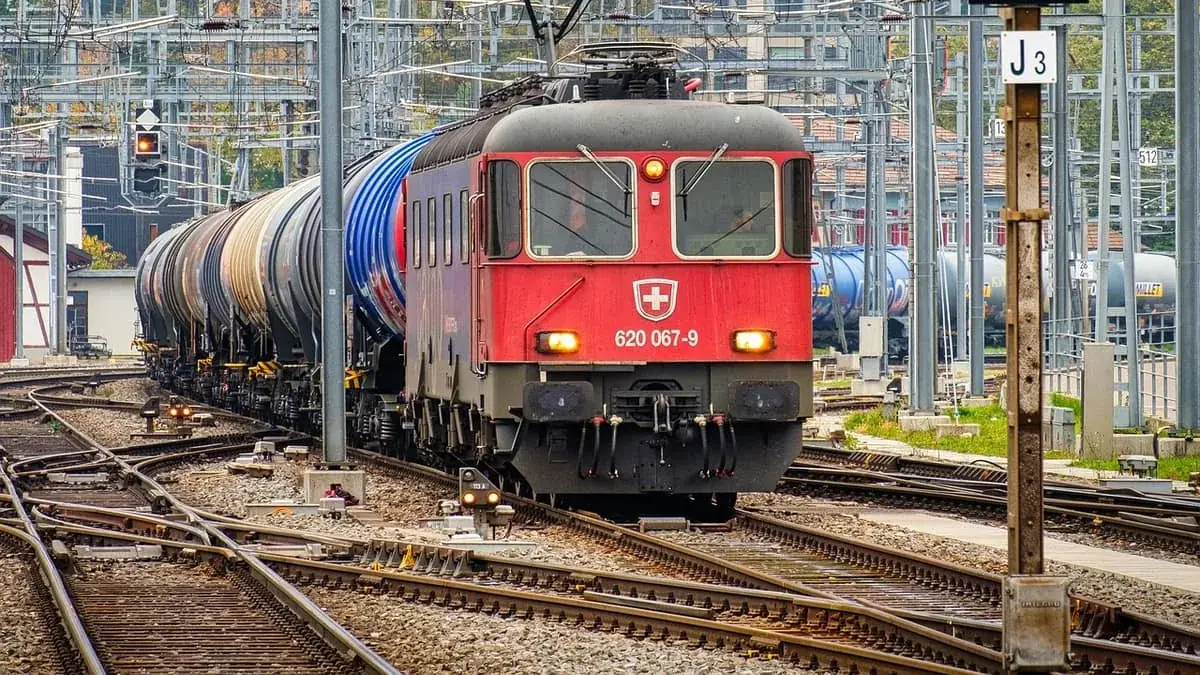
A teacher shares his experience of cycling between Milan and Varese, highlighting the challenges and potential of a more sustainable system.
Context
In brief
- A professor from Insubria uses bike and train to reach the university
- Critical route between Varese Nord and the Bizzozero campus
- Lack of bike lanes and dangers for cyclists
Key facts
- What: Experience of cycling commuting
- When: Currently
- Where: Between Milan and Varese
- Who: Alberto Castelli, professor at the University of Insubria
- Amount: Not specified
A professor at the University of Insubria, Alberto Castelli, has decided to share his experience of sustainable commuting between Milan and Varese. Every day, Castelli leaves his home by bicycle, reaches the Cadorna square station in Milan, where he takes the train with his bicycle, and gets off at Varese Nord. From there, he cycles to the Bizzozero campus, where he teaches. This method, which seems ideal for a northern European country, clashes with the infrastructural difficulties of Varese.
The route from the Varese Nord railway station to the Bizzozero campus is not easy for cyclists. Castelli has to face two dangerous intersections, where it is advisable to get off the bike and cross on foot on the pedestrian crossings to avoid accidents. One of the most critical points is Largo Ennio Flaiano, where drivers come from two directions and are impatient to enter the highway. After these intersections, Castelli takes viale Borri, where neither bicycles nor pedestrians are allowed in some stretches.
The cyclist's revenge
Once arrived in front of the university campus, Castelli has his small revenge. While cars are congested in the parking lot and in line on Dunant street, he can tie his bike a few meters from the entrance of the building where he teaches. This allows him to avoid traffic chaos and arrive in a faster and more sustainable way.
…
Operational details
Castelli's experience highlights the potential of a more sustainable transport system, but also the challenges that still persist. The lack of adequate infrastructure for cyclists in Varese is a significant obstacle. A bike path connecting the center of Varese to the Bizzozero campus could make a big difference.
Implications for cross-border commuters
For cross-border workers who commute to Lombardy and live in Ticino, Castelli's experience offers an example of how sustainable commuting can be achieved. However, the infrastructural difficulties highlighted in his story show that there is still much to be done to make cycling a safe and accessible choice for everyone.
Comparison with other cities
In many cities in Northern Europe, such as Copenhagen and Amsterdam, cycling infrastructure is well developed and safe. This has led to a significant increase in the number of people choosing the bicycle as their main means of transport. In Varese, however, the situation is still far from these standards.
Future scenarios
If Varese decided to invest in cycling infrastructure, it could become a model for other Italian cities. This would not only improve the quality of life for residents but also for cross-border workers who cross the border every day to work in Lombardy. Furthermore, a more sustainable transport system could attract new students and teachers, contributing to the economic and cultural development of the city.
Useful tools to protect your net income
To reduce FX leakage, compare CHF-EUR exchange options and banks for cross-border workers.
Key points
For cross-border workers who wish to follow Castelli's example and start using the bicycle for commuting, there are a few things to consider. First, it's important to evaluate the route and available infrastructure. In Varese, for example, there are still many challenges, but with a bit of planning and attention, it's possible to find alternative solutions.
Procedure for bicycle commuting
1. Evaluate the route: Identify the safest and most convenient route to reach your workplace. In Varese, for example, it's important to avoid critical points like Largo Ennio Flaiano. 2. Use public transport: If the route is too long or dangerous, you can combine the bicycle with public transport, as Castelli did. Many trains and buses allow you to carry your bicycle with you. 3. Plan your time: Commuting by bicycle can take more time than by car. It's important to plan the necessary time to avoid delays. 4. Use available infrastructure: In Varese, for example, there are some bike paths and pedestrian routes that can be used to make the journey safer and more convenient.
Useful tools
For cross-border workers who want to plan their bicycle route, there are several tools available. For example, the route calculator can help identify the safest and most convenient route. Additionally, the public transport comparator can be useful for planning your train or bus journey.
Conclusion
Castelli's experience shows that bicycle commuting is possible, but it requires careful planning and the use of available infrastructure. For cross-border workers who wish to follow his example, it's important to evaluate the route, use public transport when necessary, and plan the necessary time. With a bit of attention and preparation, it's possible to make bicycle commuting an accessible and sustainable choice.
…
Frequently Asked Questions
- What are the main obstacles for cycling commuting in Varese?
- The main obstacles for cycling commuting in Varese are the lack of adequate infrastructure and the presence of critical points such as Largo Ennio Flaiano, where drivers come from two directions and are impatient to enter the highway. Additionally, Viale Borri is not designed for bicycles and pedestrians in some sections.
- How can I plan my cycling route to avoid critical points?
- To plan your cycling route and avoid critical points, you can use tools like the [route calculator](nav:calculator) and the [public transport comparator](nav:transport). It's also important to evaluate the route and available infrastructure, and plan the time needed to avoid delays.
- What are the benefits of cycling commuting?
- The benefits of cycling commuting include a reduction in traffic and pollution, greater environmental sustainability, and an improvement in physical and mental health. Additionally, it can help reduce stress and chaos on the roads and at university.