Yes to a neutral and independent Switzerland
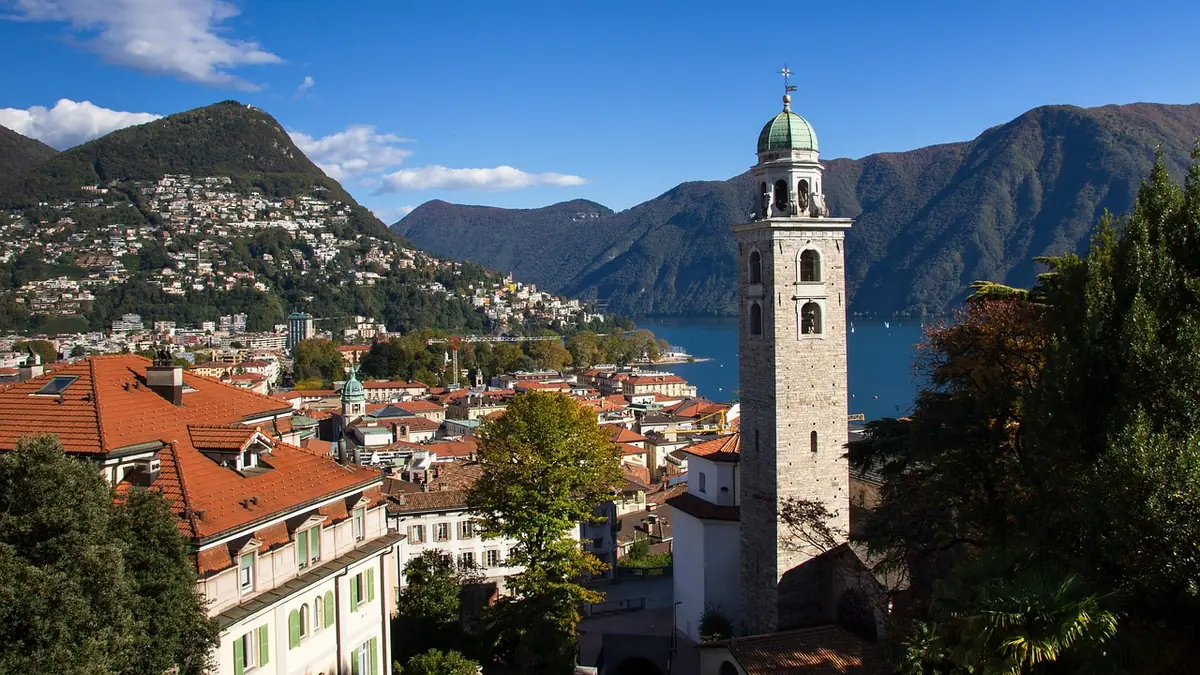
National Councillor Lorenzo Quadri: 'Neutrality is not a comfortable choice, it presupposes a straight back'
Context
Yes to a neutral and independent Switzerland
Neutrality is not a comfortable choice, but it presupposes a straight back. It means resisting the pressures of the belligerents to take sides. This is our commitment, not an accessory to put on and take off according to the fashions of the moment.
Switzerland has a long tradition of neutrality, dating back to the end of the First World War. In 1920, the Swiss people voted to join the League of Nations, the international organization that would later give birth to the United Nations. However, Switzerland has always maintained its neutrality, refusing to join World War II and maintaining diplomatic relations with both sides.
Neutrality is not only a matter of principle, but also a practical choice. Switzerland has a strong and stable economy, which is largely dependent on trade and exports. If Switzerland were to side with either side, it could lose access to both sides' markets, with negative consequences for the national economy.
In addition, neutrality allows Switzerland to maintain its independence. Switzerland is not a member of the European Union, but has a free trade agreement with the EU, which allows it to export goods and services without customs. Neutrality allows Switzerland to maintain this agreement, without having to give up its sovereignty.
Neutrality is also a matter of security. The
Operational details
Key facts
- Popular initiative of 27 September
- Neutrality is part of the essence of Switzerland
- Switzerland does not participate in military conflicts
- It does not impose economic sanctions on belligerent countries, except those decided by the UN Security Council
Yes to a neutral and independent Switzerland Switzerland is a country known for its neutrality and independence, values that have been fundamental in its history and identity. On 11 September 2023, the Federal Council launched a broad public consultation to discuss the future of Swiss neutrality. Switzerland is a member of the United Nations (UN) and has signed the 1949 Geneva Convention, which protects civilians in time of war. Switzerland is also a member of the International Committee of the Red Cross (ICRC), which works around the world to protect victims of conflict. Switzerland does not participate in military conflicts and does not impose economic sanctions on belligerent countries, except those decided by the UN Security Council. Switzerland has also signed the 1967 Geneva Convention, which regulates the protection of linguistic and religious minorities. In Switzerland, neutrality is a sensitive issue. In 2002, the people voted in favour of a law stating that Switzerland will not take part in military conflicts. The law was subsequently amended in 2013 to allow Switzerland to participate in missions - Switzerland has set greenhouse gas emission reduction targets with the Paris Climate Convention. #
Comparisons between practical scenarios:
- Switzerland is a very different country from other European countries, with a tradition of neutrality and independence.
- Switzerland is a very secular country, with a tradition of tolerance and hospitality, compared to countries like France or Italy.
- Switzerland is a very green country, with 22% of its territory protected as a nature reserve, compared to countries such as Germany or the Netherlands.
Useful tools to protect your net income
To reduce FX leakage, compare CHF-EUR exchange options and banks for cross-border workers.
Key points
Practical Implications
- Neutrality must not be left to the mercy of the rulers of the moment
- It's made for citizens, not politicians
- Switzerland must maintain its independence
- Cannot join the political and military structures of the EU and NATO
- Neutrality is made for peace
Why is Switzerland so important to Europe?
Switzerland is a strategic country that plays a crucial role in maintaining stability and security in Europe. With its central geographical position and historical neutrality, Switzerland is an important meeting point for European nations and a guarantor of peace and stability in the region.
Neutrality as a guarantee of peace
Switzerland's neutrality is a key factor for peace and stability in Europe. Switzerland is not a member of any military alliance and does not participate in armed conflicts. This makes it an important arbiter in conflict resolution and a guarantor of peace in the region.
"Switzerland's neutrality is a fundamental value for peace and stability in Europe." - Alain Berset, President of the Swiss Confederation
Switzerland and the EU: a complex relationship
Switzerland has a complex relationship with the European Union. It is not a member of the EU, but has signed several free trade and cooperation agreements with the organisation. This relationship allows Switzerland to benefit from the advantages of the single market
Evaluating a Ticino job offer? Simulate your net payslip: enter gross salary, marital status and municipality for a detailed breakdown.
Source: tio.ch
Frequently Asked Questions
- Why is Switzerland's neutrality important?
- Neutrality is part of the essence of Switzerland. It keeps us away from wars and allows us to do business with as many countries as possible.
- What happens if Switzerland does not maintain neutrality?
- If Switzerland does not maintain neutrality, it will lose its independence and could join the political and military structures of the EU and NATO.
- How can I cast my vote on neutrality?
- The neutrality vote will take place on September 27. It is important to participate and cast your vote.
Related articles
- All articles: Franc and prices
- Il Consiglio federale intende mantenere l'attuale margine di manovra sulla neutralità
- La sinistra vota sì all'iniziativa sulla neutralità
- Neutralità: la prassi attuale è nell'interesse della Svizzera
- Pacifismo vs neutralità armata: il no dei Verdi
- Voti federali: neutralità e alimentazione alle urne in Svizzera