Switzerland-China: Optimised trade agreement
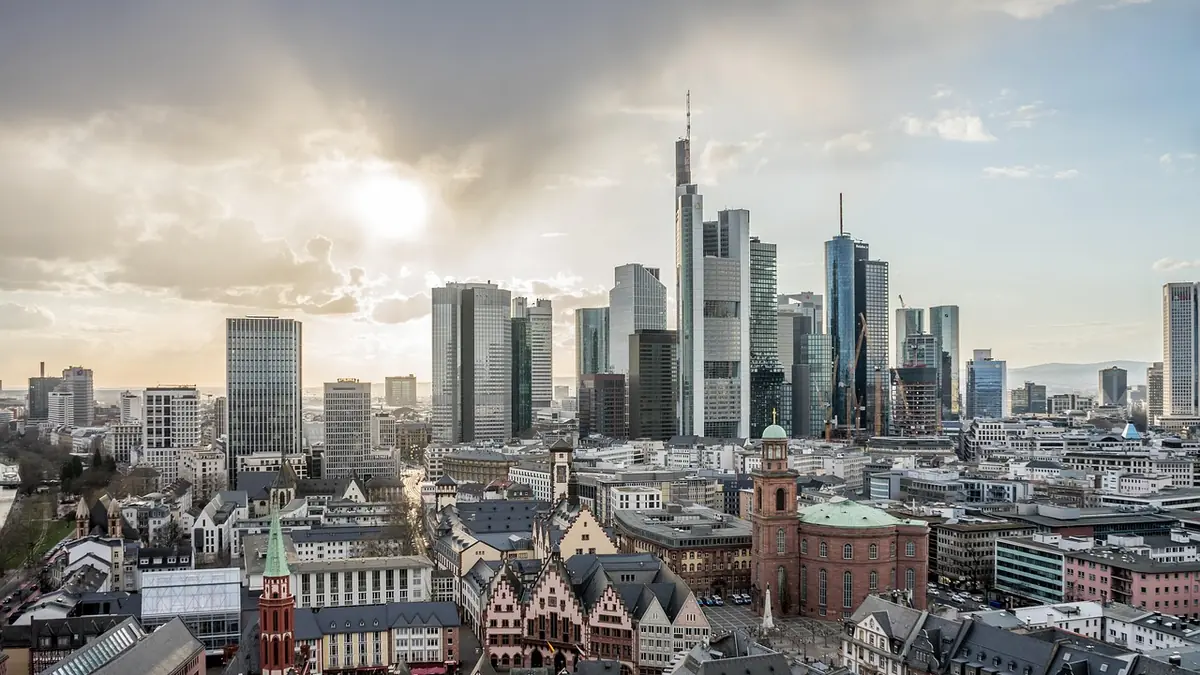
Negotiations concluded: 99.8% of Swiss exports to China will have customs exemption. Signature expected in 2026.
Context
In a nutshell
- Optimized Switzerland-China agreement concluded after 5 rounds of negotiations
- 99.8% of Swiss exports will have customs exemption
- Signature expected in 2026 after legal checks
- China is Switzerland's 3rd largest trading partner
Key facts
- What: Optimisation of the free trade agreement between Switzerland and China
- When: Announced Thursday; signature expected in 2026
- Where: Bern (place of the meeting between ministers)
- Who: DEFR, Guy Parmelin, Wang Wentao (Chinese Trade Minister)
- Profit: 99.8% Swiss exports to China duty-free
- Impact: Guaranteed access for Swiss investors to the Chinese market
The agreement that strengthens Swiss exports
On Thursday, the Federal Department of Economy, Training and Research (DEFR) announced the conclusion of negotiations between Switzerland and the People's Republic of China on optimising the free trade agreement. The announcement followed a meeting in Bern between Confederation President Guy Parmelin and Chinese Trade Minister Wang Wentao.
The current imbalance is stark: while almost all Chinese imports into Switzerland already benefit from the customs exemption, only about half of Swiss exports to China enjoyed the same treatment. With the optimized chord, this situation changes radically. 99.8% of Swiss exports will be able to enter the Chinese market duty-free — a significant leap
Operational details
What's changing for Swiss companies
The streamlined agreement transforms the competitive landscape for Swiss exporters. To date, the gap between Chinese access to the Swiss market (almost total) and Swiss access to the Chinese market (about 50%) has represented a critical asymmetry. The move to 99.8% duty-free eliminates significant trade friction.
For the Swiss economy, full duty exemption reduces export costs to China and increases international competitiveness. The reduction of customs tariffs has a cross-cutting impact on all sectors that currently export to the Asian country.
Swiss investors' guaranteed access to the Chinese market opens up further opportunities. The aziende svizzere will be able to invest directly — establish branches, research centers and commercial offices — in a context of legal protection. It is a crucial element for companies that focus on Asia.
The strengthened provisions on the environment and workers' rights reflect Switzerland's orientation towards fair trade. For Swiss companies, it means regulatory clarity and alignment with the expectations of European civil society.
The importance of this optimization emerges from the weight of China: it is the third largest trading partner of the Confederation after the EU and the US. The Confederation aims to diversify the outlet markets for Swiss companies, reducing their dependence on market fluctuations
Useful tools to protect your net income
To reduce FX leakage, compare CHF-EUR exchange options and banks for cross-border workers.
Key points
How to Prepare for the Agreement: Concrete Steps for Swiss Companies
For Swiss companies interested in strengthening their presence in China, the first step is to monitor the progress of the agreement's signature — expected by 2026.
Calculate Immediate Savings. If your company exports today to China, the total exemption from tariffs significantly reduces export costs. Quantify the share of your current costs represented by customs duties — you can reinvest the savings in growth or innovation.
Plan direct investments in China. The guaranteed access of Swiss investors to the Chinese market represents a concrete opportunity for those who intend to expand in Asia. Evaluate local partnerships, joint ventures, or production facilities — the regulatory framework is now more transparent.
Align with environmental and labor rights standards. The strengthened provisions of the agreement place greater emphasis on these issues. For Swiss companies, this means clarity on the expected standards in bilateral commercial relations.
The export sector job opportunities are growing. If you work in an export company, this optimization of the agreement may open up new roles in international trade, logistics, and regulatory compliance towards China.
Follow the legislative process. Once the agreement is signed in 2026, the two countries will initiate their respective parliamentary approval procedures. The process may take several months. Stay informed through the channels of the Federal Department of Economic Affairs and the State Secretariat for Economic Affairs.
Swiss companies operating in international trade find this diversification of markets — as emphasized by the Confederation — a growth strategy. China, as the third-largest trading partner of Switzerland, represents a crucial market for the next decade.
To delve deeper into the opportunities and manage your China trade strategy, consult the data and resources on companies hiring in the export sector.
Compare the CHF/EUR exchange rate in real time across providers: save up to 1.5% on monthly transfer fees.
Source: rsi.ch
Frequently Asked Questions
- When will the new Switzerland-China agreement come into force?
- The signature is still expected during 2026, after the completion of the legal checks. The approval procedures in the two countries will then follow — the Swiss and Chinese Parliaments will have to ratify the agreement. This process may take several months beyond the official signature.
- What are the main benefits of the optimized arrangement?
- 99.8% of Swiss exports to China will enter the market duty-free, compared to about 50% today. In addition, the agreement guarantees Swiss investors access to the Chinese market and strengthens the provisions on the environment and workers' rights. These advantages increase the competitiveness of Swiss companies.
- What changes for Swiss investors who want to operate in China?
- The streamlined agreement ensures Swiss investors' access to the Chinese market with legal protection. Companies will be able to establish production subsidiaries, research centers and sales offices in China in a more transparent and secure regulatory environment.
- Does the agreement affect Chinese imports into Switzerland?
- No significantly. Chinese imports into Switzerland already benefited from almost total customs exemption in the previous 2014 agreement. The optimised agreement focuses on reducing barriers for Swiss exports to China, addressing the previous asymmetry.
- How long did it take to negotiate the new agreement?
- Negotiations on this optimisation of the 2014 agreement were launched in September 2024 and concluded after 5 rounds of negotiations. The process took about 10-11 months of intensive negotiations between the Swiss and Chinese delegations.
Related articles
- All articles: Agreements and politics
- Svizzera-Cina, svolta storica: verso l'addio ai dazi sull'export elvetico
- Dazi USA e accordo 2026: cosa cambia per la Svizzera
- Di più Svizzera-GB: fine negoziati su accordo aggiornato libero scambio
- Svizzera-Cina: intesa per eliminare i dazi doganali
- Esportazione di carne suina dalla Svizzera in Cina