Increased IV pensions put insurance companies in financial difficulty
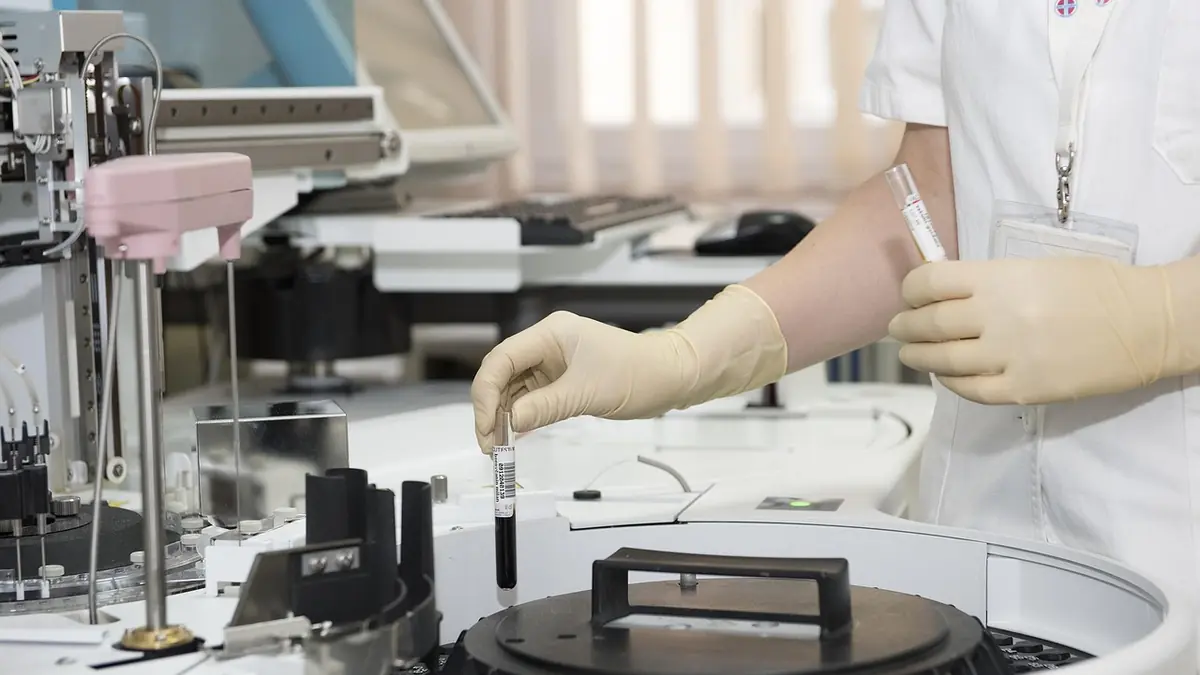
The sharp increase in new IV pensions is putting disability insurance in financial difficulty.
Context
In brief
- The increase in IV pensions puts insurance companies in financial difficulty.
- The first payment of the 13th month AHV payment results in a negative result.
- The distribution deficit of the IV could grow to around CHF 800 million by 2030.
Key facts
- What: Increased IV pensions and AHV financial difficulties.
- When: The IV deficit could grow to around CHF 800 million by 2030.
- Where: Bern, Switzerland.
- Who: Federal Social Insurance Office (FSIO).
- Amount: IV distribution deficit could grow to around CHF 800 million by 2030. The sharp increase in new IV pensions is putting disability insurance in financial difficulty. For the AHV, on the other hand, the first payment of the 13th month will result in a negative result, the Federal Social Insurance Office (FSIO) indicated today. Without countermeasures, the annual distribution deficit of the IV
- i.e. the difference between income and expenditure, without investment results or interest expenses
- could grow to around 800 million francs by 2030, it is specified. Already in 2025, the deficit reached 209 million francs. In addition, the assets of the IV were around 17 percentage points below the minimum legal threshold of 50% annual expenditures in 2025.
Concrete examples In 2025, the canton of Zurich recorded a 15% increase in new IV pensions, making a significant contribution to the overall deficit. This increase is due in part to an aging population and an increase in chronic diseases. For example, in 2024, the number of new IV pensions in the canton of Geneva increased by 12%, at an additional cost of around CHF 50 million.
Regulations and dates The Federal Act on Social Insurance (ISA) stipulates that the assets of the IV do not fall below 50% of the annual expenditure. However, in 2025, assets were at 33%, well below the minimum threshold. This has led to an urgency for reform, with the federal government proposing a series of measures to reduce the deficit.
Operational checklists 1. Reduction of new IV pensions: Implement rehabilitation and reintegration programs to reduce the number of new pensions. 2. Increased revenue: Examine the possibility of increasing contributions or reducing tax exemptions. 3. Investment optimization: Review your investment strategy to maximize returns without increasing risk. 4. LASI reform: Propose legislative changes to improve the financial sustainability of AI.
Comparisons of practical scenarios If no countermeasures are taken, the IV deficit could reach CHF 800 million by 2030. However, with the implementation of the proposed measures, the deficit could be reduced to 300 million francs by the same date. This comparison highlights the importance of early action to ensure the financial sustainability of IV.
Quote > "The financial situation of the IV is critical and requires immediate action. We must work together to find sustainable solutions that ensure the financial stability of disability insurance," said the FSIO director.
Conclusion
The increase in IV pensions and the negative result of the first payment of the 13th month AHV salary highlight the need for urgent reforms. Without countermeasures, the AI deficit could grow significantly, putting the financial sustainability of insurance at risk. It is crucial that the federal government, cantons and stakeholders work together to implement effective solutions and ensure the financial stability of AI.
Operational details
The financial outlook for old-age and survivors' insurance (AVS) is dominated by the 13th monthly annuity that will be paid for the first time in December 2026. As the costs of about CHF 4 billion arising from this benefit are not yet covered, the apportionment deficit would increase from the current CHF 1.3 billion to about CHF 4.9 billion in 2035. Possible relief could come from additional funding via a 0.4 percentage point VAT increase. The people will still have to express themselves on this aspect. If approved and implemented starting in 2028, the GVA deficit in 2030 would be more than halved, from 2.7 to about 1.2 billion francs.
Impact of the 13th Monthly Income The 13th monthly income, introduced with the AVS 21 reform, represents a significant innovation for AVS beneficiaries. This additional annuity, amounting to approximately CHF 1,250, will be paid once a year and will have a direct impact on the insurance finances. For example, a Zurich pensioner currently receiving a monthly annuity of CHF 2,500 will see his annual income increase by CHF 15,000, thanks to the 13th annuity.
Distribution Deficit AVS distribution deficit is set to grow significantly in the coming years. Currently, the deficit amounts to CHF 1.3 billion, but with the introduction of the 13th annuity, this number will rise to CHF 4.9 billion in 2035. This increase is due to
Useful planning tools
To estimate your pension strategy, use the pension planner and the pillar 3 simulator.
Key points
For Swiss taxpayers, it is crucial to monitor the decisions of the Federal Council and the popular votes regarding changes to social insurance. These decisions can have a significant impact on your financial situation. You can use our calcolatore di stipendio to better understand the impact of tax and social security changes.
FAQ
- Question: What is the amount of the IV distribution deficit in 2025? Answer: The distribution deficit of the IV in 2025 reached CHF 209 million. This deficit is the result of a combination of factors, including rising pension claims and an aging population. For example, in the canton of Zurich, the number of IV beneficiaries increased by 5% compared to the previous year, further contributing to the deficit.
- Question: When will the 13th monthly AHV pension be paid out for the first time? Answer: The 13th monthly AHV pension will be paid out for the first time in December 2026. This measure was introduced to provide additional financial support to the elderly, particularly during the Christmas period. For example, a pensioner who receives a monthly pension of 1,500 francs will see an increase of 150 francs for the month of December.
- Question: What is the possible financial relief for the AHV? Answer: A possible financial relief for the AHV could come from additional financing through a VAT increase of 0.4 percentage points. This increase, if approved, could generate around CHF 500 million per year, helping to reduce the AHV deficit. For example, in the canton of Geneva, the increase in VAT could lead to an increase in tax revenue of around 50 million francs per year.
Operational Checklist
- Monitor Federal Council decisions: Follow Federal Council meetings to keep up to date with the latest decisions regarding social insurance.
- Use the salary calculator: Enter your details into our calcolatore di stipendio to assess the impact of tax and social security changes.
- Participate in popular votes: Find out about upcoming popular votes and actively participate in influencing decisions concerning social insurance.
Comparison of Practical Scenarios
- Scenario 1: Without a VAT increase: If the VAT increase is not approved, the AHV could face a growing deficit, with possible pension cuts or contribution increases.
- Scenario 2: With VAT increase: If the VAT increase is approved, the AHV could benefit from additional financing, reducing the deficit and ensuring the long-term sustainability of pensions.
Regulations and Key Dates
- Disability Insurance Act (LAI): The LAI provides that the Federal Council may take measures to ensure the financial sustainability of the IV.
- Old-Age and Survivors' Insurance Act (LAVS): The LAVS introduces the 13th monthly AHV pension, which will be paid out for the first time in December 2026.
- VAT increase: The proposal to increase VAT by 0.4 percentage points will be put to a popular vote in 2025.
Conclusion Monitoring the decisions of the Federal Council and actively participating in popular votes is crucial for Swiss taxpayers. Using tools like our calcolatore di stipendio can help you better understand the impact of tax and social security changes on your financial situation.
Source: tio.ch
Frequently Asked Questions
- What is the amount of the AI allocation deficit in 2025?
- The AI allocation deficit in 2025 reached CHF 209 million.
- When will the 13th monthly AVS annuity be paid for the first time?
- The 13th monthly annuity of the AVS will be paid for the first time in December 2026.
- What is the possible financial relief for AVS?
- Possible financial relief for AVS could come from additional funding via a 0.4 percentage point VAT increase.