Swiss health system LAMal: how it works (cross-border guide)
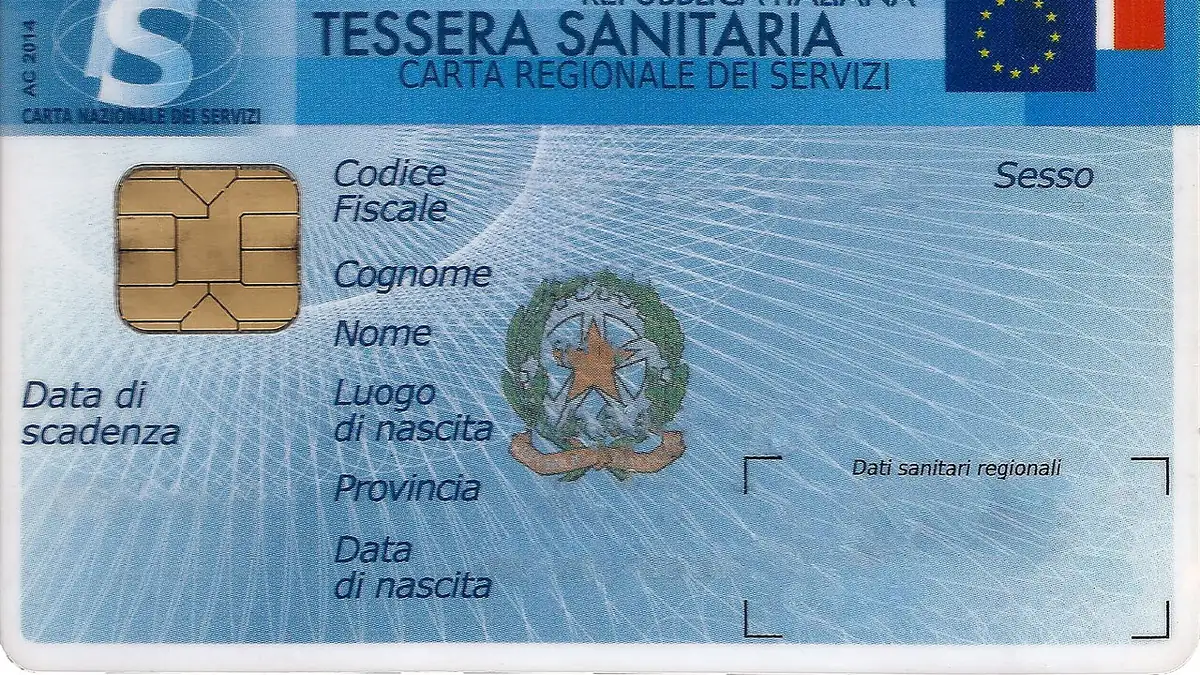
Practical guide to the functioning of the health system in Switzerland: LAMal obligation, choice of sick pay, deductibles and reimbursements.
Context
In a nutshell
- The health system is based on the mandatory LAMal insurance.
- Frontier workers in possession of the G permit have the right of option.
- Adult deductibles range from CHF 300 to CHF 2500.
- Switzerland is not an EU/EEA member.
Key facts
- What: LAMal mandatory health system
- When: Constantly in force for residents and workers
- Where: Swiss Confederation
- Who: UFSP/BAG, sick funds
- Amount: Adult deductibles from CHF 300 to CHF 2500
The Swiss health system is regulated by LAMal, the compulsory health insurance that guarantees access to basic care. Unlike other models, this is not a 'health tax', but a private coverage that is mandatory by law. For frontier workers, the right of option allows you to choose between the Swiss system and that of your country of residence, in accordance with the agreements in force. Switzerland, which is not an EU/EEA member, manages the system through the FOPH/BAG that monitors sick funds. It is important to remember that Swiss rates and contributions are defined by federal and cantonal laws, with deductions including AVS/AI/IPG at 5.3% payable by the employee, AD/AC at 1.1% (with a cap of CHF 148'200), the LAINF ranging between 0.7% and 1.5%, and the LPP ranging between 7% and 18% depending on the age group for workers aged 25 and over. The New Frontier Agreement, signed on 23 December 2020, entered into
Operational details
Performance and cost management
The functioning of the Swiss health system is based on a structure where the insured actively participates in the costs. In addition to the monthly premium, the insured pays an annual excess of between CHF 300 and CHF 2500. There are three pillars of participation: the fixed deductible, the percentage rate (usually 10% on costs in excess of the deductible) and the daily hospitalisation fee. The system is administered by health insurance funds, which offer different insurance models (such as the family medical model or the telmed model) to optimise costs. It is essential to distinguish between the benefits covered by LAMal, which are standardized at the federal level, and supplementary insurance, which are optional and regulated by private law. For frontier workers who choose LAMal, the cost of the premium is linked to the employer's canton of residence. The comparison between the different models is essential for those who have to manage their budget between Swiss costs and the Italian tax burden. Tax at source, managed by the AFC/ESTV and cantonal administrations, should not be confused with AVS social security contributions or insurance premiums. Recall that the BFS (Federal Statistical Office) collects the data but does not set the rates. Those who want to deepen their income situation can use our calcolatore for a precise estimate. The structure of contributions, between AVS/AI/IPG at
Useful planning tools
To estimate your pension strategy, use the pension planner and the pillar 3 simulator.
Key points
Enrollment procedure and requirements
To activate health insurance coverage in Switzerland, workers must submit the required documentation to their chosen health insurance fund. The process begins with requesting the enrollment form, which must be completed with personal details and the employment certificate. It is necessary to notify the competent authority regarding one's right of option, especially for cross-border commuters. Once the LAMal contract is signed, the insured person receives a health insurance card, which must be presented for hospital admissions or specialist visits. In case of emergency, the Swiss system guarantees immediate first aid, regardless of the health insurance fund, with subsequent billing. Regarding taxation, the Swiss employer performs the withholding tax on income, while the worker must manage the tax return in Italy, including the tax credit to avoid double taxation. It is vital to keep all receipts of contributions paid, including those for AVS/AI/IPG at 5.3% and LPP shares (7–18%), as they are essential for the correct completion of the CE section in the 730 form. Managing your net salary requires attention to detail: we invite you to use the calculator tool to verify the impact of contributions and taxes on your monthly income. We also remind you that tax rates are established by cantonal and federal laws, not by health insurance funds. For those who need an overview of costs and planning, our portal offers updated resources for every need. Proper management of deadlines is the first step toward a peaceful life in Switzerland; ensure you update your status with the competent administration whenever there are changes to your contract or residence. For further analysis on the topic, you can refer to the in-depth services on the cost of…
Frequently Asked Questions
- What is the difference between LAMal and complementary insurance?
- LAMal is the mandatory health insurance that covers basic benefits defined by federal law. Supplementary insurance is optional, governed by private law, and offers additional coverage not included in the standard package, such as dental care or stays in private rooms in hospitals.
- How is double taxation for border workers managed?
- Switzerland applies income tax at source. To avoid double taxation, Italy recognises the tax credit pursuant to the Convention of 9 December 1976. Workers must indicate the income produced in Switzerland in the EC framework of the Italian tax return (form 730).
- What are the deductibles for adults?
- For adults, the annual deductible, that is, the share of health costs borne by the insured before the sick pay fund begins to reimburse benefits, can be freely chosen in a range between CHF 300 and CHF 2500.
Related articles
- All articles: Health and insurance
- Sistema sanitario svizzero LAMal nel Canton Vaud 2026
- Sistema sanitario: difficoltà per molti cittadini svizzeri
- Guida al sistema sanitario svizzero: obbligo LAMal, scelta della cassa, franchigie e rimborsi.
- Guida al sistema sanitario svizzero LAMal: obbligo, scelta della cassa, franchigia e rimborsi.
- Sistema sanitario svizzero LAMal: la guida 2026