Fireworks, the right launches the no campaign against the initiative
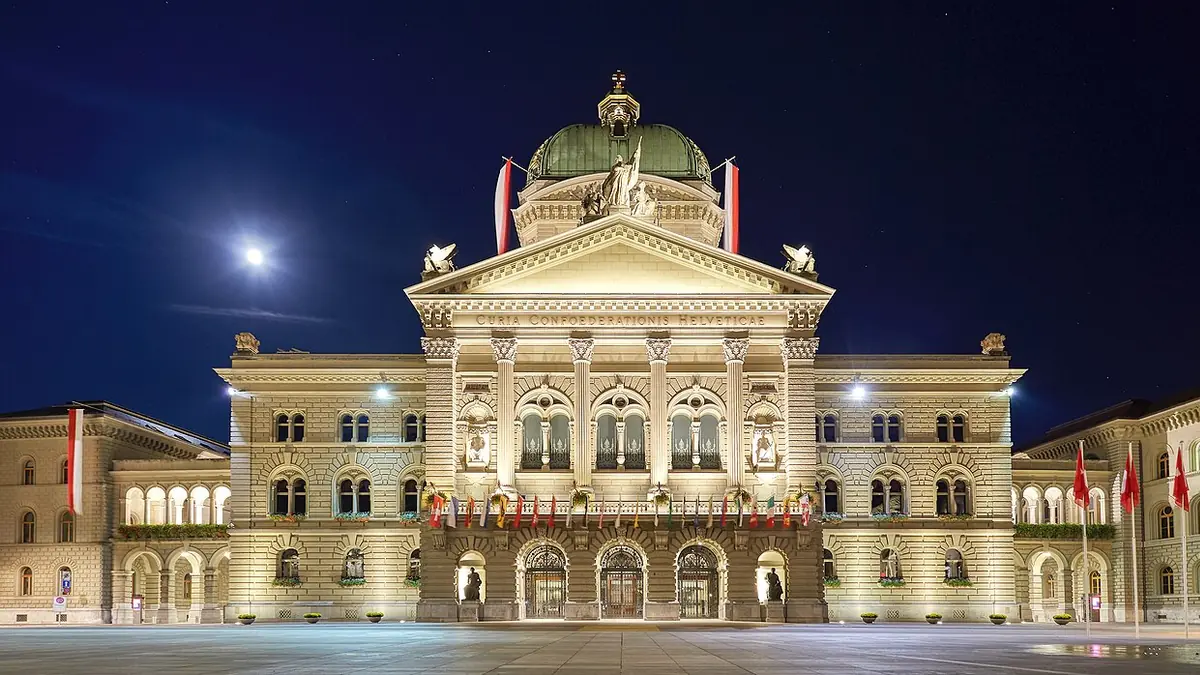
Campaign against the fireworks initiative kicks off on Tuesday: the vote is on November 29. Centro, PLR, UDC and the business community support the no vote.
Context
TL;DR
- The opposing committee launched the campaign on Tuesday.
- The vote on the initiative is scheduled for November 29.
- The text concerns noise and emissions from fireworks.
- Centro, PLR, UDC and the business community reject the ban.
Key facts
- Initiative → protection of people, animals and the environment
- Vote → November 29
- Exceptions → large supra-regional events, at the discretion of the cantons
- Opponents → Centro, PLR, UDC and the business community
On Tuesday, the committee opposed to the fireworks initiative launched its campaign ahead of the November 29 vote. The message chosen to present the no vote is “What unites us must remain.”
For the right wing and the business community, the campaign’s focus is the method: protection should not be entrusted to bans, but to responsibility. This position was made public by the committee opposed to the proposal.
The text at the center of the debate was presented by organizations for the protection of animals. It calls for greater protection of people, animals and the environment from the noise and emissions caused by fireworks. The proposal therefore links the issue to the protection of three interests explicitly identified in the text: people, animals and the environment.
What the text provides
Alongside the call for greater protection, the proposal provides for some exceptions. They concern large supra-regional events, and the decision in these cases is left to the cantons. The exception is therefore not presented as automatic: the text gives the cantons discretion over whether it can be applied.
The no camp brings together representatives of Centro, PLR and UDC, along with the business community. In a statement, they say they oppose a disproportionate nationwide ban. The objection concerns both private celebrations and events organized by associations or organizations: according to their position, both would suffer as a result.
The campaign is defined by two approaches. On the one hand, the organizations promoting the initiative are calling for greater protection from noise and emissions, with exceptions for large supra-regional events left to the cantons. On the other, the opposing representatives and the business community reject the idea of a nationwide ban and call for a focus on responsibility.
For the Swiss reader, the political point to follow is the distinction between a national rule and the exceptions left to the cantons. The November 29 vote will be the moment identified by the source for comparing these two positions, together with the consequences envisaged for private celebrations and organized events.
Operational details
The practical crux of the proposal emerges when distinguishing the contexts in which fireworks are used. The source does not treat them all in the same way: the no camp's statement mentions private parties and organized events, while the text of the initiative provides for an exception for major supraregional events.
Three areas to distinguish
| Area | What emerges from the source |
|---|---|
| Private parties | The opposing side argues that they would be affected. |
| Events organized by associations or organizations | The statement lists them among the activities that would be affected by the national ban. |
| Major supraregional events | The text provides for exceptions and leaves the decision to the cantons. |
This distinction changes how the vote is read. For a private party, the comparison is between the greater protection sought by the initiative and criticism of a national ban. For an association or organization, the point is that the no camp considers its events potentially affected by the measure. For a major supraregional event, however, the text does not close off every possibility: it provides for an exception, but leaves it to the discretion of the cantons.
The source expressly indicates cantonal discretion regarding exceptions for major supraregional events; it does not describe private parties or events organized by associations and organizations in the same way. For this reason, the role of the cantons is indicated in the passage on exceptions, while the position of representatives of Centro, PLR, UDC and the business community concerns the idea of a national ban considered disproportionate.
The comparison thus sets out two different criteria. The first measures protection from noise and emissions for people, animals and the environment. The second assesses whether a national rule could affect private parties and association initiatives. The vivere in Svizzera guide offers a separate path for other issues of national life; here the focus remains the relationship between protection, responsibility and cantonal discretion.
Recommended tools
For an updated estimate, use the net salary calculator and the CHF-EUR exchange comparator.
Key points
Before November 29, the reader can turn the text into a simple evaluation grid. The aim is not to add rules not present in the source, but to distinguish precisely between what the initiative is requesting and the response of the opposing committee.
Four steps for reading the proposal
1. Set the objective: start from the request for greater protection for people, animals and the environment and connect it to the two effects indicated, noise and emissions from fireworks. 2. Separate the instrument: compare the request contained in the text with the no camp's position, which prefers responsibility over bans and rejects a national ban deemed disproportionate. 3. Classify the case: ask yourself whether the reference is a private party, an event organized by an association or a public body, or a large supraregional event. 4. Check the exception: for large supraregional events, the proposal indicates an exception, whose application is left to the discretion of the cantons.
This sequence avoids two confusions. The first is mistaking the cantonal exception for a general freedom regarding every use of fireworks. The second is reading the proposal as if it concerned only large events, when the no campaign's statement also refers to private parties and events organized by associations or public bodies.
The date to mark on the calendar is November 29, the date indicated for the vote. Before that day, the comparison sheet can remain anchored to three questions: what protection is being requested, which activities the opposing side considers exposed, and what space is left to the cantons. For an overview of another national issue, you can consult costo della vita in Svizzera. To complete the consultation with a tool on the site, use calcolatore stipendio e imposte.
Source: rsi.ch
Frequently Asked Questions
- What does the initiative on fireworks call for?
- The text, submitted by animal protection organizations, calls for greater protection of people, animals and the environment from noise and emissions caused by fireworks. It also provides for some exceptions for major supraregional events, leaving the decision to the cantons, ahead of the November 29 vote.
- Who supports voting no on the initiative?
- The no vote is supported by representatives of the Centre, PLR and UDC, as well as by the business community. In a statement, these groups say they oppose a disproportionate national ban. Their position points to the possible effects on private celebrations and events organized by associations or organizations, indicating responsibility as an alternative to bans.
- What exceptions are provided for large events?
- The initiative, submitted by animal protection organizations, provides for some exceptions for major supraregional events. The decision is left to the discretion of the cantons, without being presented as automatic. For these events, therefore, the text leaves the decision on applying the exception to the cantons within the framework of the November 29 vote.
- When is the initiative voted on?
- The opposing committee's campaign was launched on Tuesday ahead of the November 29 vote. The source presents this vote as the moment of the confrontation over the initiative. The committee argues that the focus should be on responsibility rather than bans and rejects a national ban deemed disproportionate.
Related articles
- All articles: Agreements and politics
- Fuochi d'artificio: iniziativa per limitarne l'uso
- Sondaggio gfs: neutralità no, alimentazione 50-50
- Manifestazione anti-G7, il dispositivo di contenimento era lecito
- Deduzione da ristorni frontalieri contraria a accordi con Roma
- Traffico aereo e emissioni: ritorno ai livelli pre-Covid