Eurozone inflation: new three-year peak
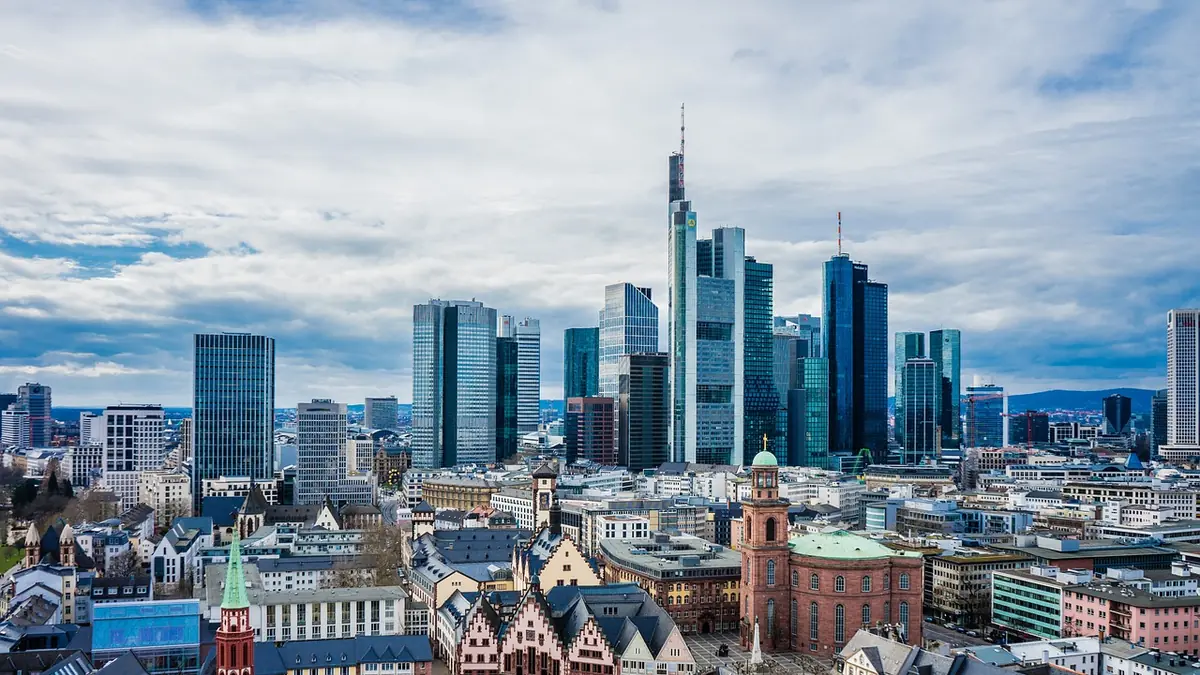
Eurostat's first estimate puts eurozone inflation at 3,8% in September, up from 3,2% in August. Energy rises to 18,8%.
Context
In brief
- Eurozone inflation rises to 3,8% in September.
- It was at 3,2% in August.
- Energy: increase of 18,8% versus 14,3%.
- The ECB's main rate is at 2,5%.
Key facts
- Period → September
- Area → 21 countries sharing the single currency
- Inflation → 3,8%
- Inflation in August → 3,2%
- ECB target → 2%
- Energy → 18,8%
- Energy in August → 14,3%
- ECB main rate → 2,5%
In September, inflation in the euro area reached a new three-year peak. Eurostat's first estimate puts the increase in prices in the 21 countries that share the single currency at 3,8%, compared with 3,2% in August.
The jump came as energy prices accelerated. According to Eurostat, the increase in energy prices reached 18,8% in September, compared with 14,3% in the previous month. The source links the surge in energy prices to the conflict in the Middle East.
Energy and the ECB's response
The overall figure thus rose to almost twice the 2% target set by the ECB. The acceleration weighs on European households and businesses, according to the description provided along with the first estimate.
In recent months, price pressures have pushed the ECB to tighten monetary policy. The institution has already raised its key interest rates twice during the year, bringing the main rate to 2,5%.
The central bank has not formally ruled out further monetary tightening in the coming months. The stated reason is price pressures, while the report attributes September's acceleration to the surge in the energy component.
The RG 12.30 report is dated 2 ottobre 2026 and presents a first estimate for September. The geographical reference remains the euro area, with the 21 countries cited by Eurostat.
For those who live or work in Switzerland, the news therefore offers an indicator for the euro area, but not a measure of national inflation. The source does not report Swiss data, price changes in Switzerland, or decisions by the BNS/SNB.
Operational details
The practical reading for the Swiss public
The move from 3,2% to 3,8% should be read as an acceleration of inflation in the euro area between August and September. The comparison does not say how much prices have changed for a single family or a single company: the text provides an aggregate figure for the 21 countries.
Before and after
| Indicator | August | September |
|---|---|---|
| Euro area inflation | 3,2% | 3,8% |
| Increase in energy prices | 14,3% | 18,8% |
The table separates the overall figure from the factor that the source identifies as the cause of the spike. The 2% remains the target set by the ECB. These are three different reference points: the overall change in prices, energy and the monetary policy threshold.
For a resident in Switzerland, this distinction prevents automatically turning 3,8% into a change in salary, rent or a personal expense. The release does not replace a survey by the UST/BFS, an indication from SECO or a decision by the BNS/SNB. It also does not contain data on the cantons, the minimum wage or individual cost-of-living items.
The same caution applies to rates. The indicated 2,5% is the ECB's main rate, after two increases carried out during the year; the source does not present a Swiss rate and does not describe a reaction by Switzerland. Any comparison must therefore keep the European figure and the personal budget separate.
Anyone who incurs expenses in the single currency can supplement this reading with a comparatore CHF/EUR. For a broader view of the expenses of a family residing in Switzerland, the confronto del costo della vita in Svizzera is also available. The tools help organize the comparison, but do not alter the initial Eurostat estimate.
Useful tools to protect your net income
To reduce FX leakage, compare CHF-EUR exchange options and banks for cross-border workers.
Key points
A four-step method
To use the data correctly without attributing effects to it that the source does not describe, it is advisable to follow a simple procedure.
Four operational steps
1. Note the period: the reading concerns September and is contained in report RG 12.30 of 2 ottobre 2026. 2. Separate the source: this is a preliminary Eurostat estimate referring to the 21 countries sharing the single currency. 3. Compare the two available figures: overall inflation and energy, using August as the previous reference. 4. Keep European monetary policy separate from any personal or Swiss assessment.
After this verification, anyone with a budget in francs can record euro expenses separately. comparatore CHF/EUR is used to read the relationship between the two currencies, while the Eurostat figure remains a measure of the euro area. It is not advisable to apply 3,8% to every item in one’s budget without an expense item linked to the area concerned.
The news also offers a criterion for following updates: check whether the subsequent estimate confirms the acceleration and whether the ECB keeps open the possibility of a new tightening. However, the text does not provide personal deadlines, tax procedures, or guidance on changing contracts and payments in Switzerland.
To turn the comparison into a concrete check of disposable income, enter your items in calcolatore stipendio.
Source: rsi.ch
Frequently Asked Questions
- How high did inflation rise in the eurozone in September?
- According to Eurostat's first estimate, the increase in prices in the 21 countries that share the single currency reached 3.8% in September, compared with 3.2% in August. The figure represents a new three-year high and is almost double the 2% target set by the ECB.
- Which component drove inflation?
- Eurostat points to energy. The increase in energy prices reached 18.8% in September, compared with 14.3% the previous month. The source links the surge to the conflict in the Middle East and notes that the acceleration in inflation is weighing on European households and businesses.
- How did the ECB react to the increase in prices?
- In recent months, the ECB has tightened monetary policy. It raised its key interest rates twice during the year, bringing the main rate to 2.5%. The institution has not formally ruled out another tightening in the coming months, citing price pressures.
- Does the data also measure inflation in Switzerland?
- No. Eurostat's first estimate concerns inflation in the 21 countries using the single currency. The source does not report data on Swiss inflation, prices in Switzerland, or the decisions of the BNS/SNB. For those who live or work in Switzerland, the figure should therefore be considered an indicator for the euro area.