Franco-euro: what the data says (cross-border guide)
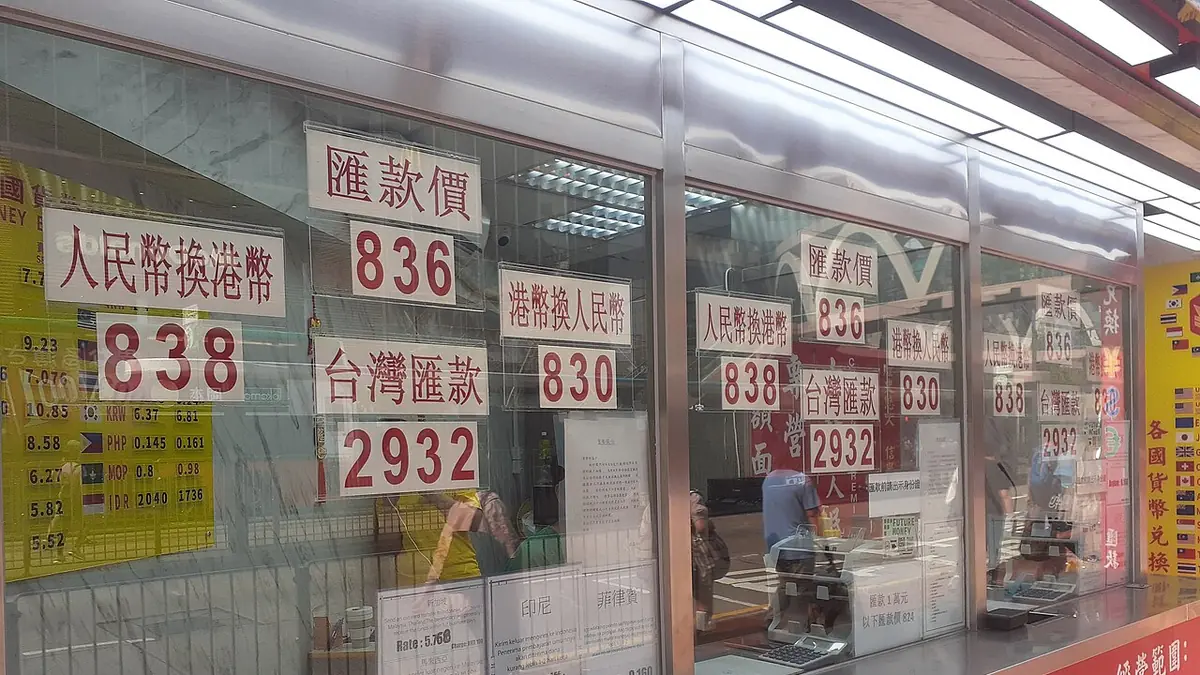
Swiss inflation 0.4%, Eurozone 2.9%: economic divergence between SNB and ECB exchange rate guide. Implications for border workers, businesses, and families.
Context
In brief
- SNB keeps rates near zero, Swiss inflation contained at 0.4%
- Eurozone records inflation at 2.9%, ECB adopts restrictive policy
- Economic divergence influences euro-franc exchange rate in the coming months
Key facts
- What: Monthly analysis of the euro-franc exchange rate through Currency Watch
- When: First part of the year: franc strengthened; subsequently euro recovery
- Where: Switzerland vs Eurozone
- Who: Swiss National Bank (SNB), European Central Bank (ECB)
- Swiss Inflation: 0.4%
- Eurozone Inflation: 2.9%
- Analysis Platform: Forecaster.biz
- Factors: Central banks, seasonality, positioning of large investors
The relationship between the Swiss franc and the euro continues to be a particularly important topic not only for those following financial markets but also for families, cross-border workers, and businesses that daily manage income, expenses, or liquidity in both currencies.
According to Currency Watch, the monthly appointment of CambiaValute.ch dedicated to the analysis of the foreign exchange market, the keys to understanding the exchange rate trend lie in the decisions of central banks and macroeconomic factors. The analyses use data processed through Forecaster.biz, a professional platform for quantitative analysis of financial markets.
The economic divergence between Switzerland and the Eurozone
The economic situation between Switzerland and the Eurozone presents very different scenarios. In Switzerland, inflation remains contained around 0.4%. This dynamic has allowed the Swiss National Bank to keep interest rates at levels close to zero.
…
Operational details
How the exchange rate affects cross-border workers, businesses, and families
The Swiss franc-euro exchange rate is not just a numerical fluctuation: for cross-border workers who receive salaries in EUR, it has a direct impact on their purchasing power in Swiss francs. When the euro weakens against the franc, the actual value of the salary decreases. Conversely, when the euro strengthens, the cross-border worker experiences a real gain in terms of purchasing power.
For Swiss exporting companies, the exchange rate affects international competitiveness. A strong franc makes them less competitive in European markets; a weak franc favors exports.
For Swiss families, the exchange rate influences the cost of products imported from the Eurozone and the budget for travel in Europe. Additionally, the Swiss National Bank's monetary policy with interest rates close to zero affects mortgages, loans, and the returns of Swiss savers. Those with a savings account in CHF see very low returns; those financing a mortgage, however, benefit from reduced rates.
The factors behind exchange rate fluctuations
According to Currency Watch, the main factors influencing the exchange rate in the coming months are three: the decisions of central banks, the seasonality of currency flows, and the positioning of large investors. Going beyond daily fluctuations means observing what happens behind the scenes.
The divergence between the SNB's policy (low rates, controlled inflation) and the ECB's policy (higher rates, sustained inflation) creates incentives for investors to shift capital towards the Eurozone, favoring the euro. Those managing liquidity in both currencies must consider these elements to make informed decisions on the best time to make currency transactions.
…
Key points
How to Follow the Evolution of the Franc-Euro Exchange Rate
For those who want to understand the evolution of the exchange rate and the macroeconomic factors behind the fluctuations, Currency Watch by CambiaValute.ch is a useful tool. It is a monthly analysis that examines the foreign exchange market through macroeconomic, statistical, and quantitative data, helping to read beyond the simple daily fluctuations.
The Forecaster.biz platform, used to generate the data and charts of the analyses, offers a quantitative perspective on financial markets. The available charts and statistical analyses allow you to visualize historical trends and identify recurring patterns in the exchange rate.
For those who want to monitor the exchange rate in real-time, a comparison of exchange rates is available, showing current rates and allowing you to plan currency conversions.
Concrete Strategies for Cross-Border Workers and Businesses
If you are a cross-border worker who receives a salary in EUR and spends in CHF, consider these steps:
1. Monitor the decisions of the SNB: The official statements of the Swiss National Bank on the meetings of the Governing Board provide indications on Swiss monetary policy and future interest rates.
2. Follow inflation data: The Swiss consumer price index published monthly by the Federal Statistical Office (FSO) vs. the European one offers a view of the economic divergence that fuels the exchange rate.
3. Use analysis tools: Platforms like Currency Watch provide processed data to make more informed decisions compared to simple daily quotes.
…
Frequently Asked Questions
- What mainly influences the exchange rate between Swiss franc and euro?
- According to Currency Watch, the main factors are the decisions of central banks (SNB and ECB), the seasonality of capital flows, and the positioning of large investors. Monetary policy divergence is crucial: the SNB keeps rates close to zero with low inflation at 0.4%, while the ECB has adopted a restrictive policy with inflation in the Eurozone at 2.9% supported by energy costs. This economic difference is directly reflected in the exchange rate.
- How does the franc-euro exchange rate impact the income of a border worker?
- Border workers who receive salaries in EUR see the real value of their income vary with exchange rate fluctuations. When the euro weakens against the franc, purchasing power decreases in Swiss francs; when it strengthens, it increases. A useful strategy is to spread the conversions over time instead of converting everything into a single transaction, to reduce the risk of unfavourable exchange rates.
- What was the evolution of the exchange rate in the first half of the year?
- In the early part of the year, the franc had benefited from investors' search for security in response to rising geopolitical tensions, strengthening. Subsequently, the different orientation of central banks (more restrictive ECB, more accommodative SNB) helped to promote a recovery of the euro towards current levels.
- Where to find up-to-date and reliable analysis on the franc-euro exchange rate?
- Currency Watch by CambiaValute.ch is a monthly event dedicated to the analysis of the currency market. It uses data processed by the professional platform Forecaster.biz, which provides quantitative analysis of financial markets. In addition, the Federal Statistical Office (FSO) publishes the Consumer Price Index on a monthly basis, an important indicator for understanding the economic divergence between Switzerland and the Eurozone.
- What macro factors do I need to monitor to make change decisions?
- Monitor SNB statements on interest rate decisions, follow the Swiss and European consumer price index (indicators of economic divergence), and use analysis tools such as Currency Watch. This data helps you understand long-term trends and plan the best time for your currency conversions, whether you're a frontier worker or a business.
Related articles
- All articles: Franc and prices
- Cambio euro franco per frontalieri: strategie e piattaforme
- Frontaliere: strategie pratiche cambio euro-franco svizzero
- Il franco svizzero e la fase di debolezza valutaria
- Franco svizzero ai minimi rispetto all'euro
- Franco svizzero ai minimi rispetto all'euro: cosa significa per l'economia