Ermotti warns: risks for the Swiss economy
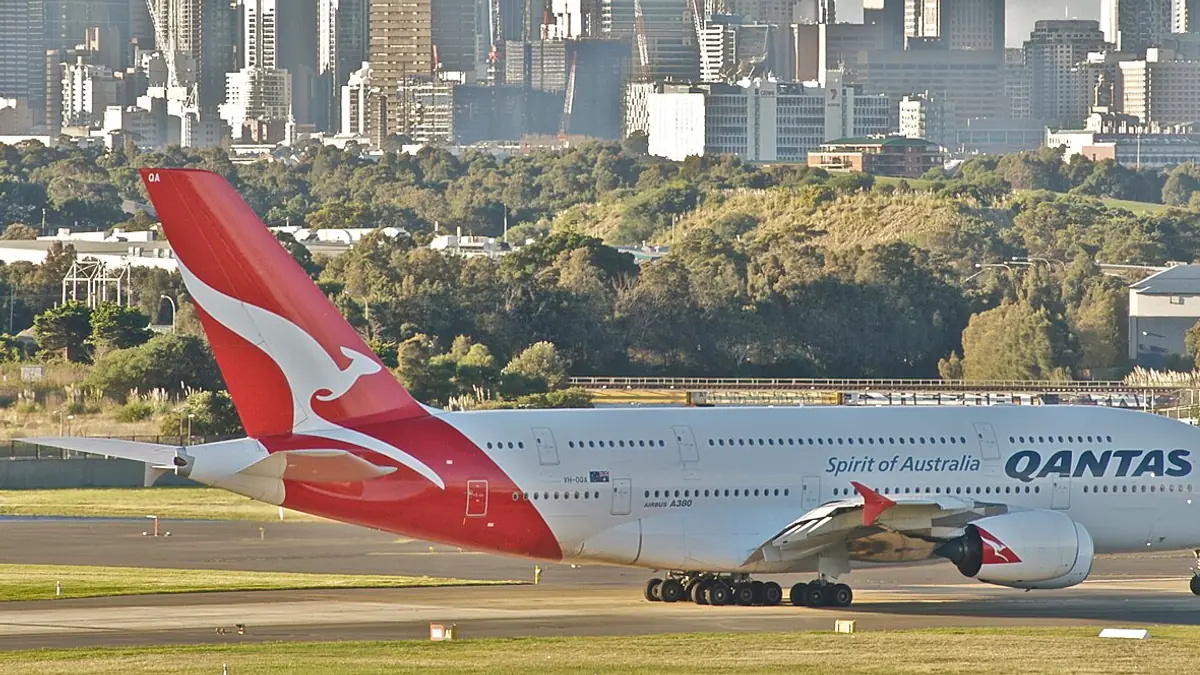
UBS criticizes the CET-S proposal on capital requirements, warning that measures beyond international standards would increase costs for the entire Swiss economy.
Context
In brief
- UBS requires approximately $30 billion of additional Tier 1 capital
- CET-S proposal: 50% CET1 and 50% AT1 for overseas subsidiaries
- Ermotti warns: risks of loss of international competitiveness
Key Facts
- What: CET-S proposal on capital requirements for UBS
- When: September 1, 2026
- Where: Switzerland
- Who: UBS, Federal Council, Committee on Economic Affairs and Taxation (CET-S)
- Main amount: Additional $13 billion
On September 1, 2026, UBS publishes a statement in which it contests the recommendations of the Committee on Economic Affairs and Taxation of the Council of States (CET-S) on capital requirements. According to the group led by Sergio Ermotti, the proposed measures would result in the creation of around $13 billion (about 10 billion francs) of additional Tier 1 capital for the bank's foreign subsidiaries, a significant burden that risks damaging the competitiveness of the Swiss financial center. Ermotti warns that measures that go "significantly beyond international standards risk harming UBS, the Swiss financial center and the economy as a whole."
The CET-S proposal and the current regime
The Committee on Economic Affairs and Taxation of the Council of States suggests that UBS's foreign subsidiaries should have 50% CET1 (Tier 1 core equity capital) and 50% AT1 (Additional Tier 1) bonds. This approach represents a compromise with the stricter position of the Federal Council, which had proposed full coverage with CET1 after the collapse of Credit Suisse. The current regime provides for 45% CET1 and 15% AT1.
The amount required by the CET-S proposal is considerable: UBS is expected to build up around USD 13 billion of additional Tier 1 capital through this combination. In addition, the additional USD 2 billion of CET1 capital required due to the ordinance amendments announced by the Federal Council at the beginning of 2026 will bring the overall requirements to even more significant levels.
The total capital burden for the bank
Overall, UBS will have to build up around $30 billion of additional Tier 1 capital among all the cumulative requirements stemming from the different regulatory measures. Of this, around $15 billion has already been required since the acquisition of Credit Suisse, in accordance with current rules. Meanwhile, at the consolidated group level, the ordinance amendments announced in early 2026 are expected to result in a 4 billion reduction in CET1 capital, a partial balancing of the overall charges.
Operational details
Why UBS opposes the proposed measures
UBS does not deny the importance of financial stability, but argues that the proposed measures go beyond international standards. The bank points out that in a global context where other major financial centers are "simplifying and streamlining" their regulatory frameworks, stricter regulation in Switzerland could put Swiss institutions at a competitive disadvantage.
Ermotti has publicly stated his appreciation "for the commission's efforts to evaluate alternatives to the Federal Council's extreme proposals". However, UBS's position remains firm: the bank supports measures that are "targeted, proportionate and internationally aligned" and that specifically address the root causes of the collapse of Credit Suisse. UBS also specifies that financial stability and competitiveness "can and must go hand in hand".
The economic impact on the Swiss economy
According to UBS, the measures discussed would increase financing costs for the entire Swiss economy. This effect could be passed on to companies, small and medium-sized enterprises (SMEs) and consumers through less favorable credit conditions. An additional $30 billion Tier 1 capital necessarily entails operating and management costs that inevitably affect the bank's margins and the services provided to clients.
In addition, significantly stricter Swiss regulation than international regulation could pose a risk factor for the global competitiveness of the financial center. Banking activities could potentially shift to other international financial centers where regulatory requirements are less stringent. UBS points out that such measures risk harming not only the bank itself, but the Swiss financial center and the economy as a whole.
The debate will continue in the coming months
Ermotti and Chairman of the Board of Directors Colm Kelleher have already communicated UBS's position to the bank's employees. The public debate is expected to remain intense in the coming months, according to official communications. UBS management has promised to "contribute constructively to the debate" on the next steps of the regulation, seeking a balance between financial stability and the international competitiveness of Switzerland as a location.
Recommended tools
For an updated estimate, use the net salary calculator and the CHF-EUR exchange comparator.
Key points
What it means for those who invest and work in the financial sector
Decisions on the structure of UBS's capital requirements will have long-term implications for the stability and competitiveness of the Swiss financial system. If you invest, bank or manage portfolios in Switzerland, it is important to understand the regulatory environment in which the country's financial institutions operate.
UBS remains one of Switzerland's economic pillars, with a significant global presence and a crucial role in financing the national economy. The bank employs tens of thousands of people in Switzerland and abroad, providing banking services to millions of clients. Overly heavy regulation could reduce the bank's ability to provide competitive services to Swiss clients and businesses, with potential effects on interest rates on loans, bank fees and the availability of credit in the market.
The next developments in the regulatory path
The debate between the Federal Council, parliament (through committees such as the CET-S), UBS and other stakeholders will continue in the coming months until the final decision. The final decision on the structure of the capital requirements will have significant impacts on the competitiveness of the Swiss financial centre, the financing costs of the entire economy and Zurich's international position as a global financial centre.
Monitoring regulatory decisions on finance and understanding the macroeconomic impact is essential for those who live and work in Switzerland. To stay up to date on economic, tax and financial topics, you can consult our calcolatore imposte. To learn more about the Swiss banking system and its dynamics, visit le informazioni sui conti e istituti bancari. If you want to understand how general economic conditions affect the country, access our strumenti di analisi del costo della vita.
Source: tio.ch
Frequently Asked Questions
- How much additional capital should UBS constitute according to the CET-S proposal?
- According to the proposal of the Economic and Taxation Commission, UBS will have to constitute approximately 13 billion dollars (equal to approximately 10 billion francs) of additional Tier 1 capital, combining 50% of CET1 (core equity capital) and 50% of AT1 (Additional Tier 1) bonds. To these are added the additional 2 billion CET1 required by the ordinance changes. Overall, UBS will need to raise approximately $30 billion of Tier 1 capital.
- What is the difference between the TEC-S proposal and that of the Federal Council?
- The Federal Council had proposed, after the collapse of Credit Suisse, full coverage of the capital requirements with CET1. The CET-S instead suggests a more balanced approach, proposing 50% CET1 and 50% AT1 bonds. The current regime provides for 45% of CET1 and 15% of AT1.
- Why is UBS opposed to the proposed measures on the capital?
- UBS argues that the proposed measures are excessive by international standards and would increase financing costs for the entire Swiss economy. The bank fears that tighter Swiss regulation than international regulation could disadvantage Swiss institutions, reduce the competitiveness of the Swiss financial market and potentially push assets to other global financial centres.
- What are the potential effects for those who save or invest in Switzerland?
- If regulatory compliance costs for UBS increase significantly, these costs could be passed on to customers through higher bank fees, less favourable loan interest rates, or less favourable overall credit terms for Swiss businesses and consumers.