Zug kindergarten: cantonal costs, fees and subsidies (cross-border guide)
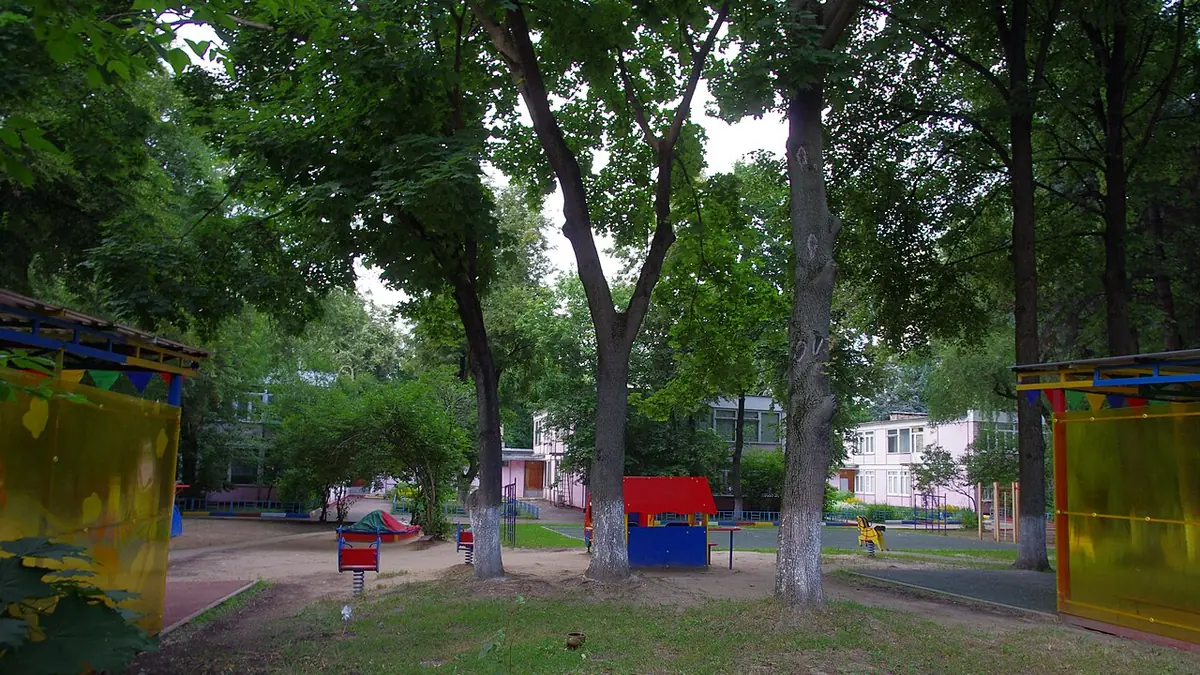
In the canton of Zug, nurseries and childcare facilities follow progressive rates on an income basis. Learn about available options, cantonal subsidies, and access procedures.
Context
In brief
- In the canton of Zug, childcare follows a model with income-based fees
- Available options: public/private daycare centers, family daycare, and after-school care
- Cantonal subsidies reduce costs for low-income families
- Subsidy applications require tax and income documentation
Key facts
- What: Childcare system with progressive fees based on taxable income
- Where: Canton of Zug and similar models in other Swiss cantons
- Who: Families with preschool and school-age children
- Options: Daycare centers, family daycare, after-school care
- Calculation basis: Family taxable income and number of weekly attendance days
In the canton of Zug, childcare follows a model that combines various educational options and manages costs through progressive fees based on family income. This system allows families to access diverse services—daycare centers, family daycare, and after-school care—paying a contribution related to their economic capacity, with cantonal subsidies covering part of the expense for families with limited resources.
Daycare centers represent the primary solution for children under three years old. These services, offered by both public facilities and accredited private providers, provide an educational and supportive environment during parents' working hours. Family daycare—managed by specialized educators who welcome small groups of children—constitutes a flexible alternative, often preferred for personalized attention and more adaptable schedules. After-school care, finally, meets the needs of school-age children for supervision after lessons, from the afternoon until parents return from work.
…
Operational details
How to Access Cantonal Subsidies
The canton of Zug provides specific subsidies for families who need childcare but have limited financial resources. These public funds reduce the monthly financial burden, allowing for greater participation in the job market—an aspect particularly relevant for single parents or couples where both partners work. Accessing subsidies is not automatic: families must submit a formal application to the competent cantonal office, attaching documents that prove their income.
The procedure requires the submission of the joint tax return (last 12 months), an updated income certificate, and a copy of the registration with the childcare facility. The calculation of subsidies is based on the taxable income, the number of children in simultaneous care, and the number of weekly days of attendance required. Families with intermediate income receive a partial subsidy that covers part of the fee; families with very low income can access more generous coverage that covers most of the costs, effectively facilitating access to the service regardless of the initial economic situation.
…
Key points
Step 1: Requesting enrollment in a childcare facility
The first action is to contact directly the kindergartens, daycare families, or after-school service of interest in your area. Many cantonal offices maintain updated lists of accredited facilities, as well as information on the availability of places. Enrollments usually occur a few months in advance of the expected entry; the summer period is frequently critical, as the available places for the following school year fill up quickly, sometimes already by May. During enrollment, it is required to document: the child's and parents' personal data, the desired attendance schedule (number of weekly days and daily hours), any special needs (allergies, language preferences, special activities), and finally the income statement necessary for calculating the fee and access to cantonal subsidies.
Step 2: Submitting the subsidy application
Parallel to enrollment in the facility, the family must submit a subsidy application to the cantonal management office (usually called the Office of Early Childhood Care or similar). This application must include: the fully completed official form (available at the office or online), the joint tax declaration of the last 12 months, an updated income certificate (if available), and a copy of the enrollment or admission confirmation to the childcare facility. The office examines the application within a set deadline (usually 30-45 days), calculates the subsidy by applying the income brackets set for the year, and notifies the monthly amount through an official letter. The subsidy usually becomes effective from January of the following year, or retroactively if the application is submitted during the already started year of care.
…
Frequently Asked Questions
- What documents are needed to apply for custody allowance in the canton of Zug?
- The joint tax return of the last 12 months, an updated income certificate (if available), a copy of the registration at the custodial facility, and the completed official form downloadable from the competent cantonal office are required. The procedure varies slightly depending on the canton: contact the office directly for a complete and up-to-date list of required documents and annual submission deadlines.
- How are income-based custody fees calculated?
- The rates follow a progressive rate: the taxable income of the family is considered together with the number of children in custody, multiplied by a percentage that varies according to income bands defined by the canton and revised annually. Lower-income families pay lower percentages; higher-income families contribute higher percentages. The final cost also varies according to the number of days per week of attendance, the hours per day, and the type of facility.
- What is the difference between a public and a private kindergarten accredited in terms of subsidies?
- Accredited public and private kindergartens generally have access to the same cantonal subsidies, although the basic rates differ: public kindergartens are run by the canton or municipality and offer lower basic rates; accredited private kindergartens have higher basic rates. The final rate for the family - after deduction of the subsidy - may be comparable. Non-accredited private kindergartens do not qualify for cantonal subsidies and entail significantly higher costs.
- If I change my income during the year, how does my custody allowance change?
- The subsidy is calculated on the tax return of the previous year (or of the current year, if already available) and remains fixed for the reference year. If your income increases or decreases significantly (job loss, promotion, change of marital status), you can request a revaluation by submitting the updated documentation to the competent office. The revaluation will take effect from the months following the request, not retroactively until the beginning of the year.
- Is after-school covered by cantonal subsidies?
- Yes, many Swiss cantons-including Zug-also extend subsidies to after-school services for school-age children (typically ages 6-7), although with sometimes different modalities and rates than kindergartens. The coverage and maximum amount of the subsidy depend on the specific cantonal rules and are reviewed annually. Verify the precise conditions at the competent cantonal office.