Voting in 16 Cantons: Taxes, Minimum Wage and Shops (cross-border guide)
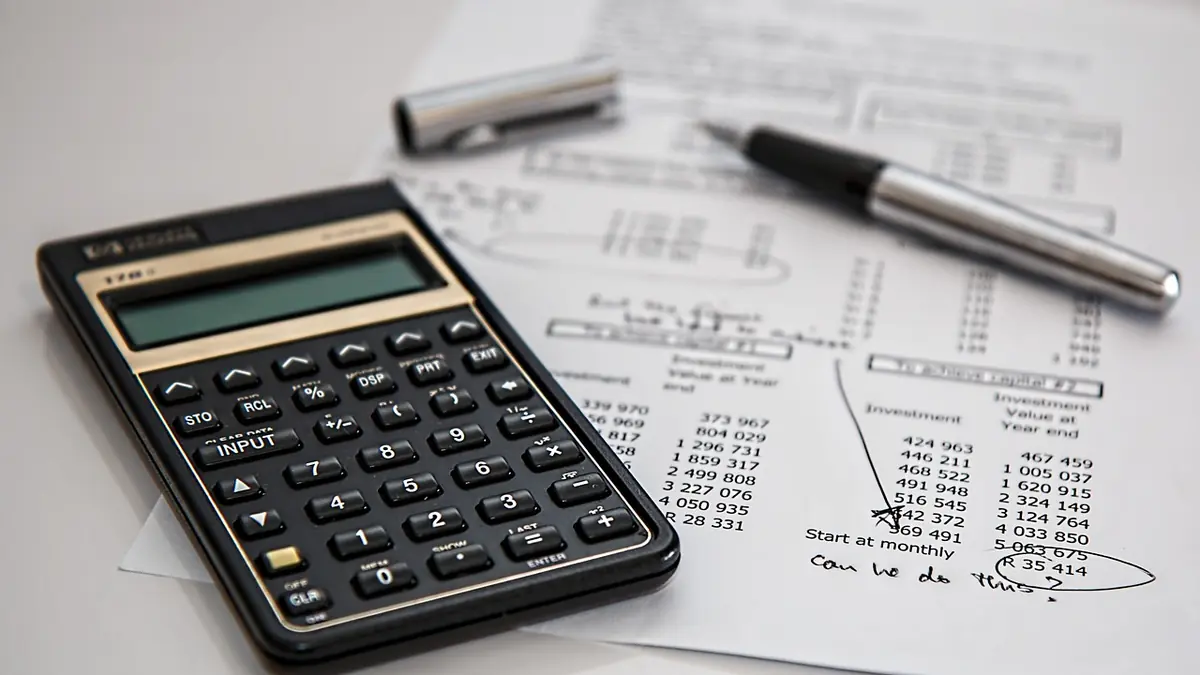
On June 14, Swiss citizens will decide on minimum wage, taxation, heating and Sunday openings in 16 Cantons.
Context
In Brief
Operational details
Tax Reforms and Labour Market in Basel and Geneva
In Basel-Landschaft, alongside the by-election to replace resigning State Councillor Isaac Reber (Greens) – contested between Matthias Liechti (SVP) and Philipp Schoch (Greens) – voters will decide on the 'Together in Europe' initiative. The text calls for the canton to actively pursue stable relations between Switzerland and the European Union. The Grand Council recommends a 'yes' vote to ensure stability without additional costs, while the State Council opposes it, arguing foreign policy is a federal matter. Additionally, votes will be held on revoking the energy decree banning non-renewable heating systems and a 78 million franc credit for the Birsfelden road project.
In Basel-Stadt, attention focuses on introducing tax at source. Under the Grand Council-approved proposal, companies with over 50 employees must withhold 10% of income directly from salaries in Basel, and 5% in the municipalities of Riehen and Bettingen. Smaller businesses may opt in voluntarily. The left argues this reduces taxpayers' debt risks, while centre-right parties and business associations warn of increased bureaucracy. Basel will also vote on an initiative to reduce pigeon populations and a 3.6 million franc credit for an underground railway link between Basel SBB station and Badischer Bahnhof.
…
Key points
Judicial infrastructure and social rights in Lucerne and Neuchâtel
In the Canton of Lucerne, the vote focuses on public judicial infrastructure. Citizens will have to approve or reject a credit of 18.5 million francs for the purchase of a property near the Museum of Transport, which is set to become the new headquarters of the Cantonal Court, currently located in spaces that are too cramped in the city center. If the proposal is approved, the building will require further adaptation and expansion work estimated at around 27 million francs, with the goal of completing the relocation by 2030. In the Canton of Neuchâtel, on the other hand, voters will decide on the inclusion of a specific article dedicated to the rights of the elderly in the cantonal Constitution.
All these cantonal decisions have a direct impact on the cost of living and working conditions of those who reside and work in Switzerland. For example, decisions on the minimum wage or tax collection methods, such as the withholding tax in Basel, directly alter the purchasing power and financial management of workers. Cantonal and withholding taxes go hand in hand with the direct federal tax, determining the taxpayer's overall tax burden.
For residents in the affected Cantons, voting takes place through the usual postal voting methods or directly at municipal polling stations on Sunday, June 14. It is essential to find out in good time about the deadlines for sending the voting envelope to avoid the invalidation of the ballot. To assess the real impact of these reforms on your household budget, particularly regarding tax deductions and financial planning, you can use the salary calculator to simulate changes to your net income, thereby also facilitating the subsequent completion of your tax return.
…
Frequently Asked Questions
- What are the main economic issues up for vote on June 14?
- The main economic issues include the introduction of a minimum wage in the Canton of Vaud, the reform of withholding tax for businesses with over 50 employees in the City of Basel, and the opening of shops on Sundays up to twice a year without a collective bargaining agreement in the Canton of Geneva.
- How does the proposal for withholding tax in Basel City work?
- The proposal requires businesses with more than 50 employees to withhold 10% of income in Basel, while in Riehen and Bettingen the withheld amount will be 5%. Businesses with fewer employees can join voluntarily to reduce the risk of debt for taxpayers.
- What multi-million franc credits for infrastructure are up for voter approval?
- Voters will decide on several significant credits: 380 million francs in Aargau for a Suhr bypass, 15 million francs in Bern for the Kunstmuseum planning, 78 million francs in Basel-Landschaft for the Birsfelden road, and 18.5 million francs in Lucerne for the new cantonal court building.
Related articles
- All articles: Salaries
- Vaud approva salario minimo costituzionale ma rifiuta legge operativa
- Votazioni federali 27 settembre 2026: i temi principali
- Come Calcolare il Salario Netto per Frontaliere in Svizze
- Parlamento svizzero in stallo su AVS e accordi UE
- Salario minimo Ticino a rischio: cosa devi sapere