Buying a house in Zurich: mortgage and taxes
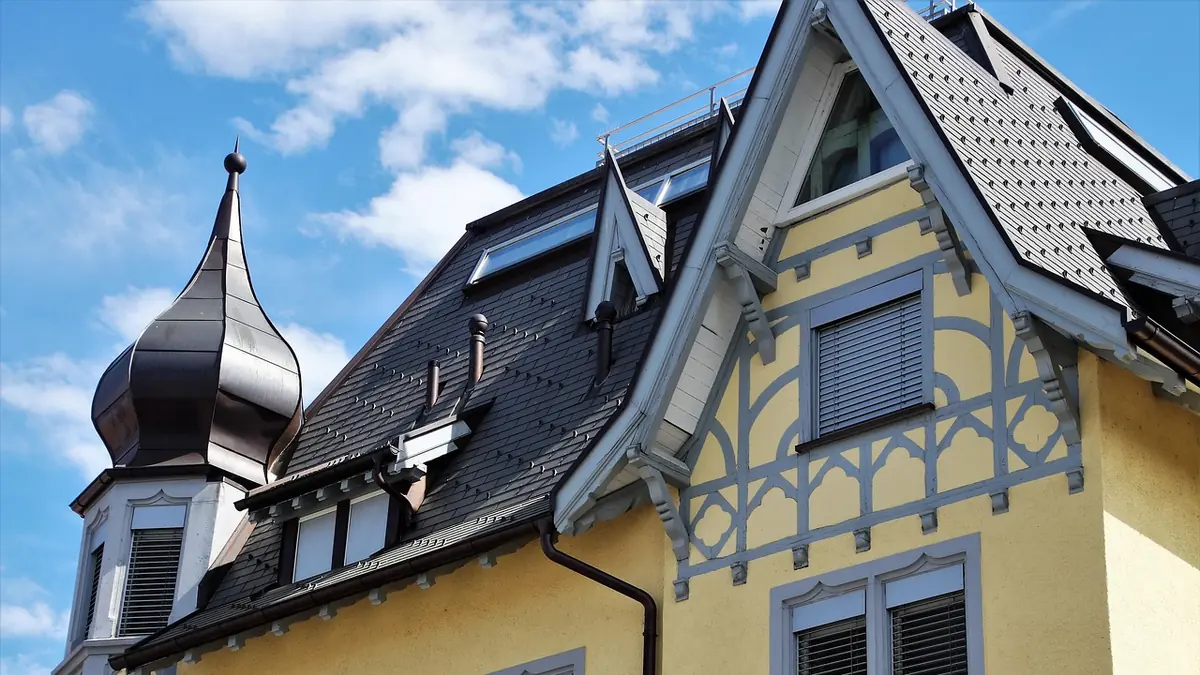
Real estate purchase in Zurich: mortgage, own funds, transfer taxes and notary fees. Procedure and costs for the purchase and sale in the Canton of Zurich.
Context
In a nutshell
- Buying a house in the Canton of Zurich requires own funds and a mortgage
- Transfer taxes and notary fees increase the total costs of the purchase
- The sustainability of the mortgage depends on the personal debt-to-income ratio
- Each canton applies its own rules and tax rates on real estate
Key facts
- What: Purchase of a house in the Swiss canton with financing through a mortgage
- Where: Canton Zurich (one of Switzerland's main economic hubs)
- Who: Private buyers, families, real estate investors residing in Switzerland
- Requirements: Minimum own funds + credit documentation + bank qualification
- Additional costs: Property transfer taxes + notary fees + registration fees
- Legislation: Swiss civil law on property, variable by canton
- Duration of procedure: Typically 4-8 weeks from signature to notarial deed
The cost structure in real estate purchase
When deciding to buy a house or apartment in the Canton of Zurich, the announced purchase price represents only the main component of the investment. The buyer must plan three additional categories of expenditure: the own funds required for the financing, the cantonal-communal taxes on real estate transfers, and the mandatory notarial fees.
The Swiss real estate financing system is based on a principle of responsibility: banks do not finance the entire purchase price. A
Operational details
Assess the sustainability of the mortgage loan
The decision to buy a property in the Canton of Zurich is not just a matter of immediate availability of own funds. It is essential to assess whether the mortgage loan is sustainable over time, considering your net income, existing household expenses, and current interest rates on the market.
Swiss banks assess the sustainability of the mortgage using a standardized methodology based on the ratio of the total debt (including the new mortgage) to the documented net income of the buyer. A borrower who has a stable and documented income, and who works under a permanent contract, will have a better chance of obtaining a mortgage with favorable terms and higher amounts. Those with variable incomes, seasonal incomes, or incomes with fixed-term contracts, or those who are self-employed, may encounter more stringent bank valuations.
The monthly installment of the loan depends on three factors: the amount financed by the bank, the overall duration of the loan (amortization period, typically 15-20 years for Swiss residential mortgages), and the interest rate in force at the time of underwriting. The interest rate can be fixed (it remains the same throughout the duration of the contract) or variable (it is periodically adjusted to the market conditions established by the Swiss National Bank - SNB/SNB). Choosing between a fixed rate and a variable rate is a strategic decision that
Recommended tools
For an updated estimate, use the net salary calculator and the CHF-EUR exchange comparator.
Key points
Purchase Procedure in the Canton of Zurich: The Concrete Steps
The purchase of a property in the Canton of Zurich follows a standardized procedure under Swiss civil law, although the administrative details may vary slightly from one municipality to another and depend on the practices of the land registry office.
Step 1: Pre-qualification and Budget Definition. Before starting the active search for a property, it is useful to meet a bank or a credit institution specializing in mortgage loans to receive a pre-qualification letter. This document indicates the maximum amount of mortgage for which the buyer qualifies, based on the analysis of income, existing assets, and any existing debts. This preliminary step helps to define a realistic budget for purchase and to guide the search for the property.
Step 2: Property Search and Price Negotiation. Once the desired property in the Canton of Zurich has been identified, the buyer and the seller negotiate the purchase price and the terms of the sale (delivery date, payment conditions, exclusions). It is recommended to involve a lawyer specializing in real estate law or a professional real estate agent in this phase, to verify that the price is fair compared to the local market and that there are no legal problems related to the property.
Step 3: Appointment and Instructions to the Notary. The buyer appoints a public notary (or the notary is indicated by the selling party, with reciprocal agreement) to draw up the deed of transfer of ownership. The notary verifies at the land registry office of the Canton of Zurich that the property is free from encumbrances, residual mortgages, and restrictions, and prepares the complete legal documentation for transfer.
Step 4: Property Valuation and Bank Approval. The bank orders an independent technical appraisal of the property to verify that the value corresponds to the agreed price. If the appraised value is lower than the purchase price, the bank may reduce the amount of the mortgage offered, requiring additional funds from the buyer.
Step 5: Notarization of the Deed. The buyer and seller appear before the notary to sign the deed of transfer of ownership. At this time, the buyer pays the agreed funds, and the notary coordinates the payment of the mortgage from the bank to the seller. The cantonal tax office communicates the amount of the transfer tax, calculated according to the rules of the Canton of Zurich.
Step 6: Registration at the Cantonal Land Registry. After signing the deed, the notary instructs the land registry office of the Canton of Zurich to register the transfer of ownership and the new owner. This administrative process typically takes 2-4 weeks. Upon completion of the registration, the buyer is officially recognized as the owner in the public register.
Required documents for the procedure: valid identity card, marriage certificate or civil status (if applicable), documentation proving income (last 2-3 tax returns), recent bank statements, letters of reference from previous landlords or creditors (if requested), and documentation of any existing debt.
Indicative deadlines: The complete procedure, from the notarization of the deed to the registration in the land registry, typically takes 4-8 weeks. This duration may vary depending on the workload of the land registry office and the complexity of the property.
Practical Tools for Purchase Decision
To support your concrete decision to purchase a property, use the mortgage and sustainability calculator to estimate the monthly payment, the total amount of interest to be paid, the personal debt-to-income ratio, and the cost of the property over time. Additionally, consult the resource on cost of living in Switzerland to evaluate whether your overall financial situation is sustainable in the Canton of Zurich and the municipalities you are considering.
Frequently Asked Questions
- What is the minimum percentage of own funds required for a real estate mortgage in Switzerland?
- Swiss banks vary the own funds requirements based on the buyer's risk profile. There is no uniform federal requirement, but the general principle is that the more equity the buyer owns, the greater the likelihood of obtaining favorable terms and a high mortgage amount. Credit institutions typically require verification of the source of funds through account statements and tax returns.
- How is property transfer tax calculated in the Canton of Zurich?
- The property transfer tax is calculated on the difference between the purchase price and the cadastral value or the previous price, according to the regulations of the Canton of Zurich. Each Swiss canton has its own rates and criteria: the Canton of Zurich applies its own rules, different from other cantons. The cantonal tax office communicates the final amount to the notary, who includes it in the transfer documentation.
- What are the other costs besides the purchase price and the mortgage?
- In addition to the purchase price and mortgage interest, there are: real estate transfer taxes, notary fees for the drafting of the deed, registration fees with the land registry, technical appraisal of the property ordered by the bank, property insurance, and annual municipal property taxes. These costs must be planned in the total amount of the real estate investment.
- What is the difference between a fixed rate mortgage and a variable rate mortgage?
- A fixed-rate mortgage maintains the same interest rate throughout the duration of the contract (typically 15-20 years), ensuring certainty about the monthly installments. A floating rate loan periodically adjusts to the market conditions of the Swiss National Bank (SNB), offering initially lower rates but with a risk of future increase. The choice depends on personal expectations in the rate market.
- How long does it take to complete the purchase of a property in the Canton of Zurich?
- The full procedure typically takes 4-8 weeks from the time of signing the notarial deed. This timeframe includes the verification of the land register, the drafting of documentation, and the official recording of the transfer of ownership at the cantonal land register office. The duration may vary depending on the administrative burden of the office.