Buying a house in Appenzello Interno: mortgages and taxes (cross-border guide)
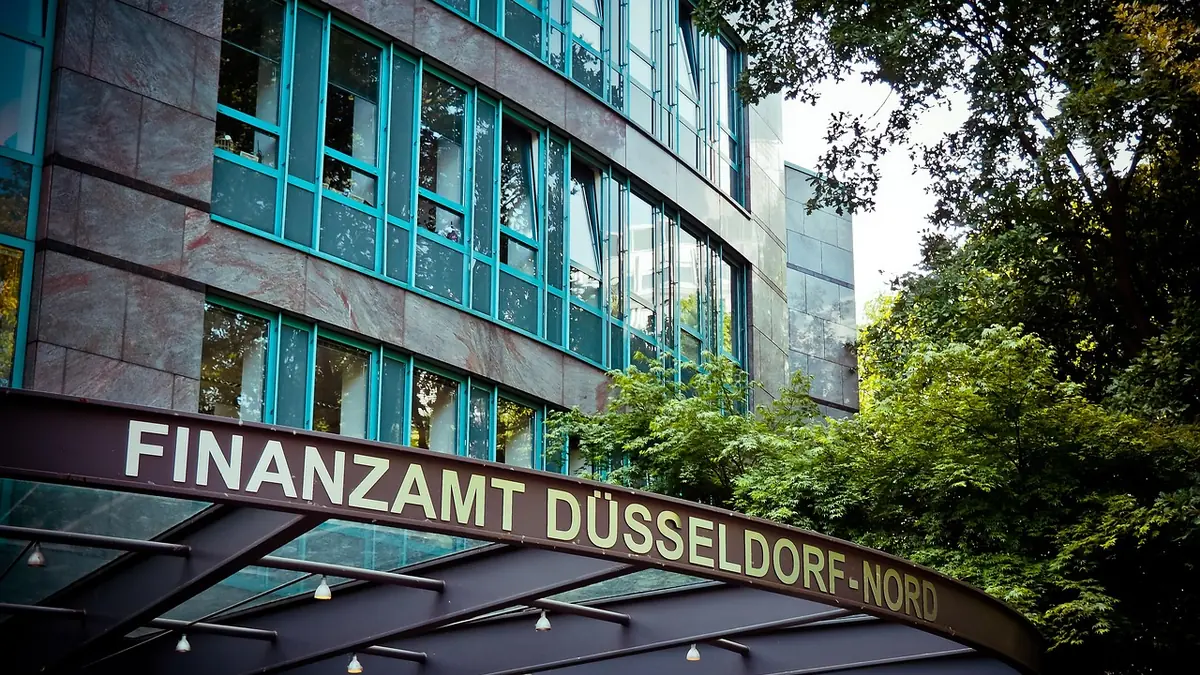
Operational guide for the purchase of real estate in Appenzello Interno. Learn about transfer taxes, notary fees, mortgage sustainability, and registration procedures.
Context
In a nutshell
- Buying a house in Switzerland involves three levels of taxation: federal, cantonal, municipal
- Transfer taxes and notary fees vary by canton and represent significant costs
- Mortgage sustainability is calculated on net income after federal and cantonal taxes
Key facts
- What: Acquisition of property in Appenzello Interno
- Tax levels: Federal, cantonal, municipal (three separate authorities)
- Passage taxes: Established by cantonal law and municipal regulations
- Sustainability: Evaluated by the bank according to federal criteria
- Registration: In the cantonal Grundbuch (land register)
The Swiss property purchase tax system
Buying a house in Appenzello Interno means interacting with a tax system divided into three distinct levels: federal, cantonal and municipal. Each level has its own competences and specific financial impacts on the purchase and sale operation.
At the federal level, direct taxation follows rates set by Parliament. However, taxation on transfer of ownership — commonly referred to as transfer tax — is not a federal matter. It is a purely cantonal and municipal competence: each Swiss canton applies different laws, different multipliers, and variable exemption thresholds. Appenzello Interno has its own regulations, distinct from those of Zurich, Bern, Geneva or other cantons.
In the same canton, notary fees follow rates
Operational details
Transfer taxes and notary fees
The transfer tax is applied at the time of the transfer of ownership of a property from one person to another. Each Swiss canton has its own law on the taxation of trespasses: Appenzello Interno is no exception. There is no single federal rate; the tax is purely cantonal and municipal, calculated according to local regulations.
Some cantons provide for the tax to be paid by the seller, others by the buyer, still others in a breakdown. This responsibility varies by canton and is decisive in the calculation of the net cost of the purchase.
Notary fees, on the other hand, are public fees that cover the certification of the deed of sale, the authentication of signatures, and the official transmission of documents to the cantonal real estate registers. Notary fees are established by cantonal (not federal) law in official tables. They are not true taxes, but fees for authorized public services.
When bidding on a property, both of these costs — transfer tax plus notary fees — must be calculated in advance. Their total amount can represent a significant percentage of the purchase price and directly reduces the capital available for the payment of the first installment of the mortgage.
Administrative procedures and cantonal registration
In Switzerland, the transfer of ownership of a property requires three sequential steps well
Useful tools to protect your net income
To reduce FX leakage, compare CHF-EUR exchange options and banks for cross-border workers.
Key points
Checklist operativa e prossimi passi
Acquiring a house in Inner Appenzell requires a structured and methodical process:
Phase 1: Preliminary Financial Assessment Consult a Swiss bank to assess the maximum mortgage capacity. Provide net income (last 2 years), current account statements, tax returns, and a list of existing debts (credit cards, personal loans, leasing). The bank will approach sustainability considering federal and cantonal taxes that reduce available income.
Phase 2: Property Search and Valuation Once the maximum mortgage is approved, proceed with property research. When finding an interesting property, have it appraised by the local market. Consult the cantonal land registry office in Appenzell to verify that the property is free from mortgages, seizures, or third-party rights.
Phase 3: Offer and Negotiation Present an offer to the seller. Negotiate the price, taking into account additional costs: transfer tax (variable for Appenzell), notarial fees, registration fees, property insurance, and potential renovation costs.
Phase 4: Notary Appointment and Definitive Contract Signing Once an agreement is reached, consult a public notary authorized in the canton of Appenzell. The notary will prepare the definitive contract, authenticate signatures, and transmit documents to the cantonal administration for registration in the land register.
Phase 5: Mortgage Approval and Registration In parallel, the bank will complete the property valuation and final mortgage approval. Once registered in the cantonal land register, the mortgage is entered as a guarantee for the bank.
…
Frequently Asked Questions
- What is the difference between pass-through tax and notary fees?
- The transfer tax is a cantonal and municipal tax levy on the transfer of ownership of the property. Notary fees are public fees for the certification of the deed of sale. They are two separate costs, BOTH mandatory. The tax varies by canton and municipality; notary fees are set by official cantonal tables. They must be calculated in advance.
- How does a bank calculate the sustainability of a mortgage?
- The bank reviews the annual gross income, subtracts the estimated federal and cantonal taxes, and checks whether the remainder can cover the monthly mortgage installments. It also applies a safety margin (hypothetically higher interest rate). If the net income is insufficient, the bank requires more own funds or refuses the mortgage.
- Can I buy a house in Appenzello Interno if I am a foreigner?
- Switzerland allows the purchase of real estate by foreigners, but each canton can apply its own restrictions according to the Lex Koller (federal decree). Appenzello Interno follows federal regulations and may have specific limitations for foreigners. It is advisable to consult the cantonal notary to check any restrictions related to your status.
- How long does a property purchase take from contract to registration?
- Typically 2-4 months from the agreement with the seller to registration in the Grundbuch. The timing depends on the speed of the credit institution in approving the mortgage, the availability of the notary, and the queue of the cantonal registry office of Appenzello Interno.
- Does the imputed income from the property increase my federal taxes?
- Yes. The imputed rent (income calculated on real estate property) is included in federal and cantonal taxable income each year. Even if you do not collect rent, the value of the property generates a fictitious income that increases your federal and cantonal tax burden.