Buying a house in San Gallo: mortgage and taxes (cross-border guide)
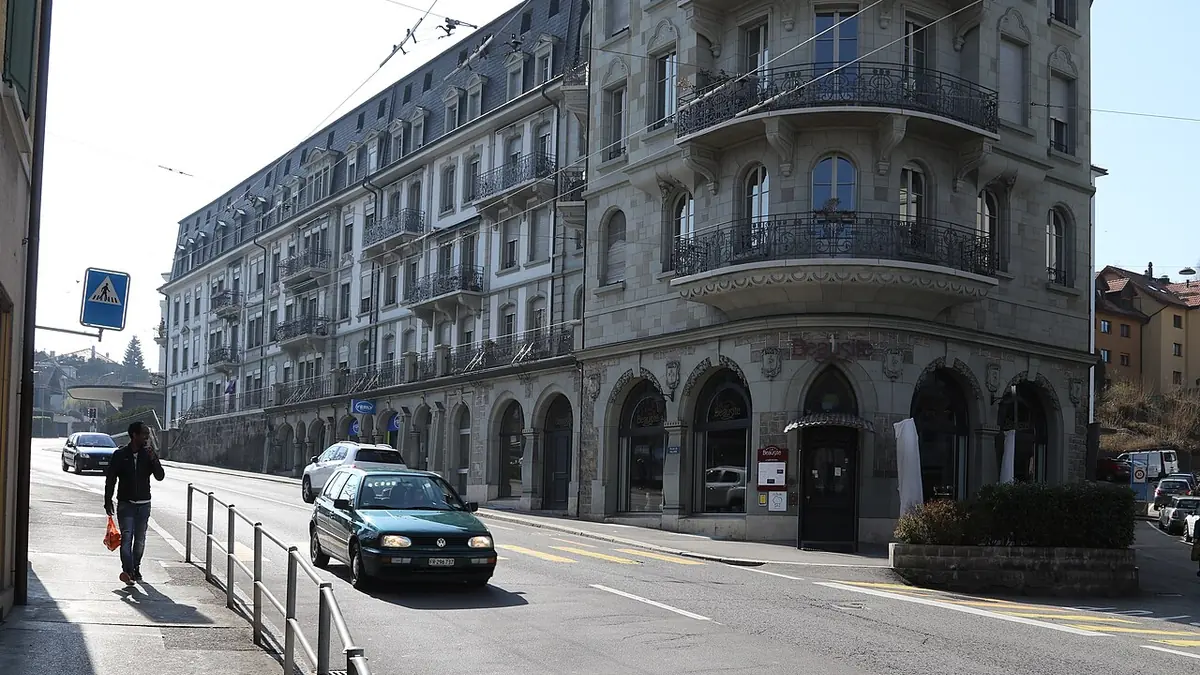
Guide to buying real estate in Switzerland: mortgage, own funds, transfer tax and step-by-step procedures for buyers in the Canton of St. Gallen.
Context
In brief
- Real estate purchase is one of the main investments in the life of a Swiss resident
- Mortgage requires own funds of at least 20% of the purchase price
- Transfer tax, notary fees, and tax deductibility of interest affect the total budget
Key facts
- What: Purchase of real estate property in Switzerland
- Where: Canton of St. Gallen (and Swiss national market)
- Who: Swiss residents, borrowers with verifiable income
- Minimum own funds: At least 20% of the purchase price (bank standard)
- Deductibility: Mortgage interest is tax-deductible at the federal and cantonal levels
The Swiss real estate market follows economic dynamics that vary from canton to canton. When planning to buy a home, the first step is to understand the structural factors that influence prices: location, size of the building, condition of the property, proximity to public services, and access to transportation infrastructure.
At the national level, the Swiss housing market is regulated by federal laws on land ownership. However, each canton has its own jurisdiction over real estate taxation, including transfer taxes (stamp duties), which vary significantly depending on the jurisdiction. In the Canton of St. Gallen, as in every canton, the price of a property depends on general economic factors — bank interest rates, credit availability, market demand — and local factors such as demographic growth and economic development. Mortgage interest rates are set by banks and follow the trend of the Swiss National Bank (SNB), which guides the country's monetary policy.
…
Operational details
The mortgage is the main financing tool for buying real estate in Switzerland. Banks typically require own funds equal to at least 20% of the purchase price. This percentage is a well-established standard throughout Switzerland, although some institutions may offer slightly different conditions with higher interest rates. Mortgages are offered by banks in two main forms: fixed rate (the rate remains unchanged for the entire duration, usually 5, 10, or 15 years, providing certainty on monthly installments) and variable rate (the rate changes according to market interest rates, which involves the risk of increased installments but potential savings if rates fall).
Recommended tools
For an updated estimate, use the net salary calculator and the CHF-EUR exchange comparator.
Key points
The purchase of a property in Switzerland follows a standardized procedure, although with details that vary slightly from canton to canton.
Evaluating a Ticino job offer? Simulate your net payslip: enter gross salary, marital status and municipality for a detailed breakdown.
Frequently Asked Questions
- What is the minimum own funds required to buy a house in Switzerland?
- Banks typically require own funds of at least 20% of the purchase price. For example, for a property of CHF 500,000, you need to have at least CHF 100,000. Some institutions accept slightly lower percentages (15-18%), but this results in higher interest rates and additional mortgage insurance costs. It is possible to increase own funds by withdrawing part of the occupational pension (LPP) intended for the purchase of a first home, an operation allowed in Switzerland.
- How does the sustainability of the mortgage assessed by the bank work?
- The bank checks if the customer is able to pay the monthly installments. Use the 'stress test': simulate a scenario where interest rates rise by 1-2 percentage points and assess whether the customer could continue to pay. The general rule is that the monthly installment must not exceed 30-35% of the monthly net income. In addition, the mortgage must be extinguished within the retirement age (generally 67 years). The bank analyzes the income of the last three years through tax returns and verifie
- What are the additional costs in addition to the purchase price?
- In addition to the price of the property, it is necessary to account for: transfer tax (1-3% of the value, varies by canton), notary and land registration fees (0.5-1.5% of the price), real estate liability insurance (annual cost), municipal property taxes (varies by canton). It is prudent to add a 5-10% buffer to the total budget for unforeseen costs and initial maintenance.
- Are the mortgage interest tax deductible?
- Yes, in Switzerland the interest paid on the mortgage loan is tax deductible. When filing the tax return with the cantonal tax authority, you can subtract the interest from the taxable income. This deduction significantly reduces the amount of taxes due over the decades of the mortgage. The deduction is valid at both the federal and cantonal levels, although reporting procedures vary slightly.
- How long does the entire purchase process take?
- From the submission of the offer to the final transfer of ownership, it usually takes 6-12 weeks. This period includes: negotiation of the offer (1-2 weeks), application for mortgage and bank approval (2-4 weeks), technical expertise (1-2 weeks), preparation of the notarial deed (1-2 weeks), signature at the notary and registration in the Land Registry (2-4 weeks). Times vary depending on the complexity and processing speed of the bank.