Canton taxes Basel Countryside: rates and deductions
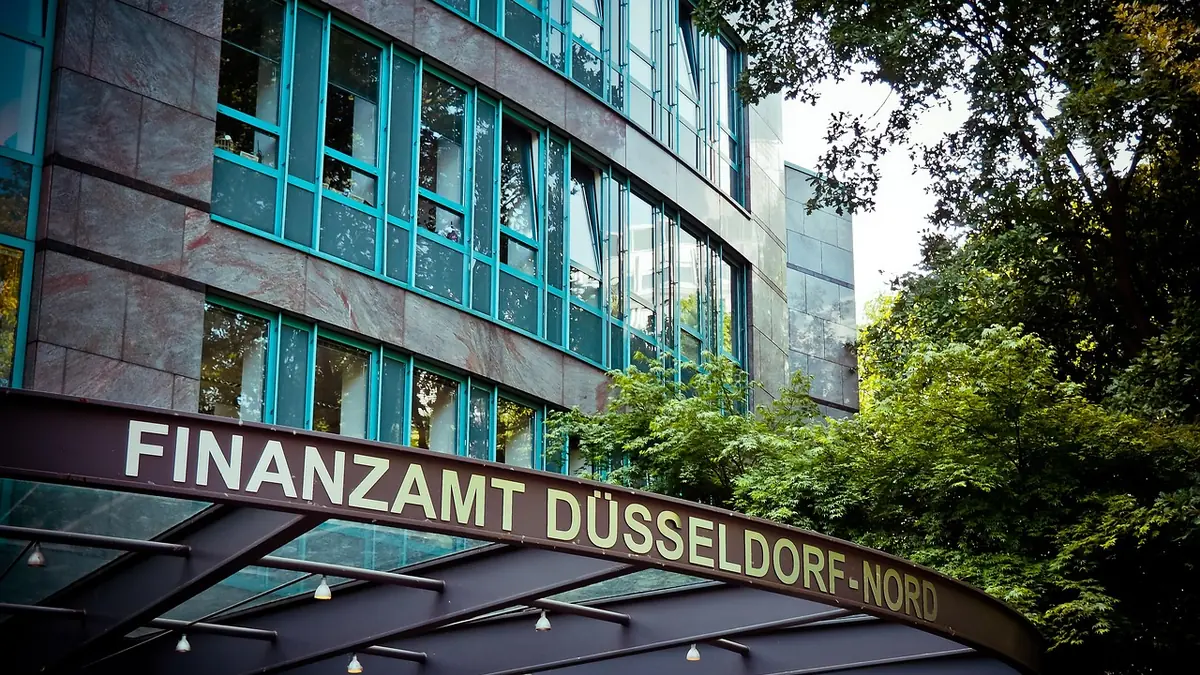
Complete guide to cantonal and municipal taxes in the canton of Basel-Country: rates, allowable deductions, reporting deadlines and online tax portal.
Context
TL;DR
- 3-tier tax system: federal (IFD) + cantonal + municipal
- Progressive rates on taxable income brackets
- Annual declaration within cantonal deadlines; online portal available
- Municipalities apply multiplier on their own cantonal basis
Key facts
- What: Taxation on income, wealth and capital in the canton
- Where: Canton of Basel-Landschaft (North-West Switzerland)
- Who: Residents and people with income from a cantonal source
- Levels: Federal (IFD) + cantonal + municipal
- Deductions: Professional expenses, AVS/BVG contributions, KVG premiums according to federal law
3-tier tax structure in the canton of Basel-Landschaft
The tax system of the Canton of Basel-Landschaft is structured on three levels of taxation: the direct federal tax (IFD) paid to the Confederation and managed by the Federal Tax Administration (AFC), the cantonal tax administered by the regional tax office, and the municipal tax collected by the individual municipalities of the canton according to a fixed multiplier on the cantonal tax base. Each level applies progressive rates on the various brackets of taxable income, determined after the application of deductions permitted by federal legislation and specific cantonal provisions. Taxpayers resident in the canton are obliged to submit an annual tax return within the deadlines established by the cantonal administration, indicating income from employment and self-employment, capital gains, net wealth, and all permitted deductions such as professional expenses, payments to occupational pension schemes (AVS/LPP), KVG/KVG health insurance premiums.
Municipal multiplier on the cantonal basis
A central feature of the Swiss system is the application of a municipal multiplier (expressed as a percentage) on the cantonal tax base. While the cantonal tax is identical for all residents of the canton, the multiplier allows individual municipalities to adapt the local tax burden to their budgetary needs. This means that two taxpayers with the same income in the Canton of Basel-Landschaft will pay identical cantonal tax if resident in the same tax year, but potentially different municipal tax depending on the municipality of domicile. This system guarantees municipal fiscal autonomy while maintaining equity at the cantonal level.
Deductions permitted by federal and cantonal legislation
Although the canton manages cantonal and municipal taxation, deductions from taxable income follow the provisions of the federal law on direct taxation and cantonal specifications. Taxpayers can deduct documented professional expenses (for self-employed workers), mandatory contributions to AVS (old-age and disability insurance) and BVG (occupational pension provision), KVG/KVG health insurance premiums remaining after cantonal subsidies, interest on debts according to federal limitations, and donations to recognized institutions within a percentage of income. Each canton can provide for its own additional deductions, to which the cantonal administration refers in the forms and in the annual tax guide. Specific details on maximum amounts of deductions allowed in the Canton of Basel-Landschaft must be checked directly at the official tax portal of the canton or through the administrative offices.
Operational details
Practical implications for residents of the Canton of Basel-Country
Those who reside in the canton of Basel-Country and receive income from any source are subject to taxation at all three levels: federal, cantonal and municipal. The total annual tax burden therefore depends both on the cantonal rate set by regional legislation and on the multiplier applied by the municipality of residence. Taxpayers with the same income but residing in different municipalities of the canton of Basel-Country will pay different municipal taxes, sometimes to a significant extent. For this reason, it is useful to check the municipal multiplier of your municipality and calculate the total tax burden starting from the net tax base after all allowable deductions. A preliminary estimate before the declaration makes it possible to organise the payment and assess the effect of additional deductions (e.g. voluntary payments to the third pillar 3a) on the net tax due.
Differences between declaration of employees and independent workers
Employees have income taxed directly by the employer, who pays tax advances according to cantonal calendars (usually monthly or quarterly). The cantonal tax administration verifies the payment of advances and settles the differences at the end of the tax year. Self-employed persons and business owners must submit a complete declaration with accounting annexes and detailed administrative management,
Useful planning tools
To estimate your pension strategy, use the pension planner and the pillar 3 simulator.
Key points
Procedure step-by-step for the cantonal tax declaration
For those residing in the Canton Basel-Landschaft and required to submit the annual declaration, the process follows these concrete steps:
Phase 1: Collecting documentation — Gather pay slips received, bank statements, AVS/LPP payment receipts, professional expense justifications (if self-employed), LAMal/KVG premium payment attestations during the year, documentation of donations to recognized institutions, bank account statements and investment records if subject to wealth taxation.
Phase 2: Authentication on the online portal — Reach the official website of the cantonal tax administration and authenticate with personal credentials (federal social insurance number + password, or digital signature via Swiss e-banking). The portal is available in German and French; informative texts, downloadable forms, and guides are available in Italian at the counters or upon request.
Phase 3: Filling out the declaration — Enter gross income, deduct documented expenses, indicate AVS/LPP payments made, LAMal premiums paid, and other allowed deductions. The system automatically calculates the cantonal and communal tax based on the net taxable income and applicable legislation.
Phase 4: Attaching justifications — Digitally upload required documents (pay slips, receipts, bank statements) within the file size limit set by the portal.
Phase 5: Submission and confirmation — Submit the digitally signed declaration. The portal generates a receipt with the date and time of submission; a copy remains archived in the personal account.
Phase 6: Monitoring the status — Periodically access the portal to verify the evaluation status and receive communication of the result (tax due, refund, or zero payment).
Terms of delivery and administrative contacts
The ordinary deadline for submitting the cantonal declaration is typically set between April and May of the following year of income; exact deadlines are communicated by the cantonal tax administration in documents sent to the taxpayer and visible on the official online portal. Extensions are granted upon motivated request submitted within the set terms. For clarifications on specific cantonal tax rates, allowed deductions in the canton, technical issues with accessing the portal, or other administrative matters, it is possible to contact the cantonal administration's counters in the detached capitals, the dedicated phone number for tax support (retrievable from the official website), or the email service of the tax office for non-urgent communications.
Fiscal planning tools and tax estimates
Many taxpayers use online calculators provided by federal entities (AFC) or the canton itself, where they can enter gross income and receive an accurate estimate of the total tax due (federal + cantonal + communal). This tool allows them to evaluate the concrete effect of additional deductions (third pillar 3a voluntary payments to a third-party pillar, professional pension contributions) on the net tax due and plan in advance for payment. Conscious fiscal planning enables taxpayers to avoid end-of-year surprises and identify legitimate opportunities for reducing their tax burden in compliance with federal and cantonal legislation.
Official sources: Switzerland–Italy tax agreement (Fedlex)
Frequently Asked Questions
- What are the three tax levels in Switzerland and how do they apply in the Canton of Basel-Country?
- In Switzerland, each taxpayer pays taxes at three levels: direct federal tax (DFI) managed by the Confederation and the AFC, cantonal tax administered by the Basel-Country Canton, and municipal tax applied by the municipality of residence with multiplier on the cantonal basis. This system ensures fairness and allows municipalities to adapt the tax burden to their budgetary needs. All three tiers apply progressive rates on taxable income brackets after allowable deductions.
- Can I deduct the pension contributions (AHV/BVG) from the cantonal tax return?
- Yes. Contributions paid to AVS (old-age and disability insurance) and LPP (occupational pension) are fully deductible from taxable income according to federal law and canton-specific provisions. Residual LAMal/KVG health insurance premiums after cantonal subsidies are also allowed as a deduction. Receipts and supporting documents must be attached and kept for administrative verification.
- When do I need to file a tax return in the canton of Basel-Country?
- The ordinary deadline for filing the cantonal return is normally set between April and May of the year following the income period. The exact deadlines are communicated by the cantonal tax administration on the documents sent to the taxpayer and are visible on the official online portal. Extensions may be requested for documented reasons within specific deadlines communicated by the canton.
- What is the difference between cantonal rate and municipal multiplier?
- The cantonal rate is set by the legislation of the canton of Basel-Country and is identical for all residents of the canton. The municipal multiplier is an additional percentage applied by the individual city or municipality of residence, calculated on the cantonal tax base. Two residents with the same income will pay identical cantonal tax if in the same tax year, but different municipal tax if they reside in different municipalities due to different multipliers.
- Where can I find the online portal and how to access it to send the declaration?
- The portal of the tax administration of the canton of Basel-Country is accessible from the official website of the canton. You will authenticate with personal credentials (federal insured number + password, or digital signature via Swiss e-banking). Technical support is available by telephone at the cantonal branches located in the capitals or by email from the tax office for access problems or assistance in filling out the declaration.